
Soft Glow Makeover
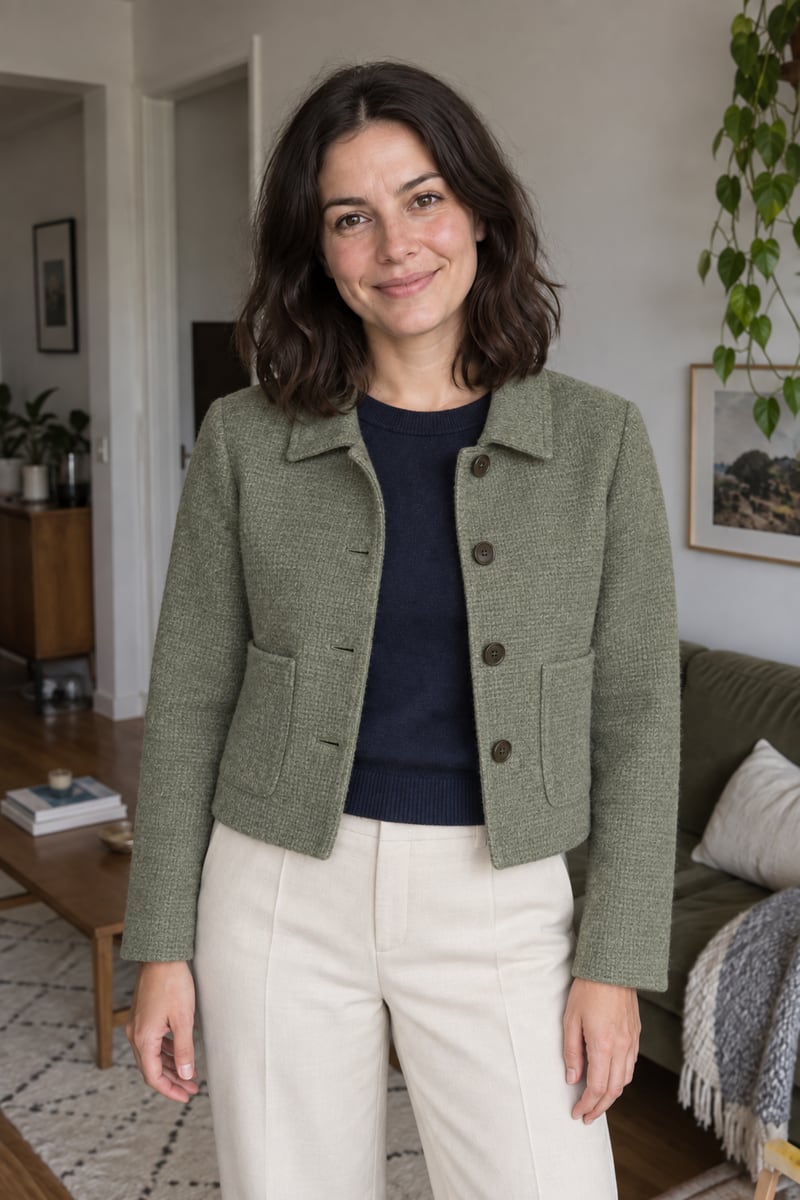
Soft and effortless, for relaxed days and casual catch-ups.
View original photo

Find your starting point
Browse examples before you create. Choose a photo style or a practical document layout, then bring your own input.
Browsing these guides is free. Personalized generation uses the price shown in the linked tool.
Choose a style, then upload your photo. Your choice is already selected when you arrive.
66 styles · Choose a look to start with your photo.
Soft and effortless, for relaxed days and casual catch-ups.
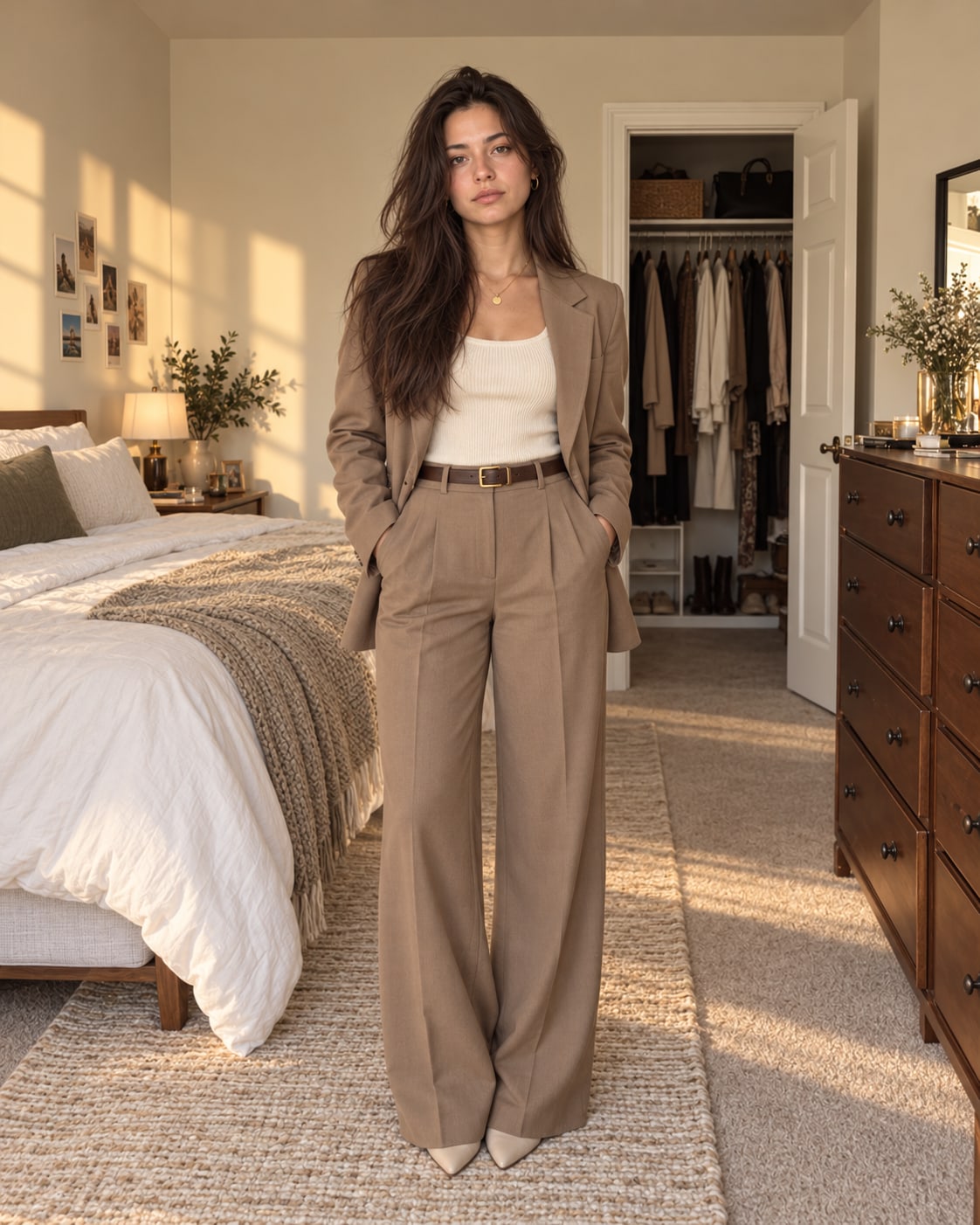
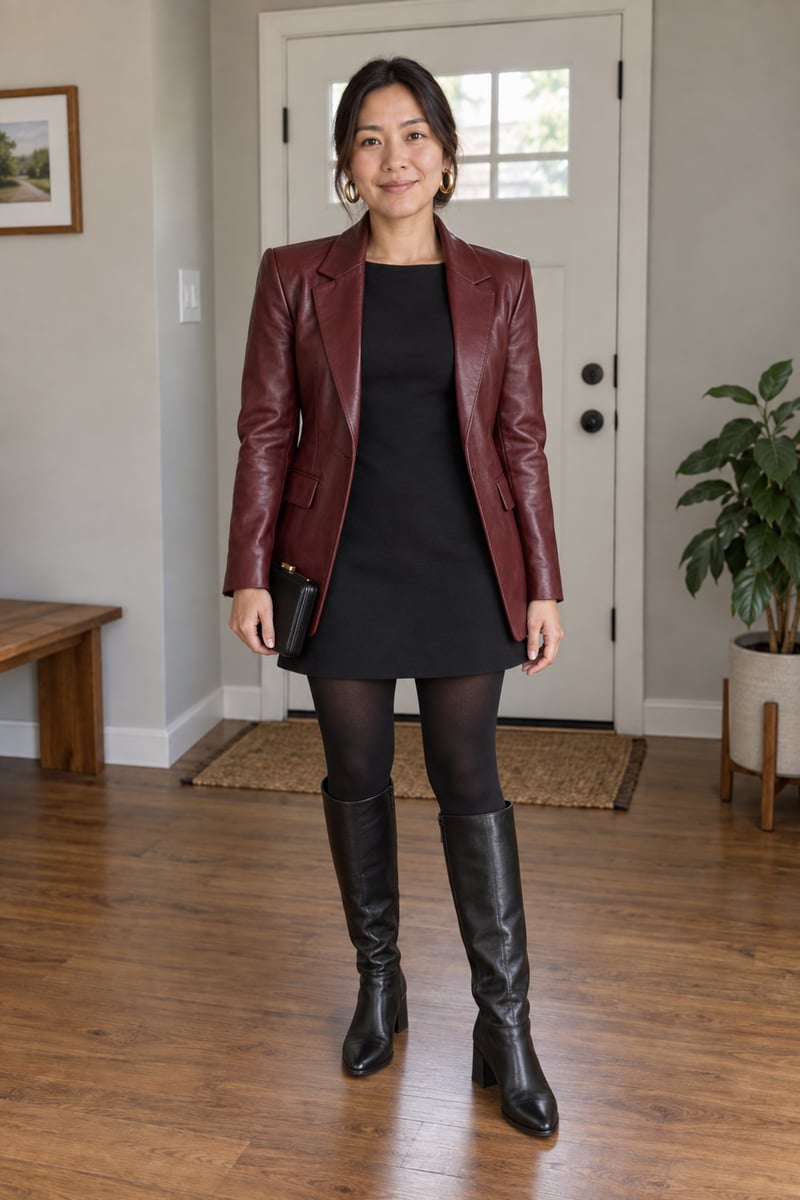
Modern elegance for city outings, dinner dates and a polished everyday look.
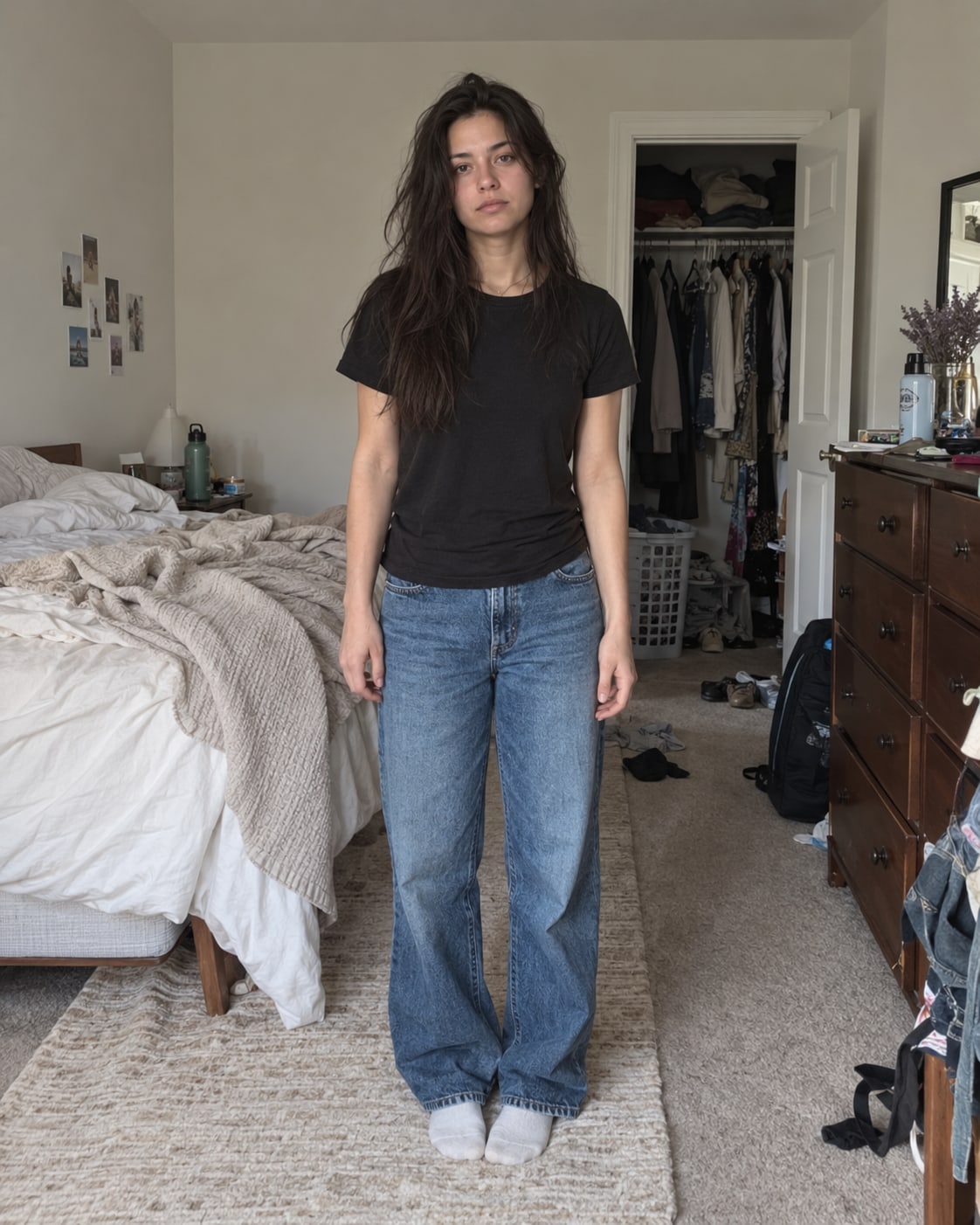

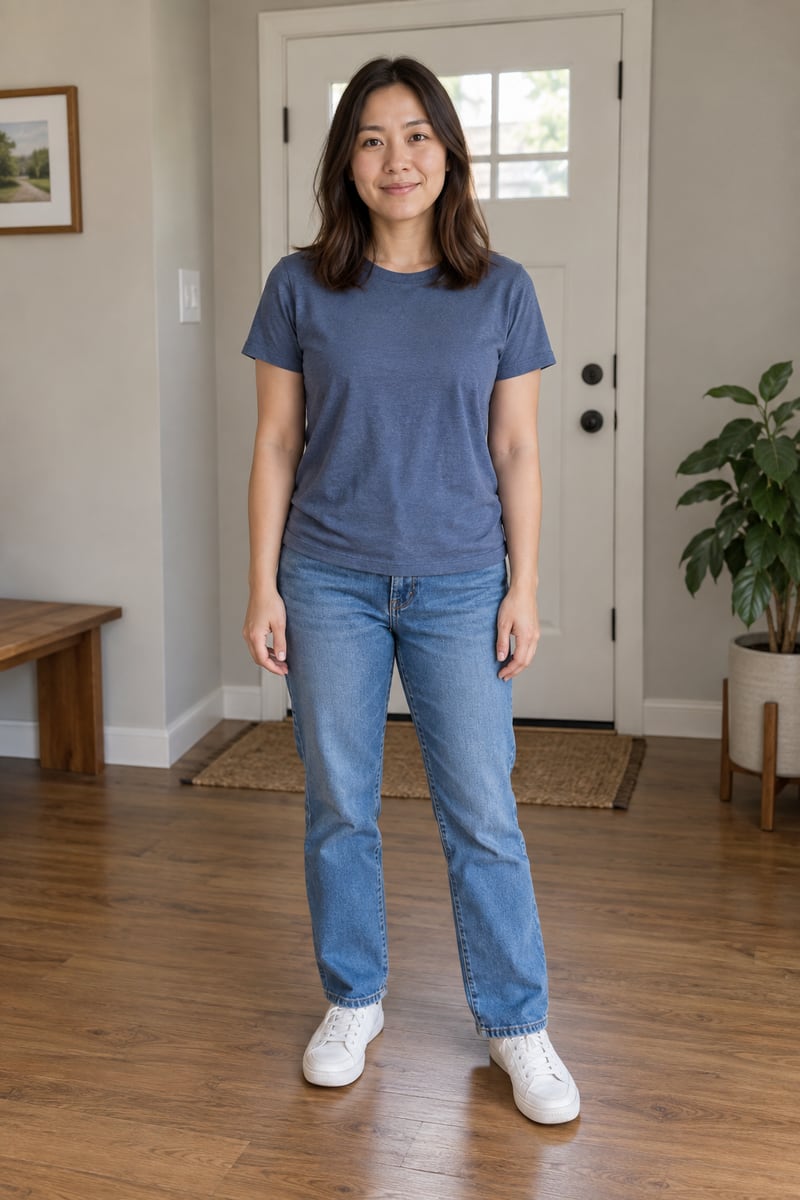
Relaxed with a mature edge, for everyday outings and weekend get-togethers.


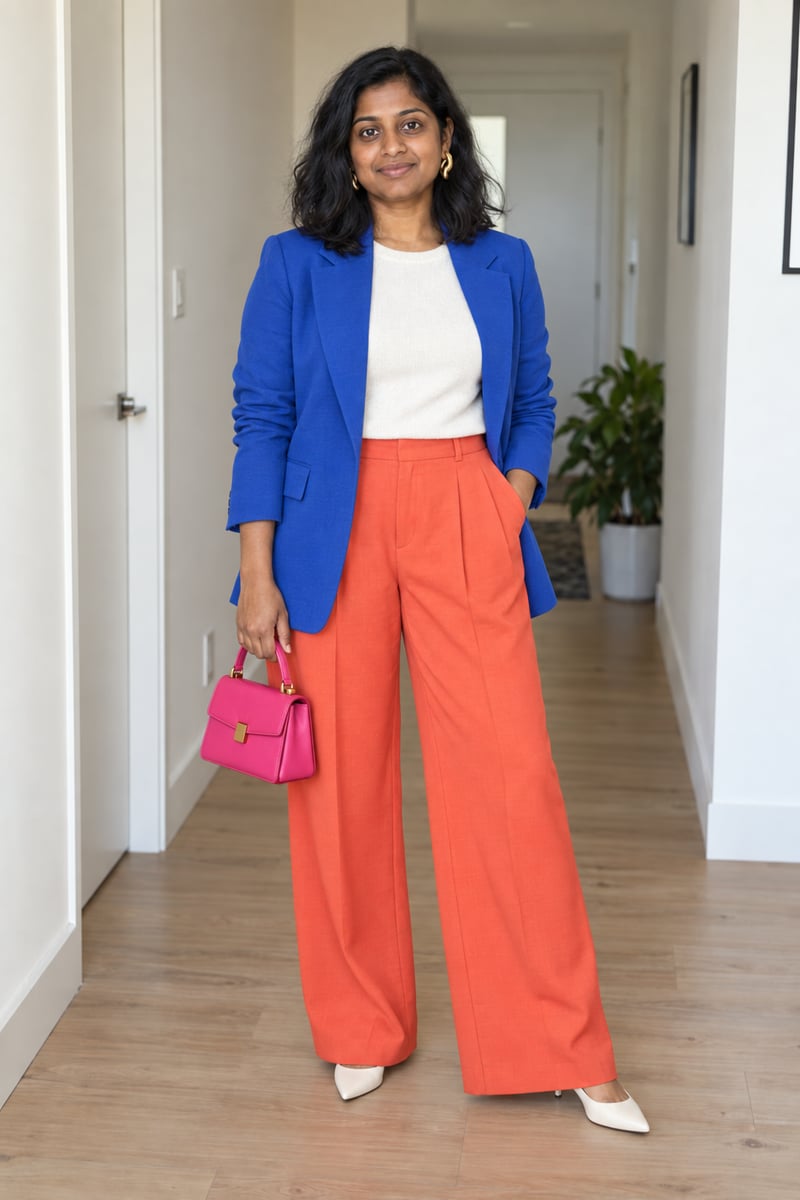
Clean and versatile, moving easily from a casual workday to after-work plans.

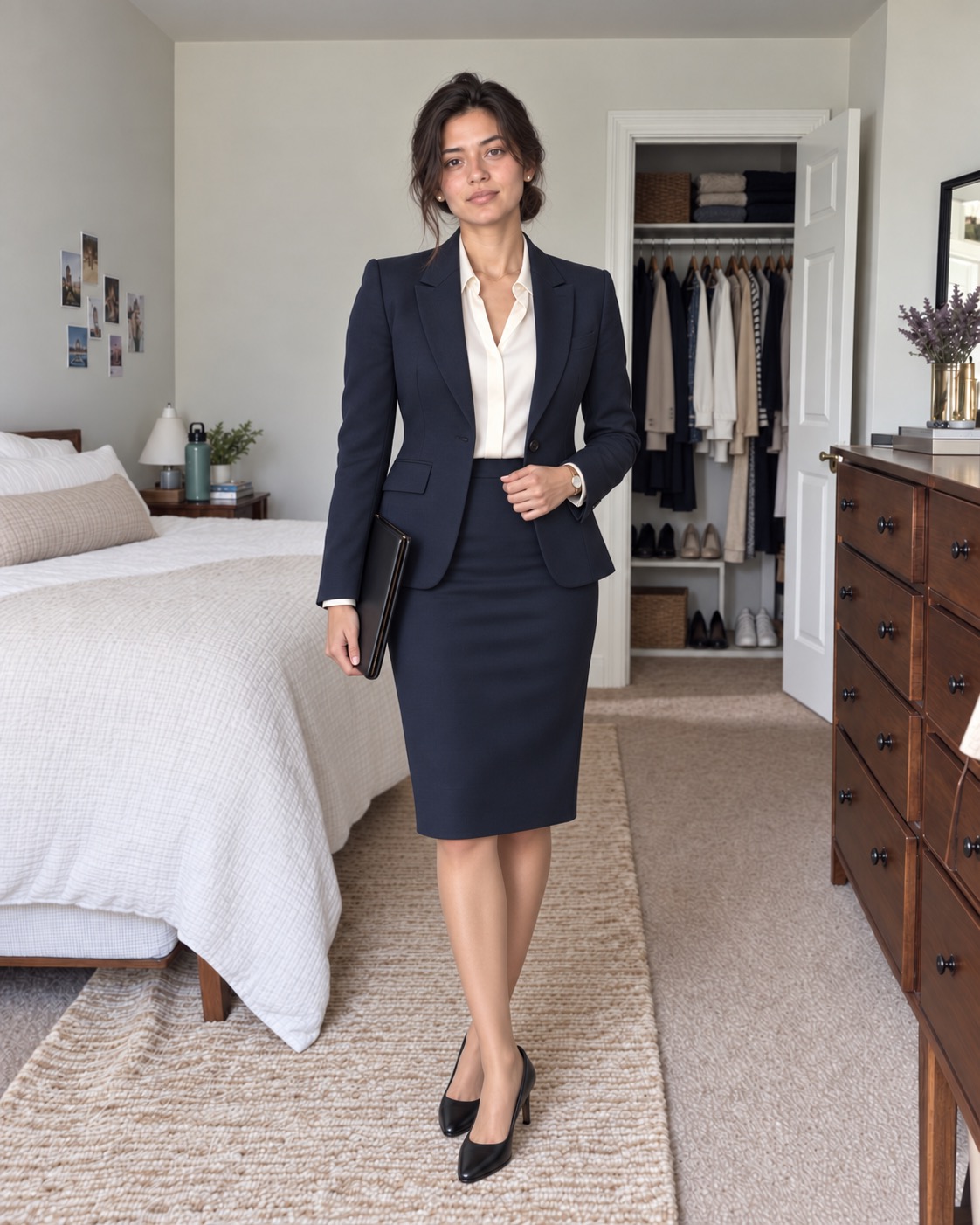
Confident and elegant, for the office, important meetings and professional occasions.
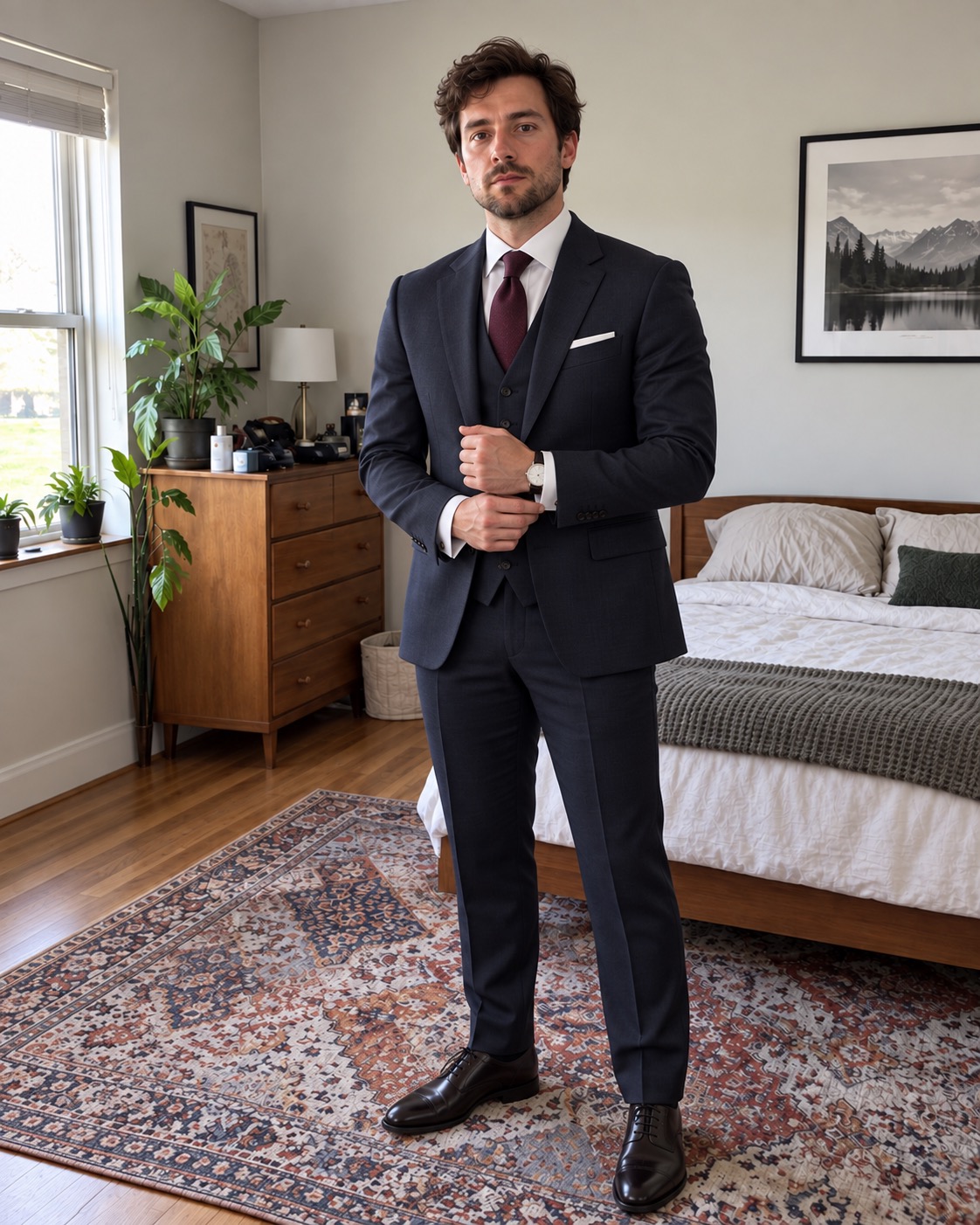
A composed, professional presence for business meetings and formal occasions.
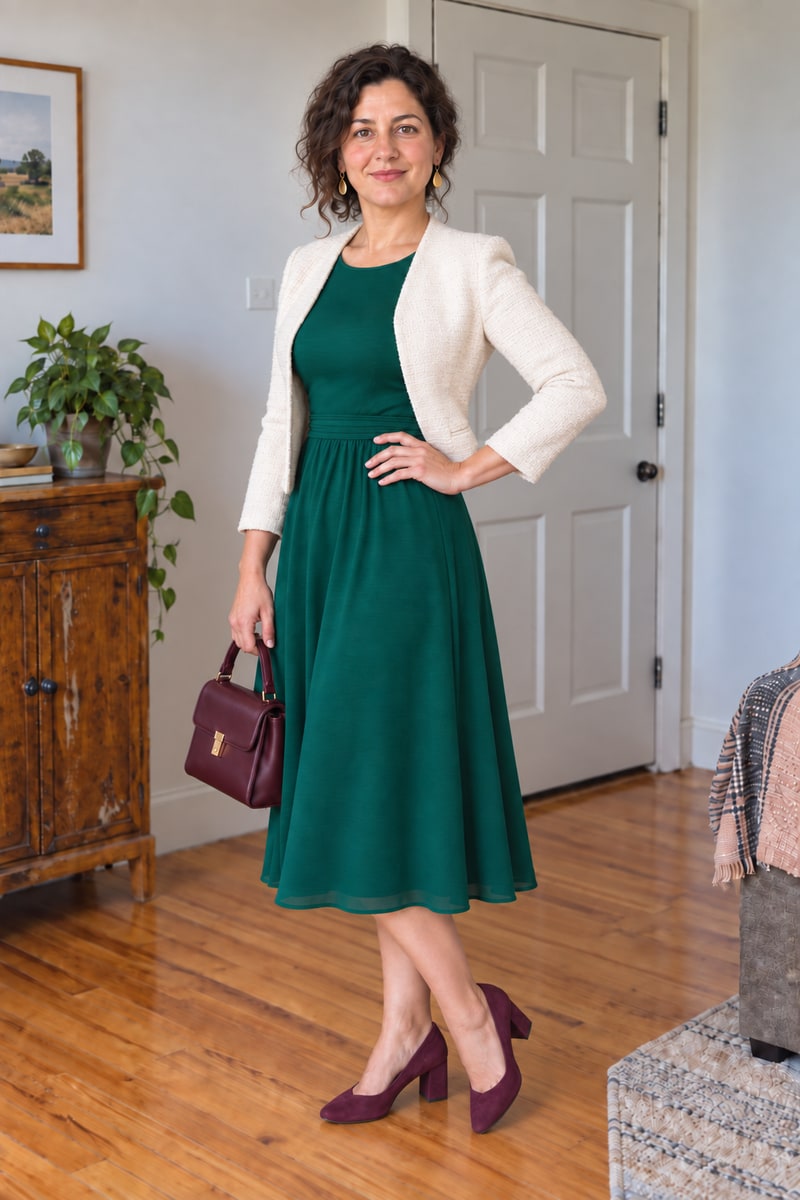
Explore this look for your next occasion and see how it feels on you.
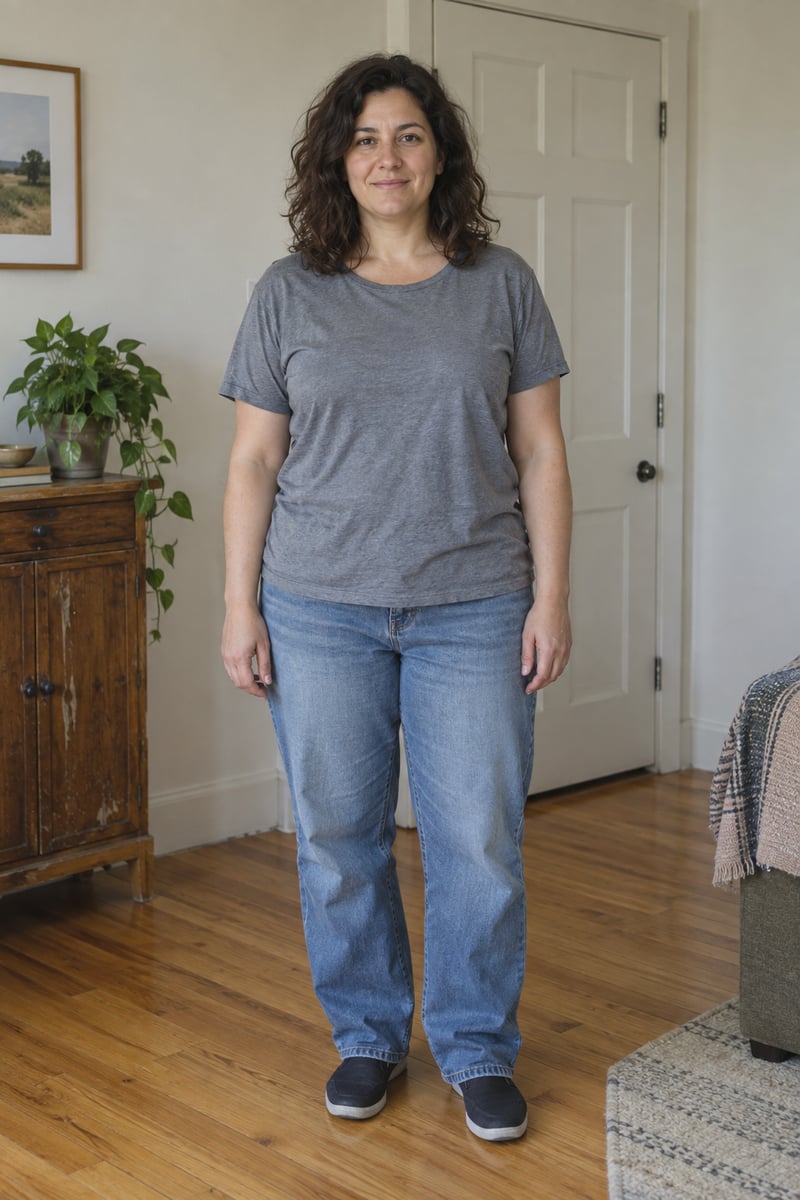
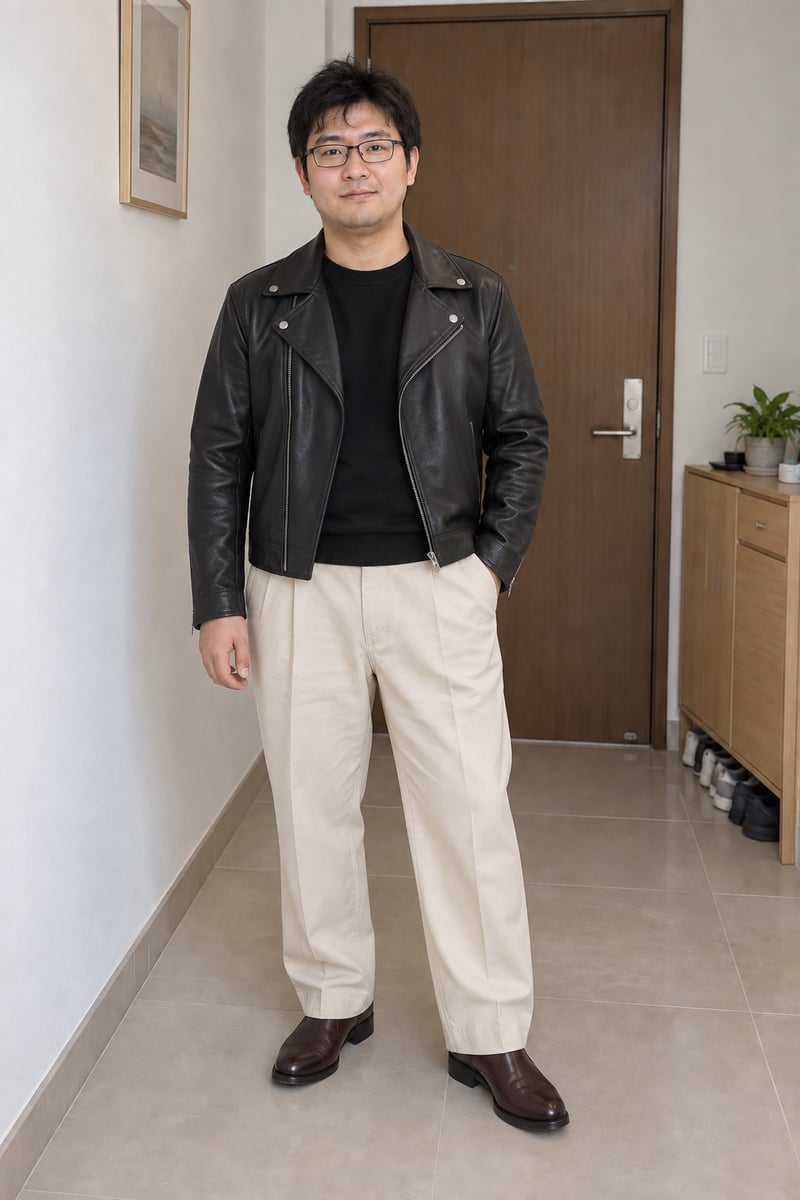
Explore this look for your next occasion and see how it feels on you.
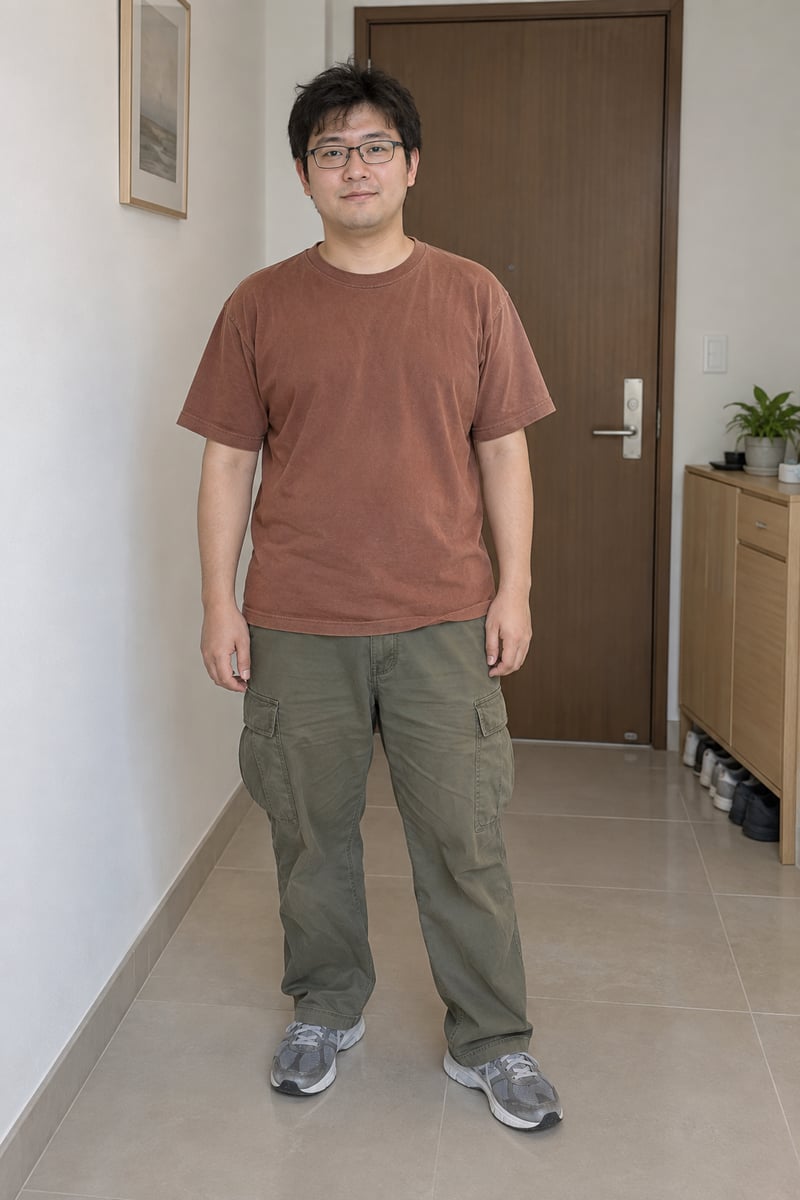

Explore this look for your next occasion and see how it feels on you.


Explore this look for your next occasion and see how it feels on you.

Explore this look for your next occasion and see how it feels on you.
Explore this look for your next occasion and see how it feels on you.

Explore this look for your next occasion and see how it feels on you.

Explore this look for your next occasion and see how it feels on you.

Explore this look for your next occasion and see how it feels on you.

Explore this look for your next occasion and see how it feels on you.

Explore this look for your next occasion and see how it feels on you.


Explore this look for your next occasion and see how it feels on you.

Explore this look for your next occasion and see how it feels on you.

Explore this look for your next occasion and see how it feels on you.
Explore this look for your next occasion and see how it feels on you.
Explore this look for your next occasion and see how it feels on you.
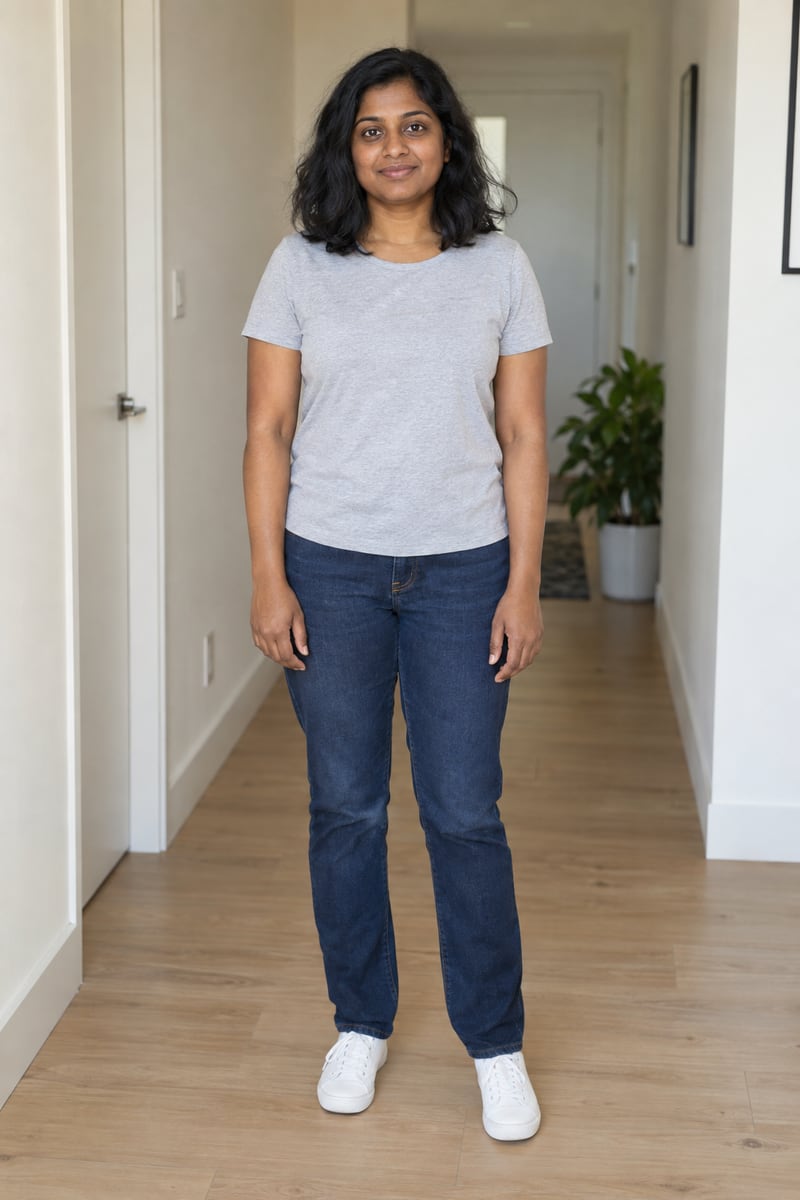

Explore this look for your next occasion and see how it feels on you.
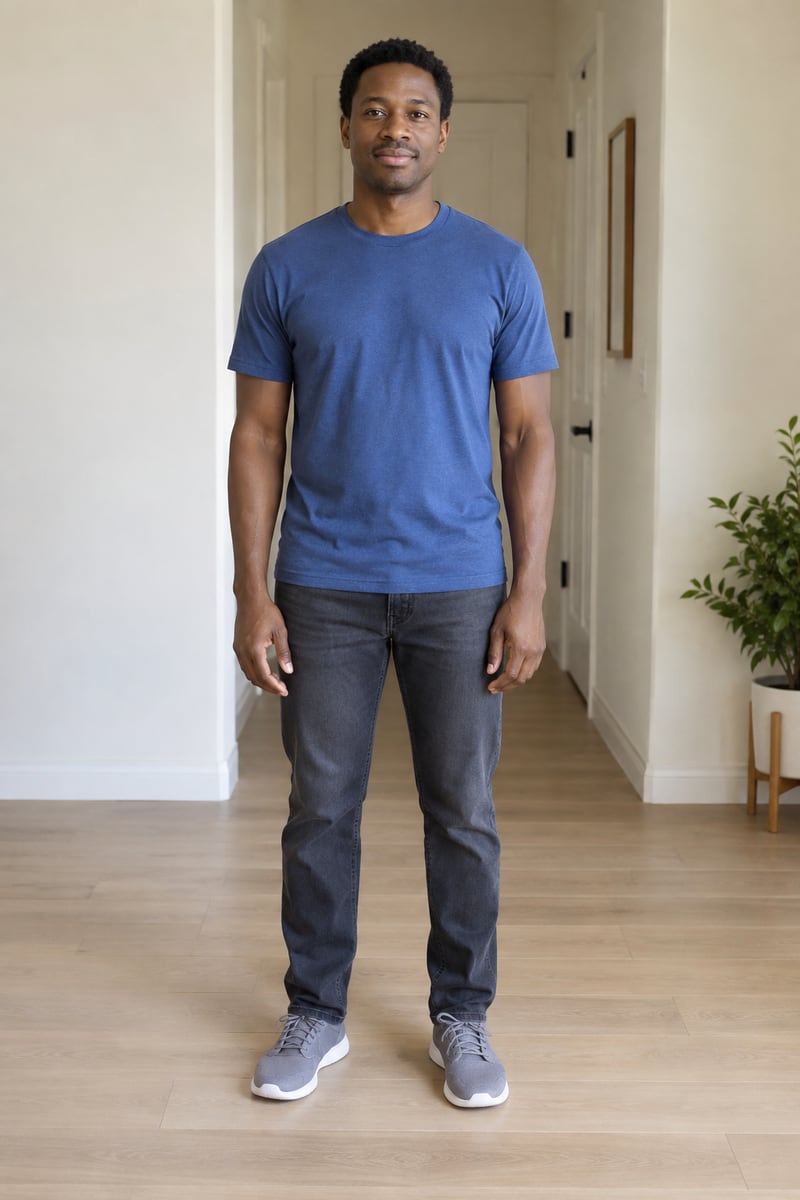
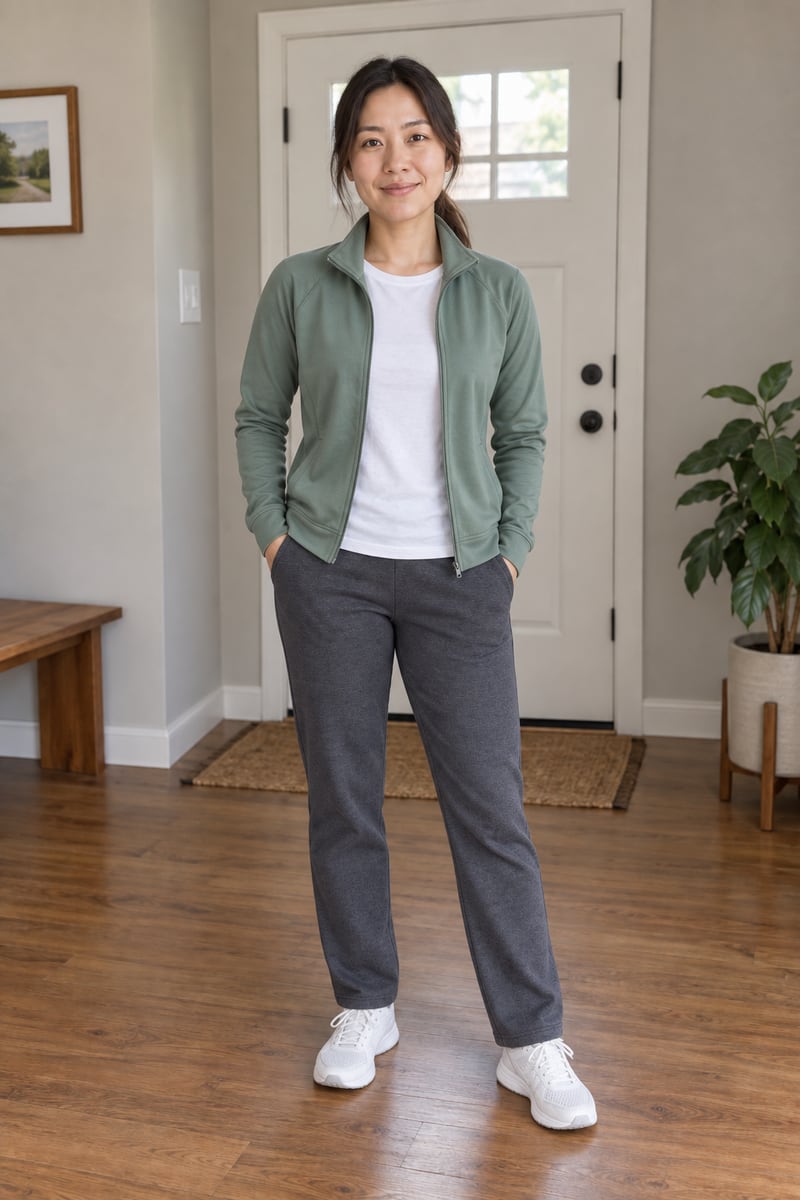
Explore this look for your next occasion and see how it feels on you.
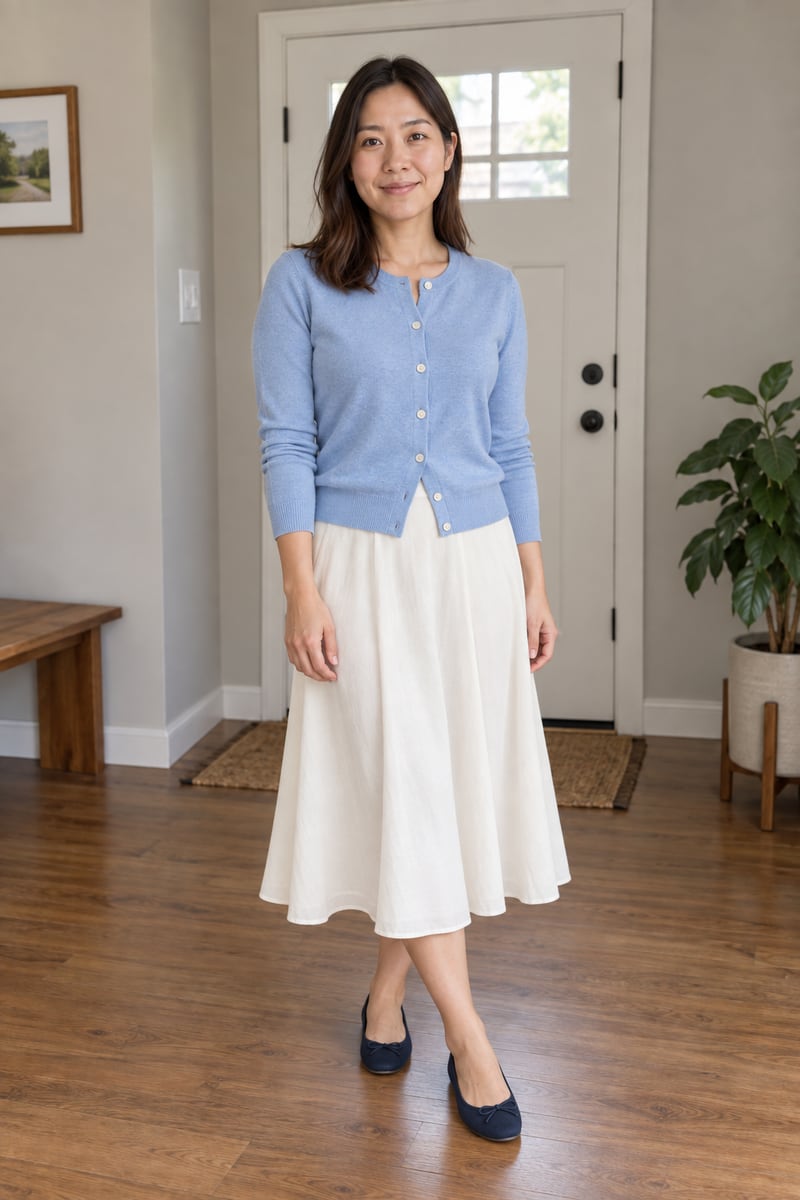
Explore this look for your next occasion and see how it feels on you.
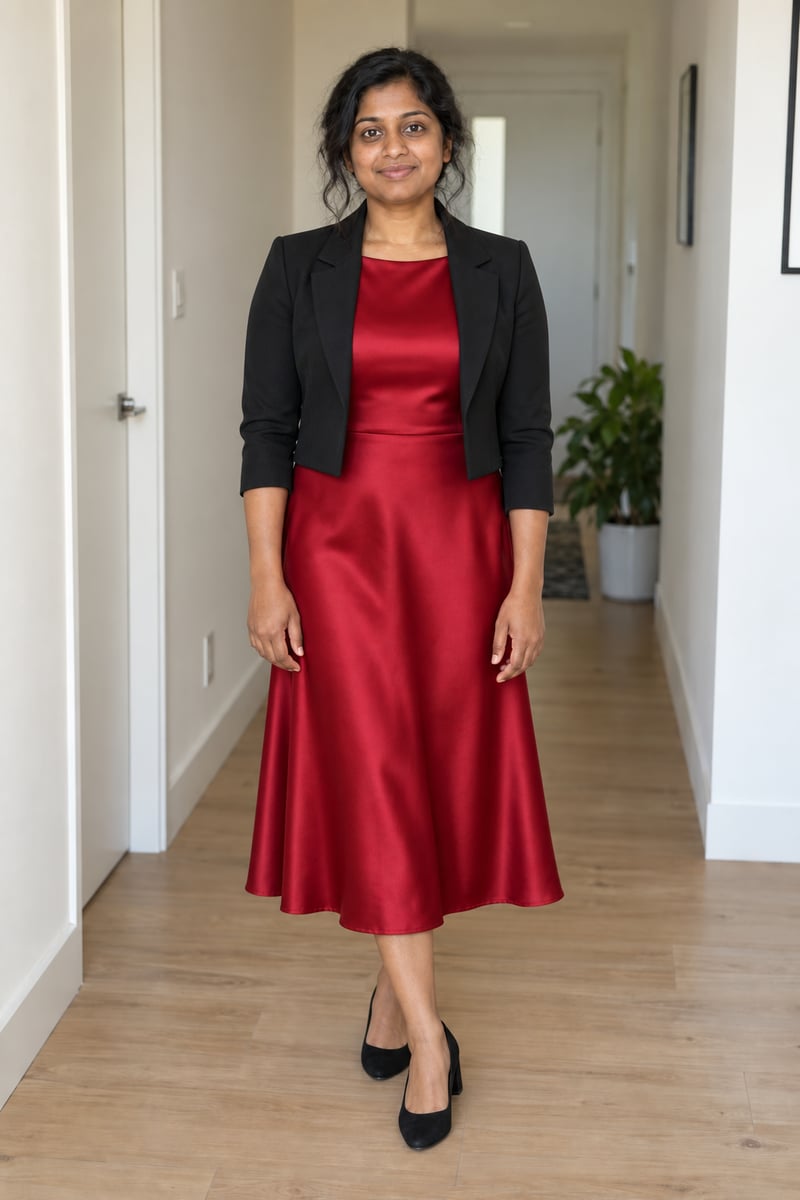
Explore this look for your next occasion and see how it feels on you.

Explore this look for your next occasion and see how it feels on you.
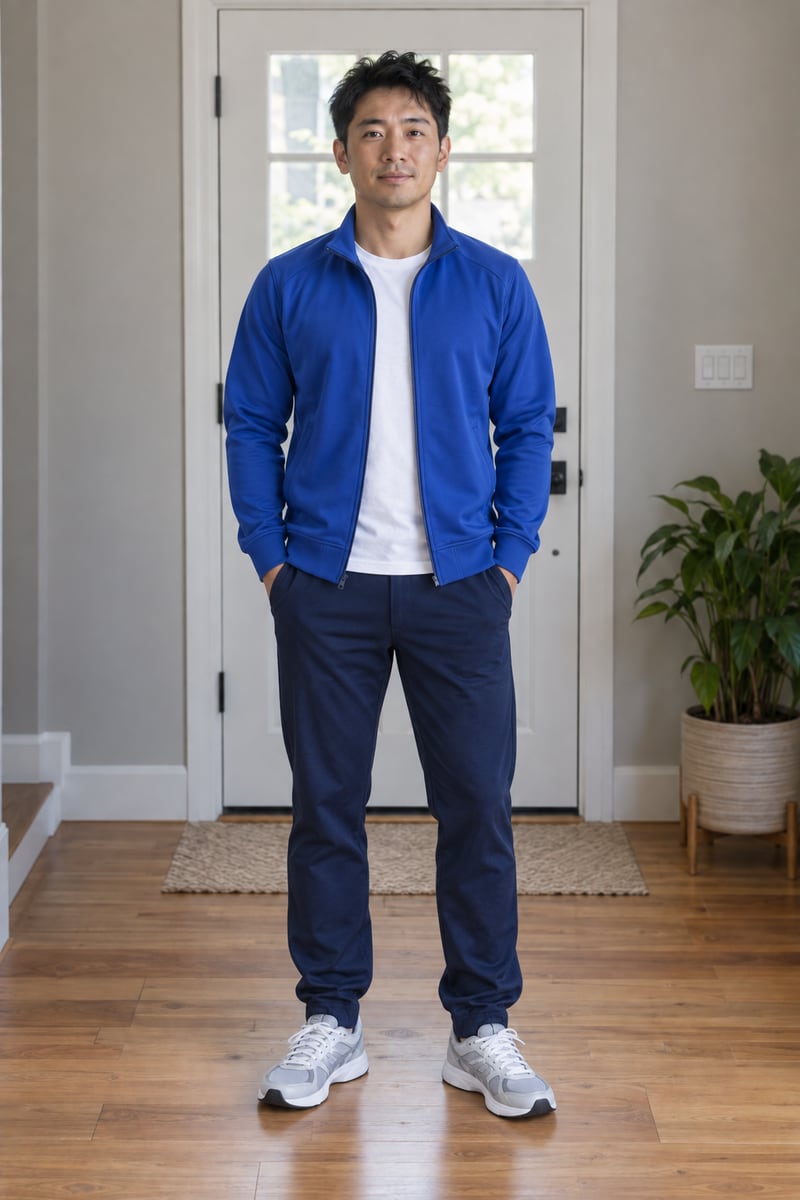
Explore this look for your next occasion and see how it feels on you.
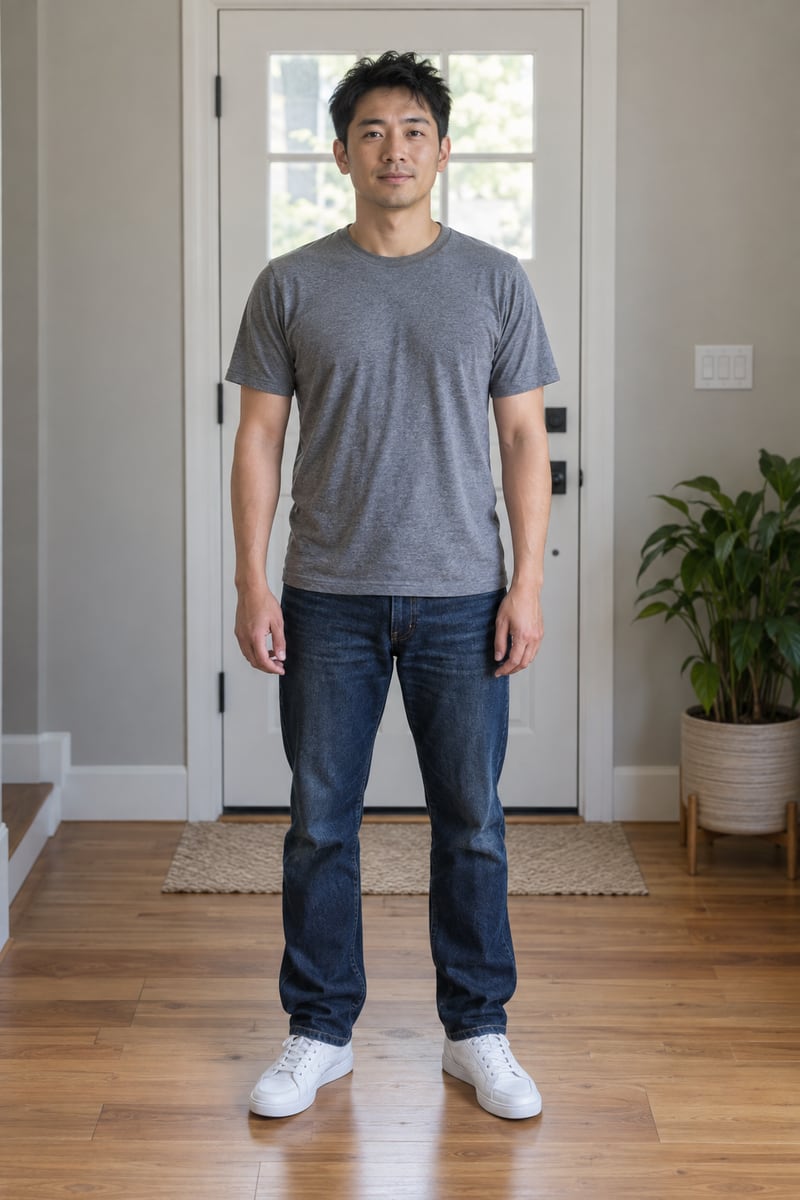
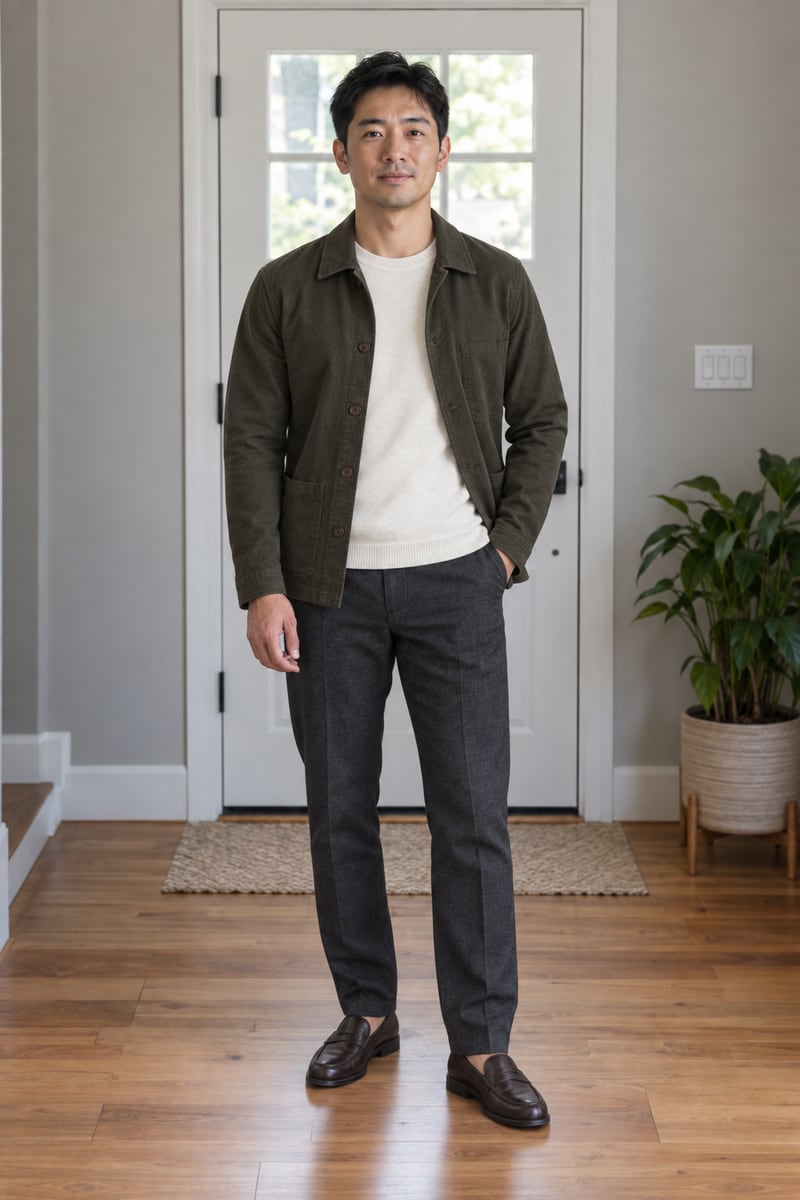
Explore this look for your next occasion and see how it feels on you.

Explore this look for your next occasion and see how it feels on you.
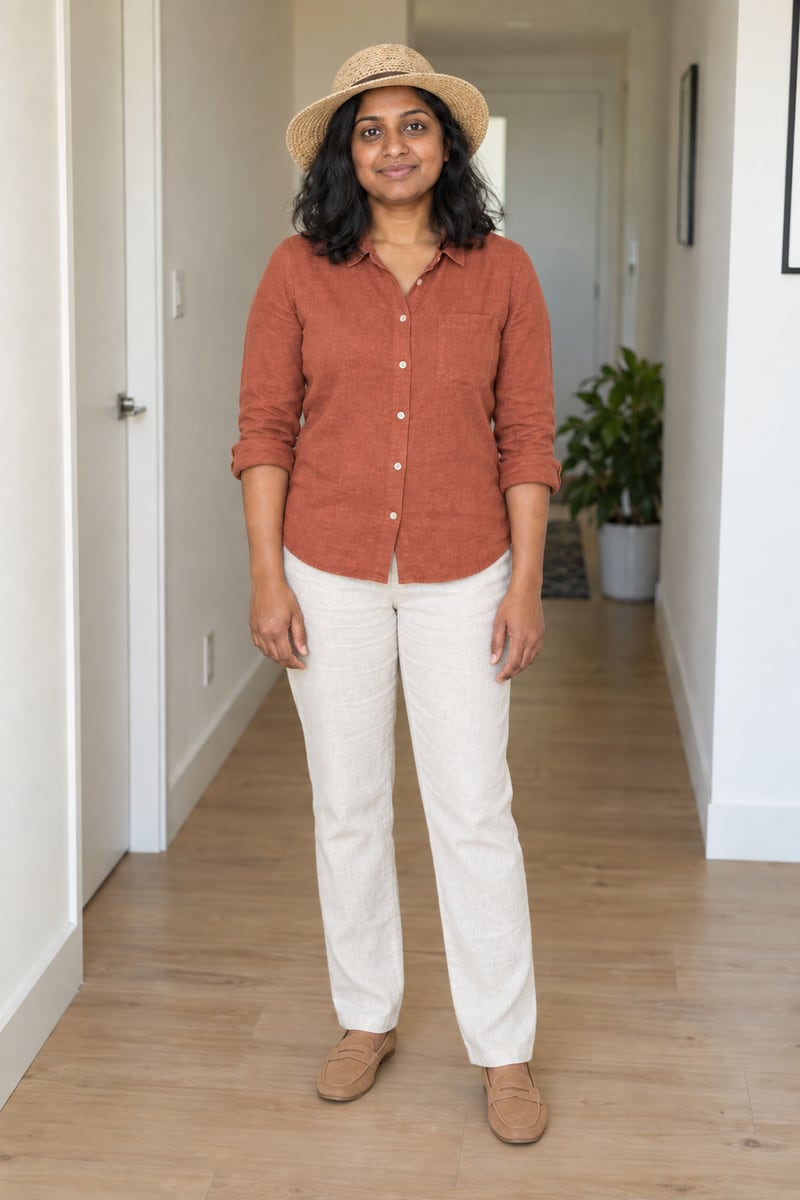
Explore this look for your next occasion and see how it feels on you.

Explore this look for your next occasion and see how it feels on you.

Explore this look for your next occasion and see how it feels on you.
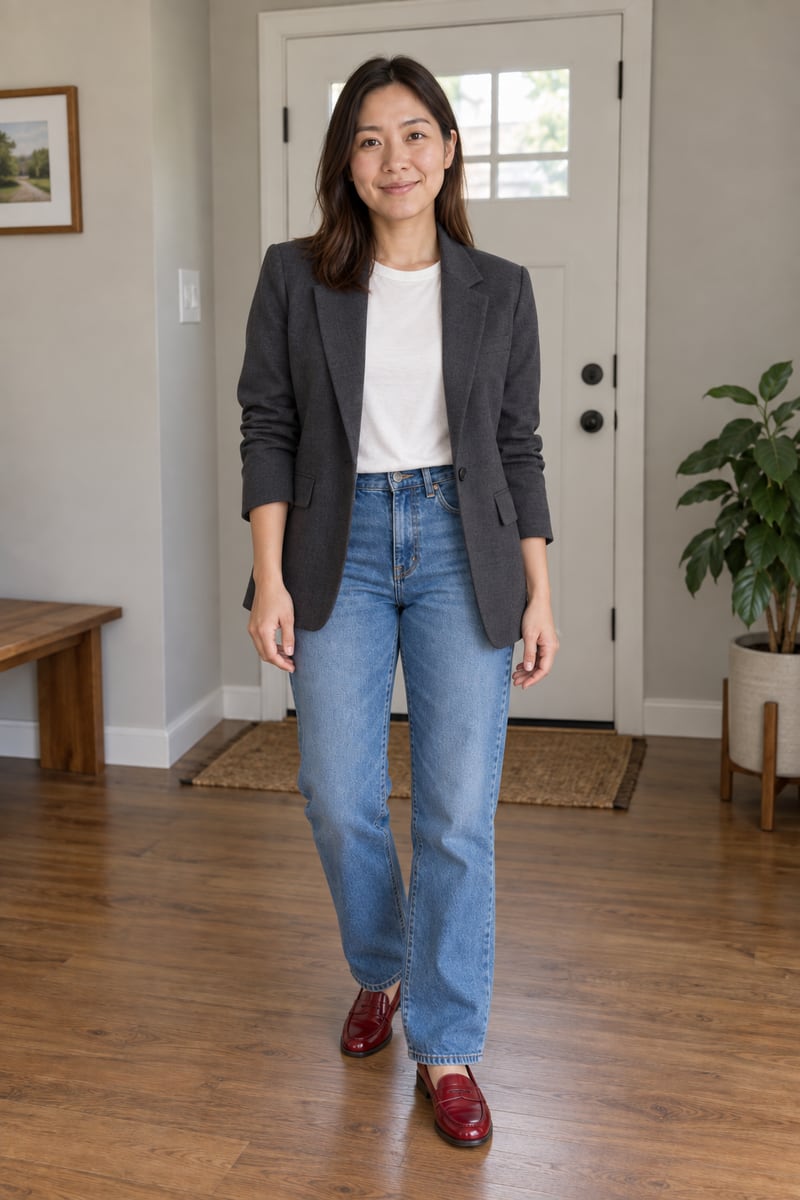
Explore this look for your next occasion and see how it feels on you.
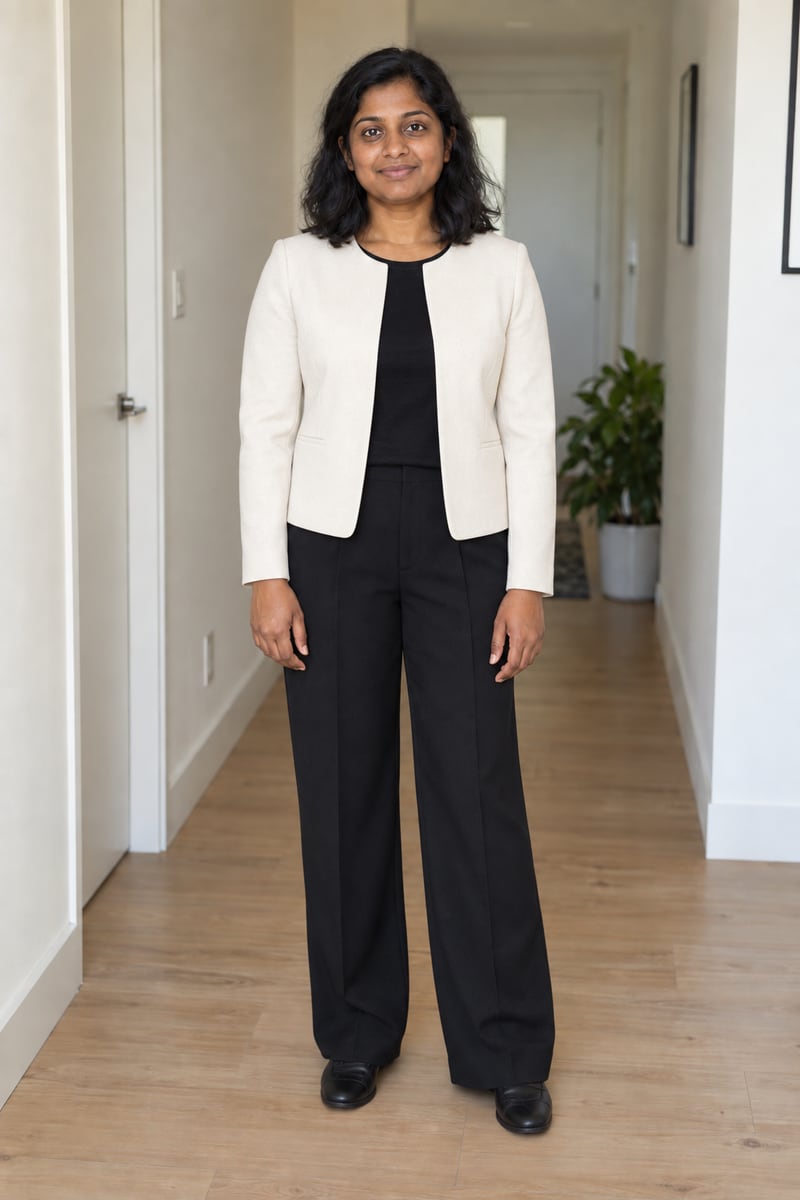
Explore this look for your next occasion and see how it feels on you.
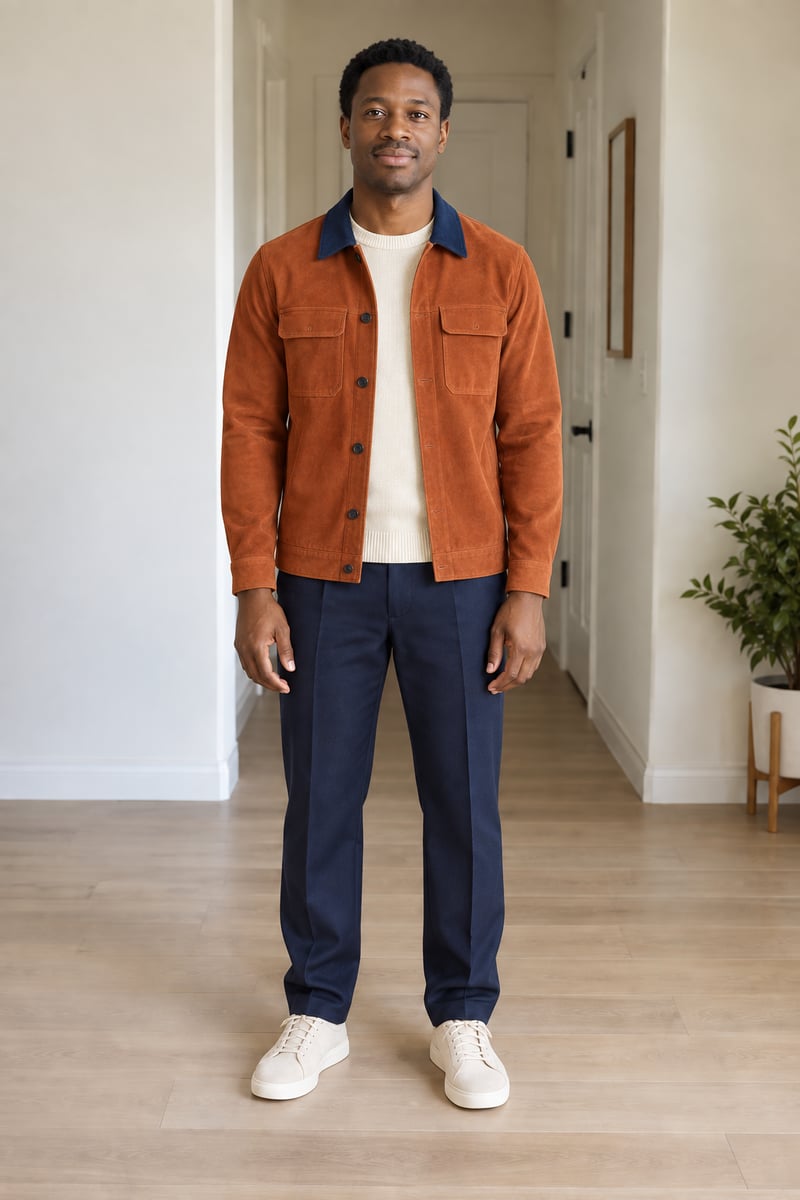
Explore this look for your next occasion and see how it feels on you.
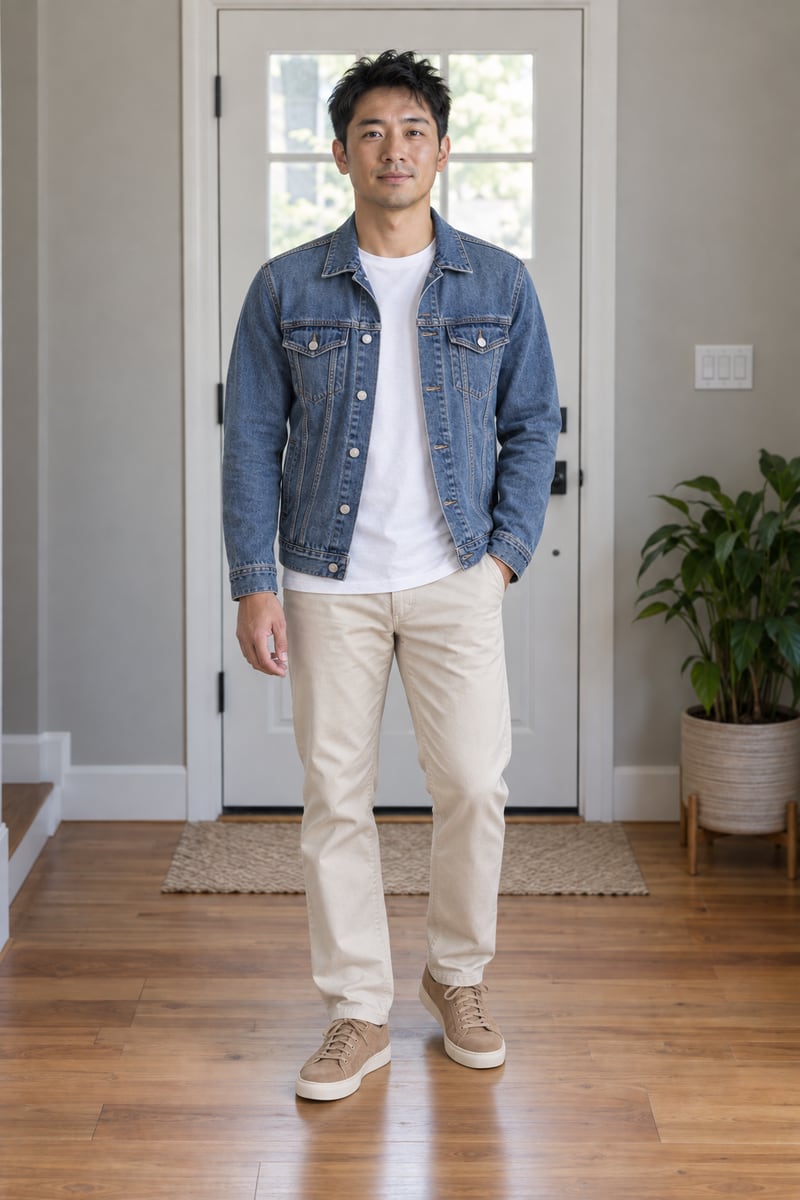
Explore this look for your next occasion and see how it feels on you.
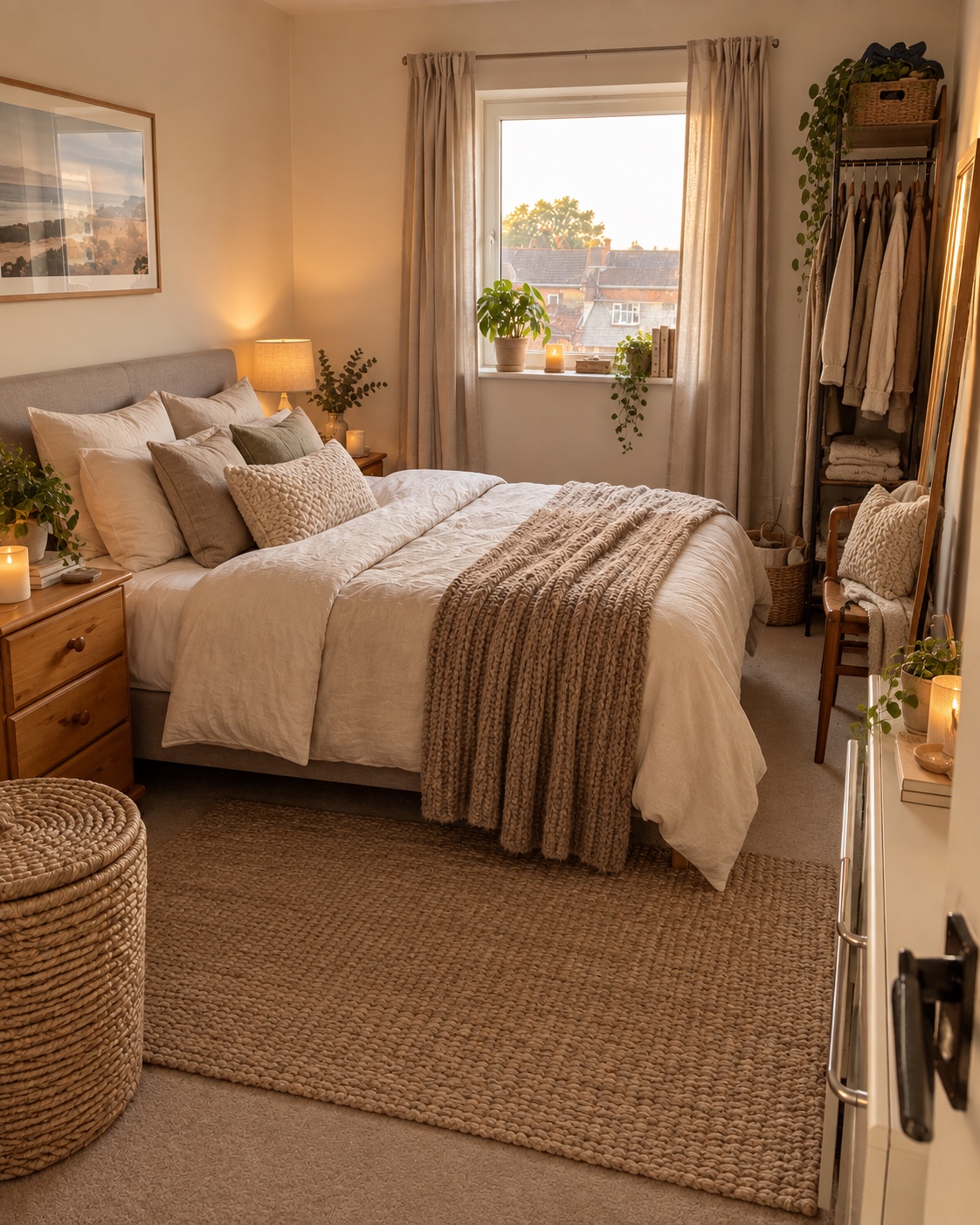
A welcoming, cozy bedroom for unwinding at the end of the day.
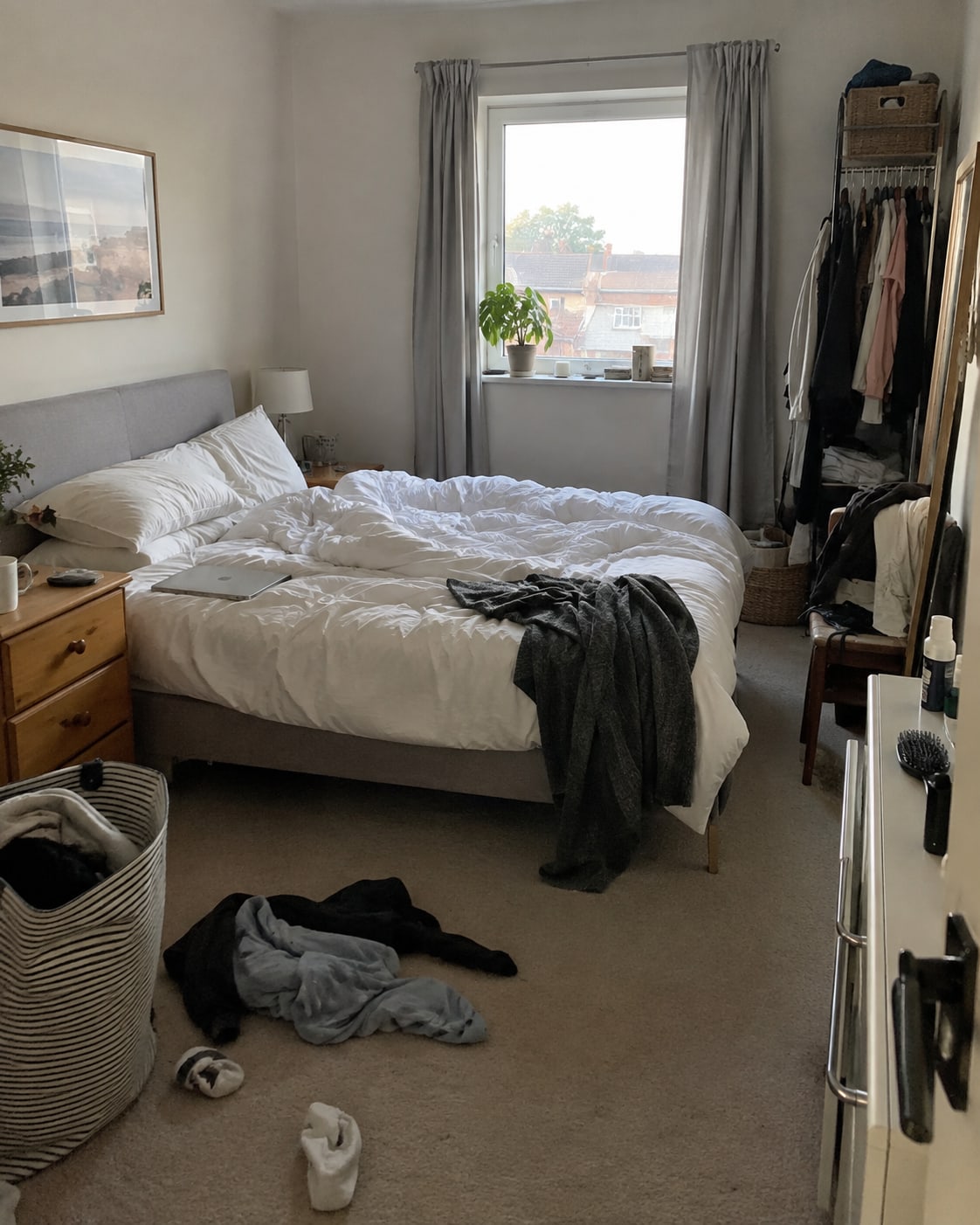
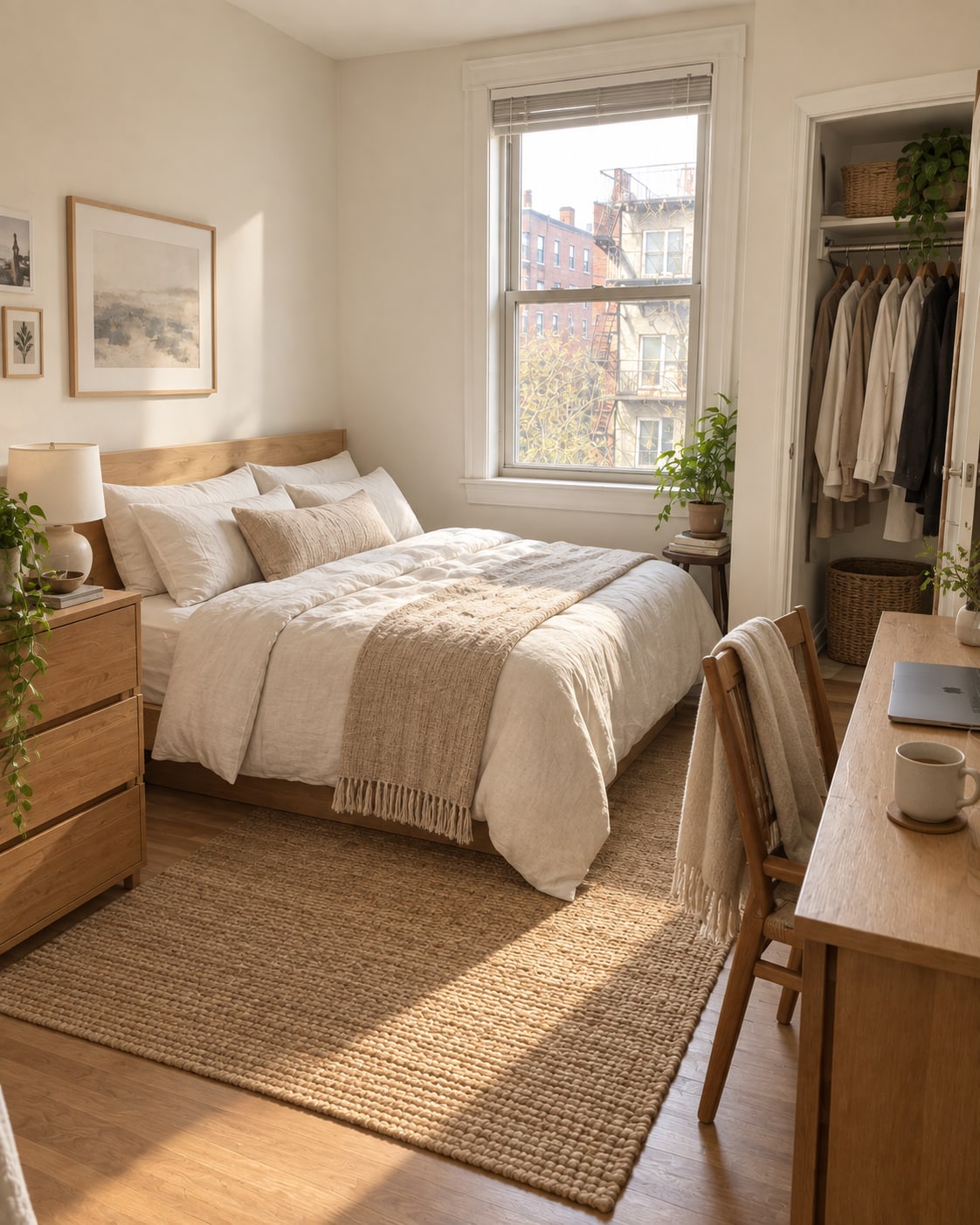
Quiet simplicity for a small bedroom that feels calm and comfortable.
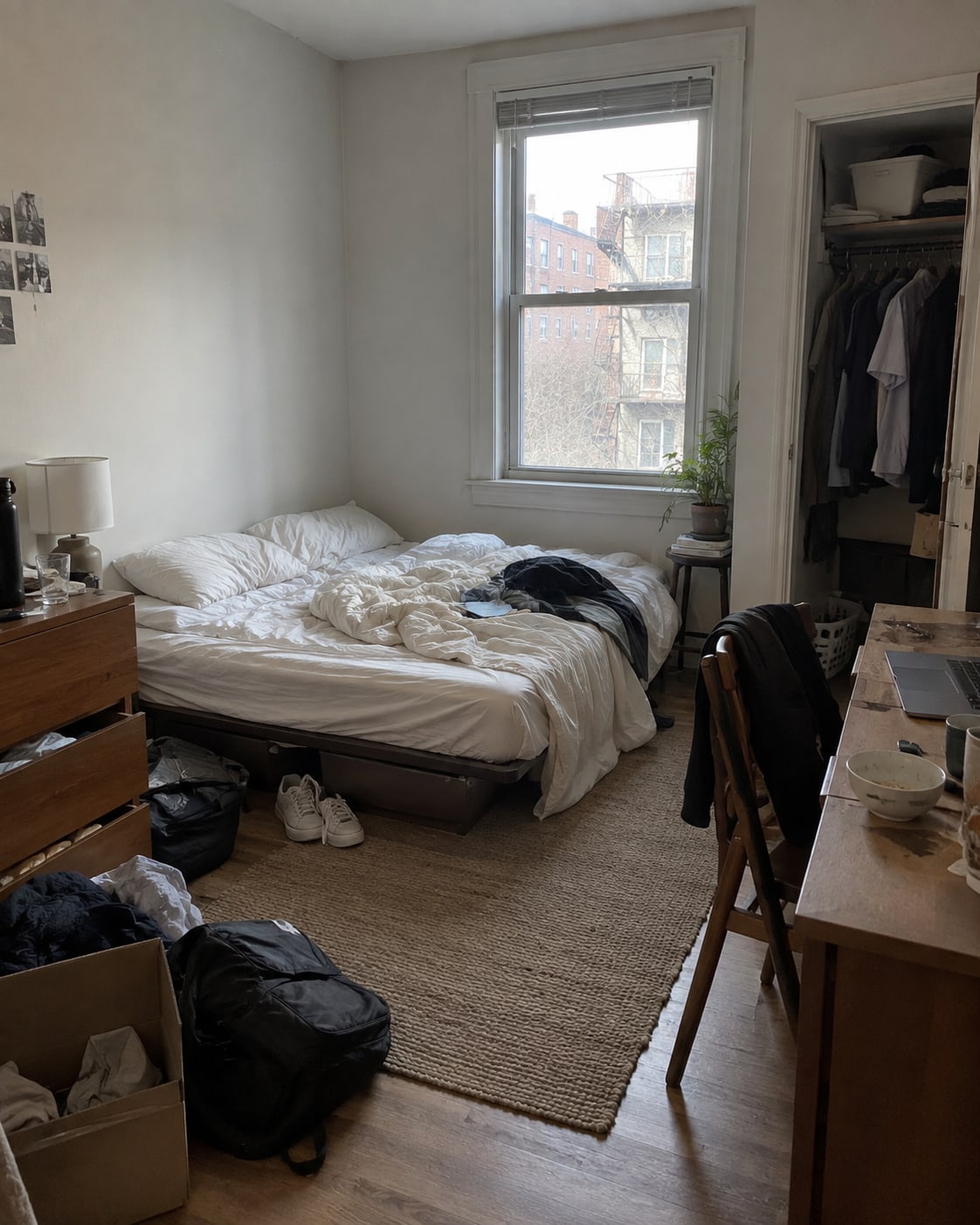
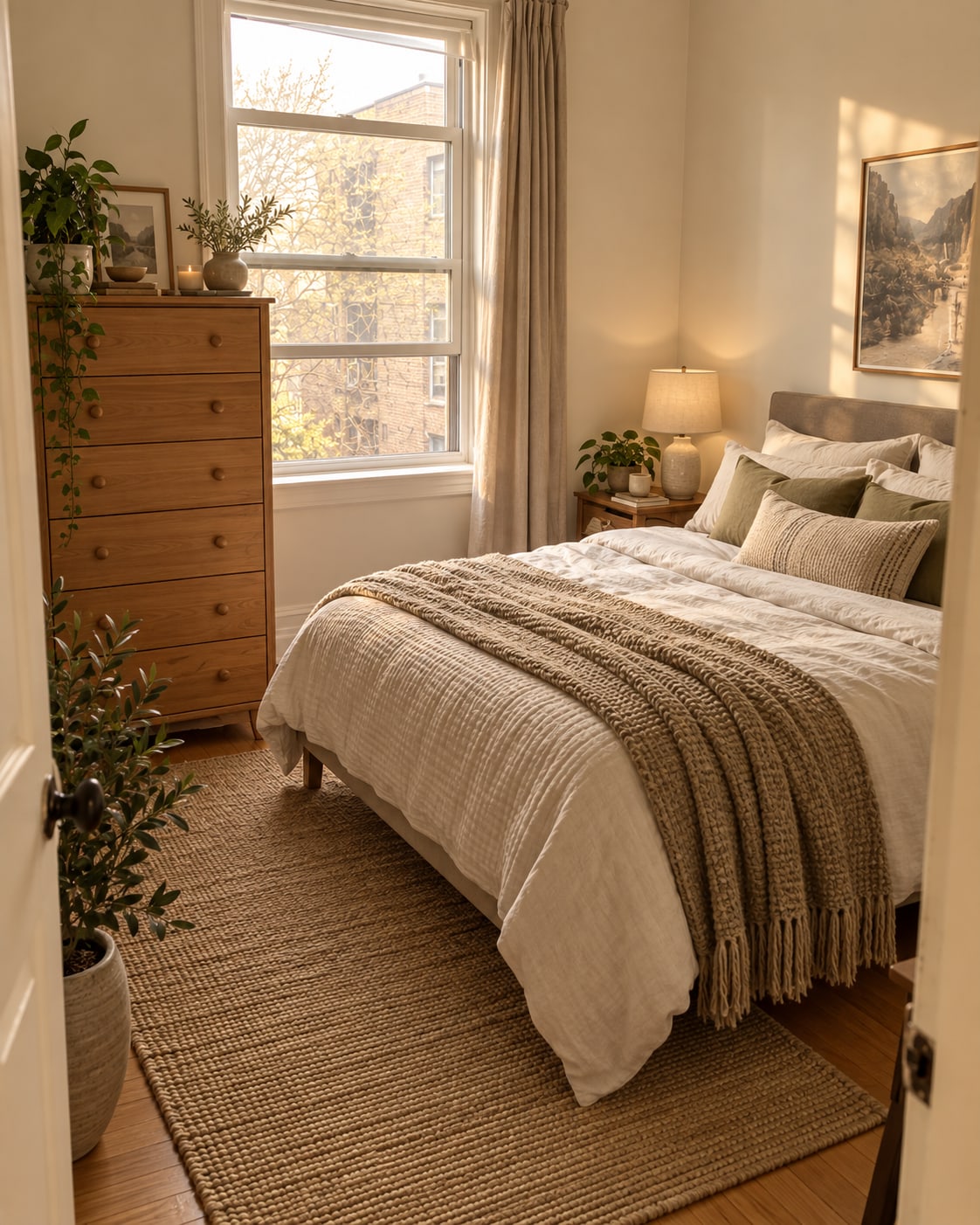
An understated retreat with a boutique-hotel feel, made for restful evenings.
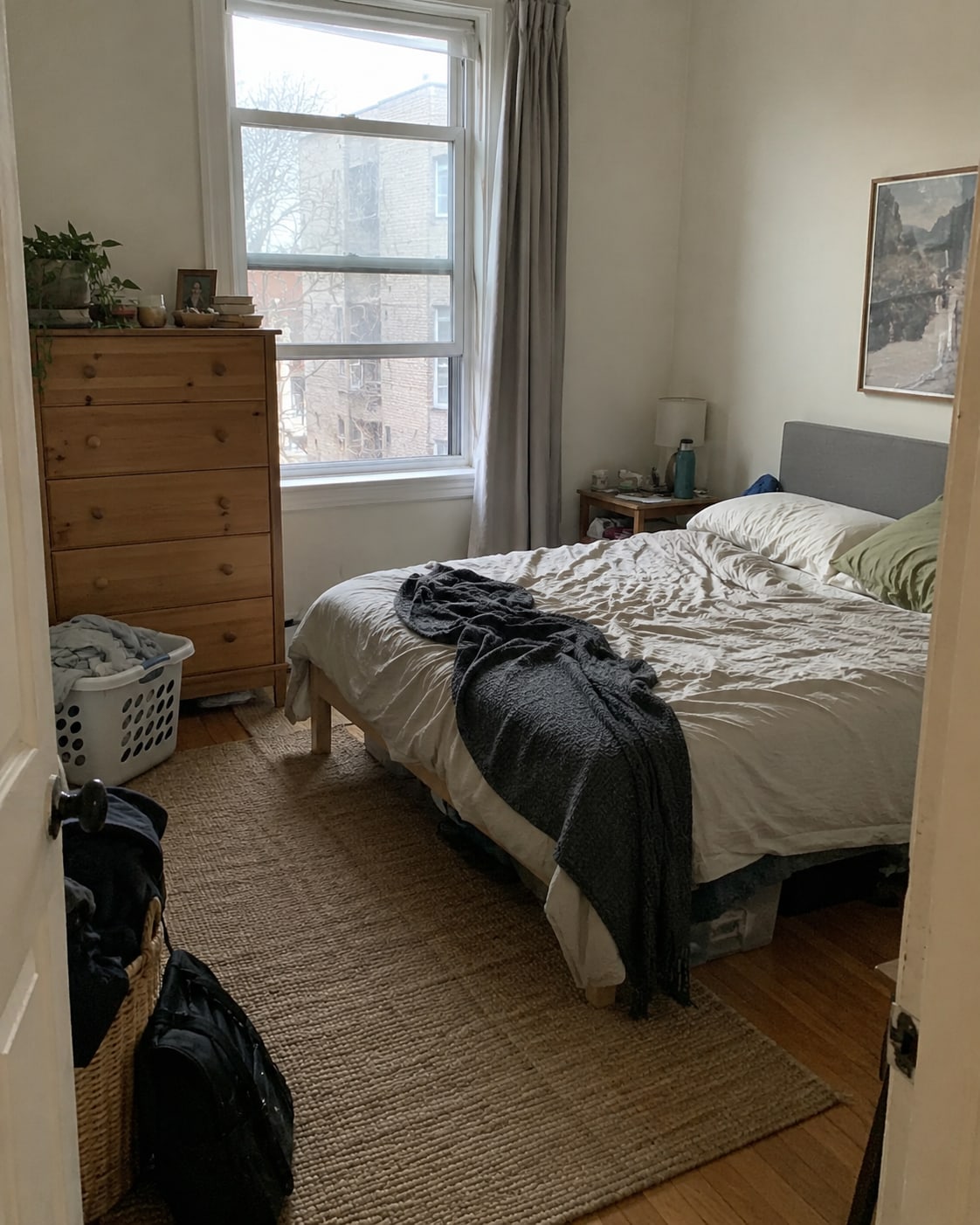
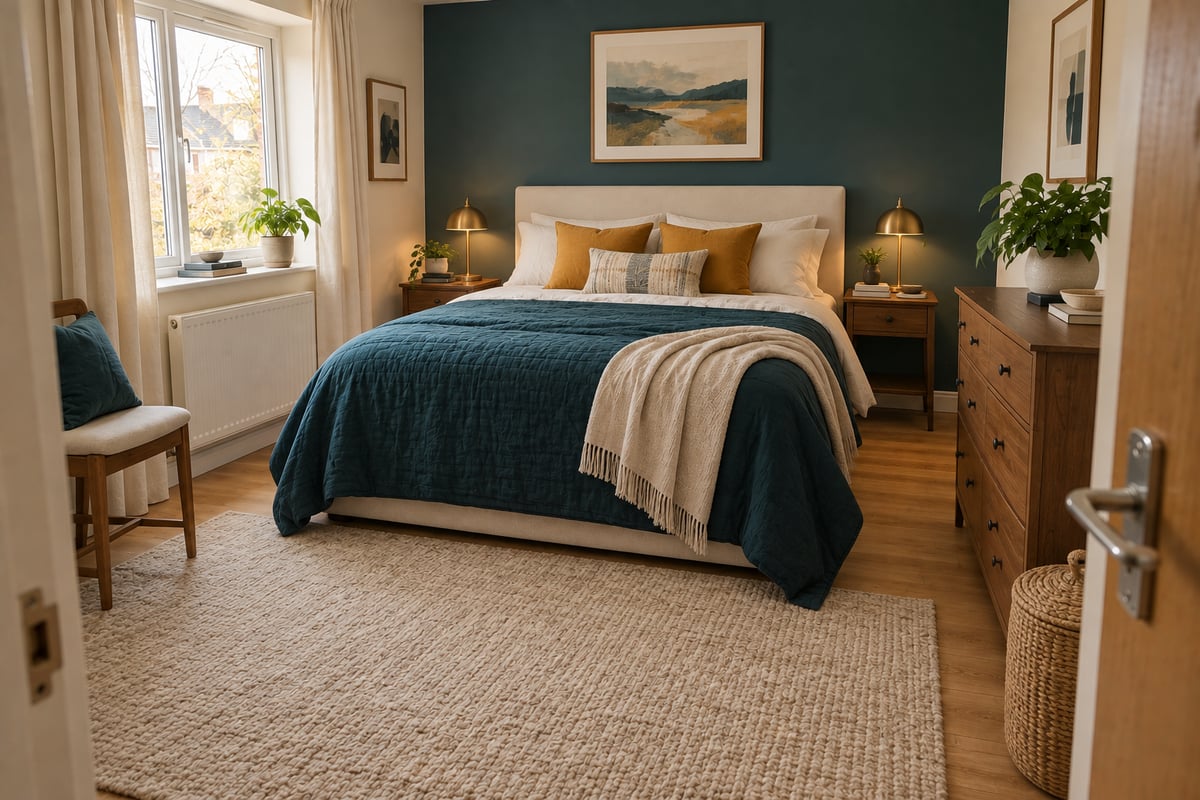
Explore a fresh atmosphere and see this style in your own space.
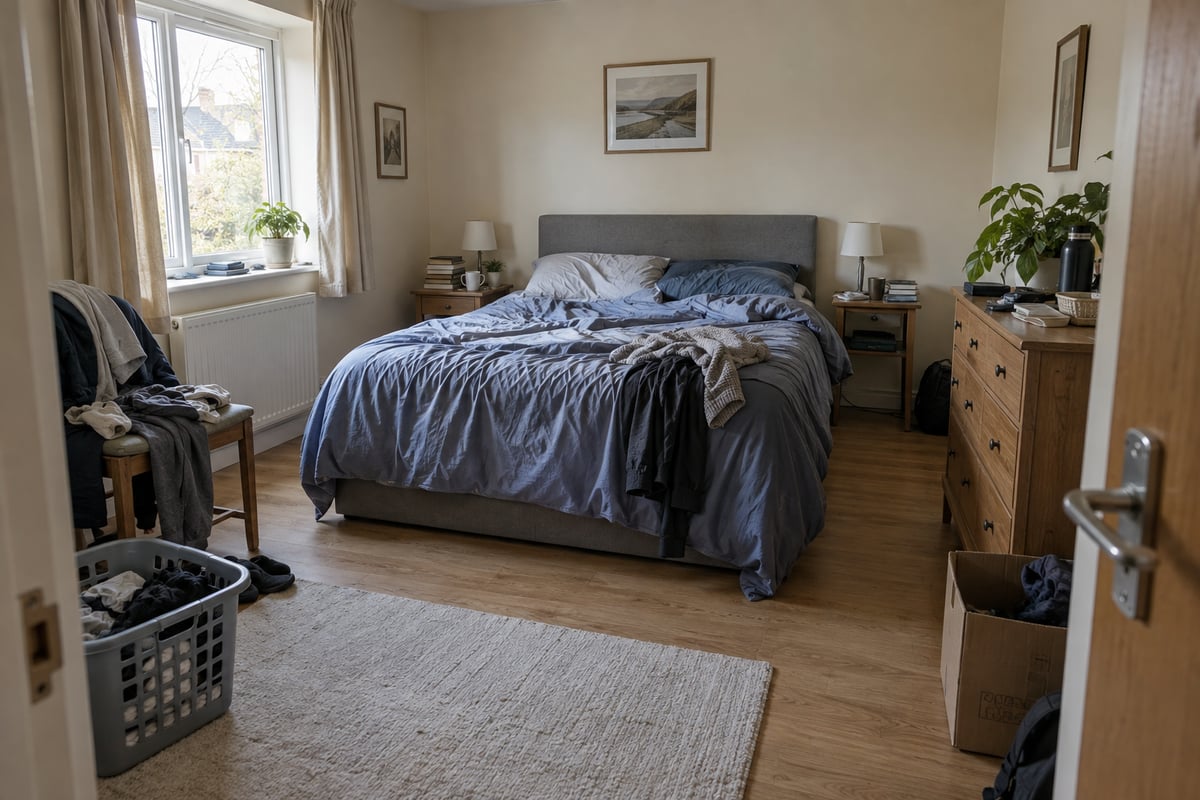
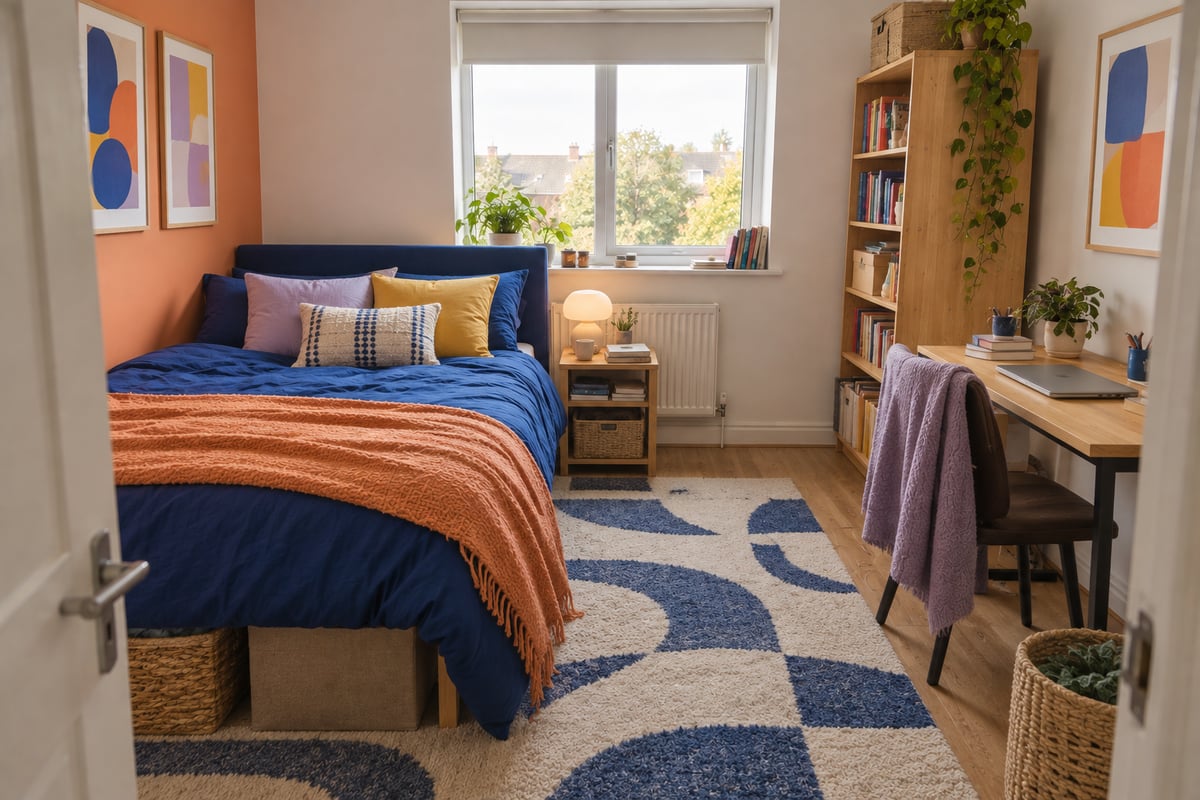
Explore a fresh atmosphere and see this style in your own space.
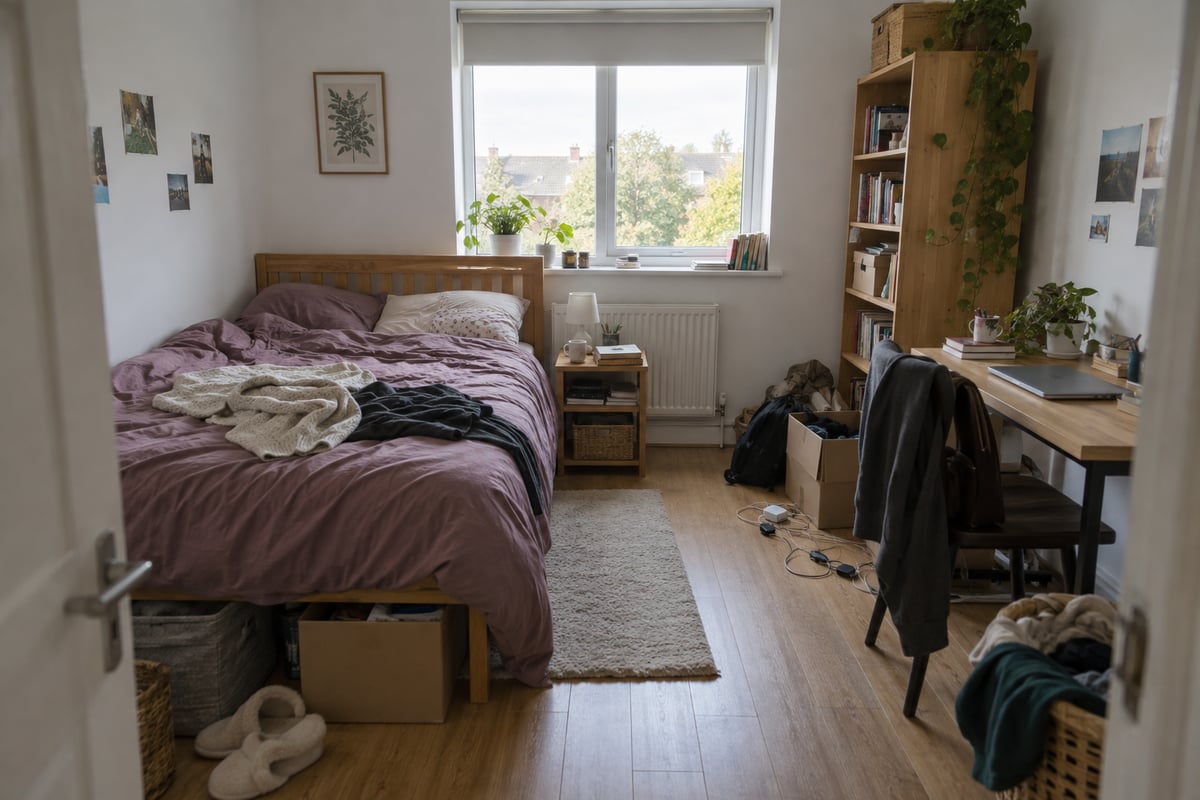
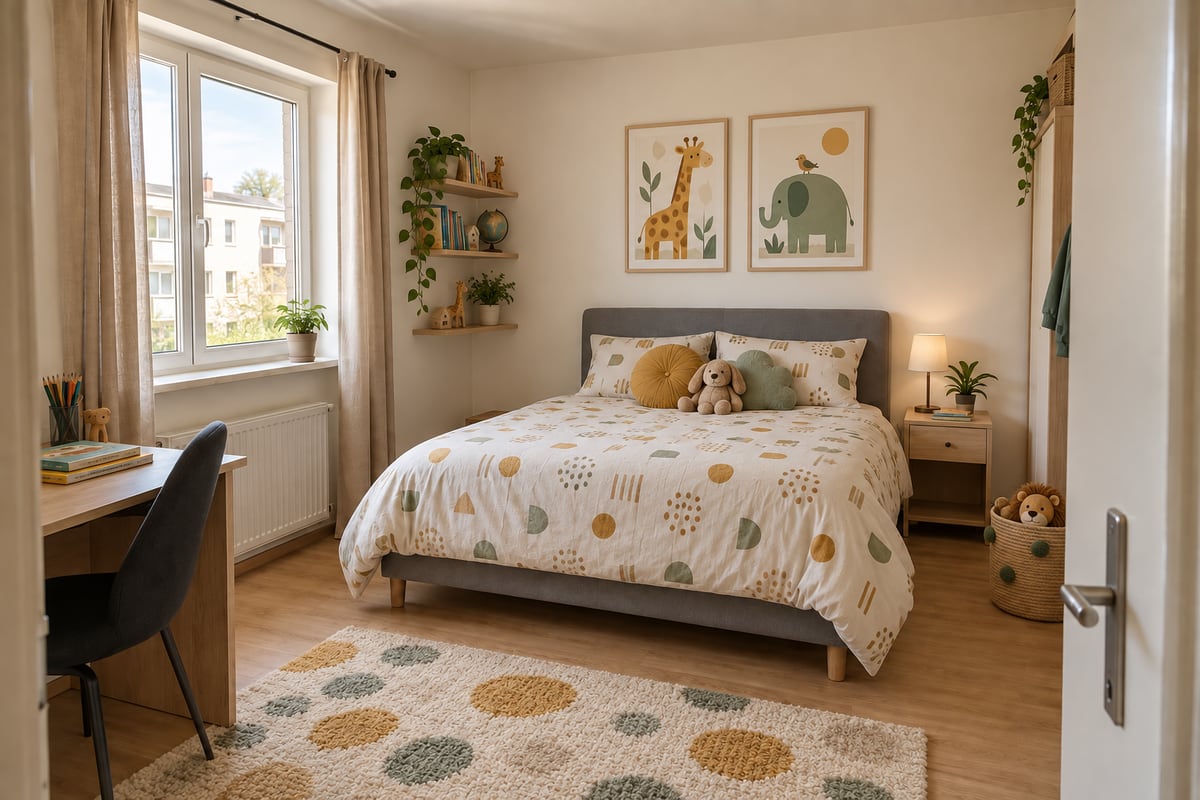
Explore a fresh atmosphere and see this style in your own space.
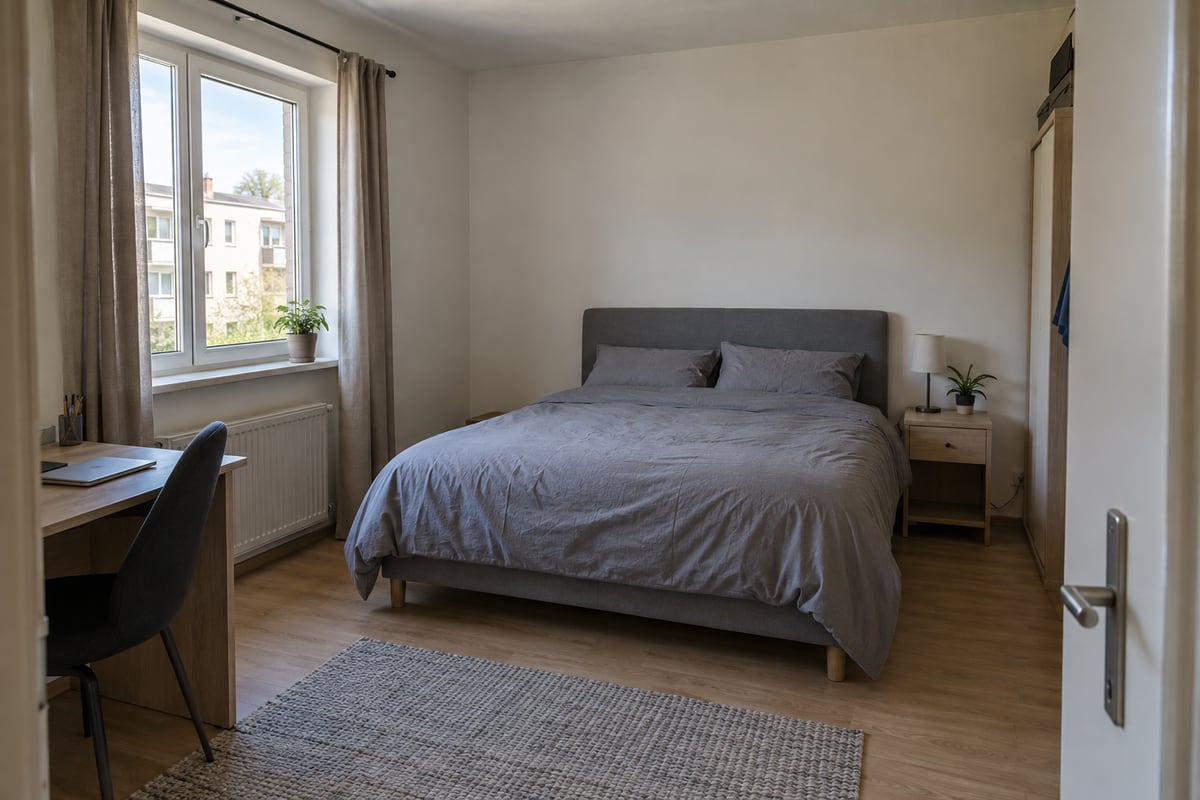
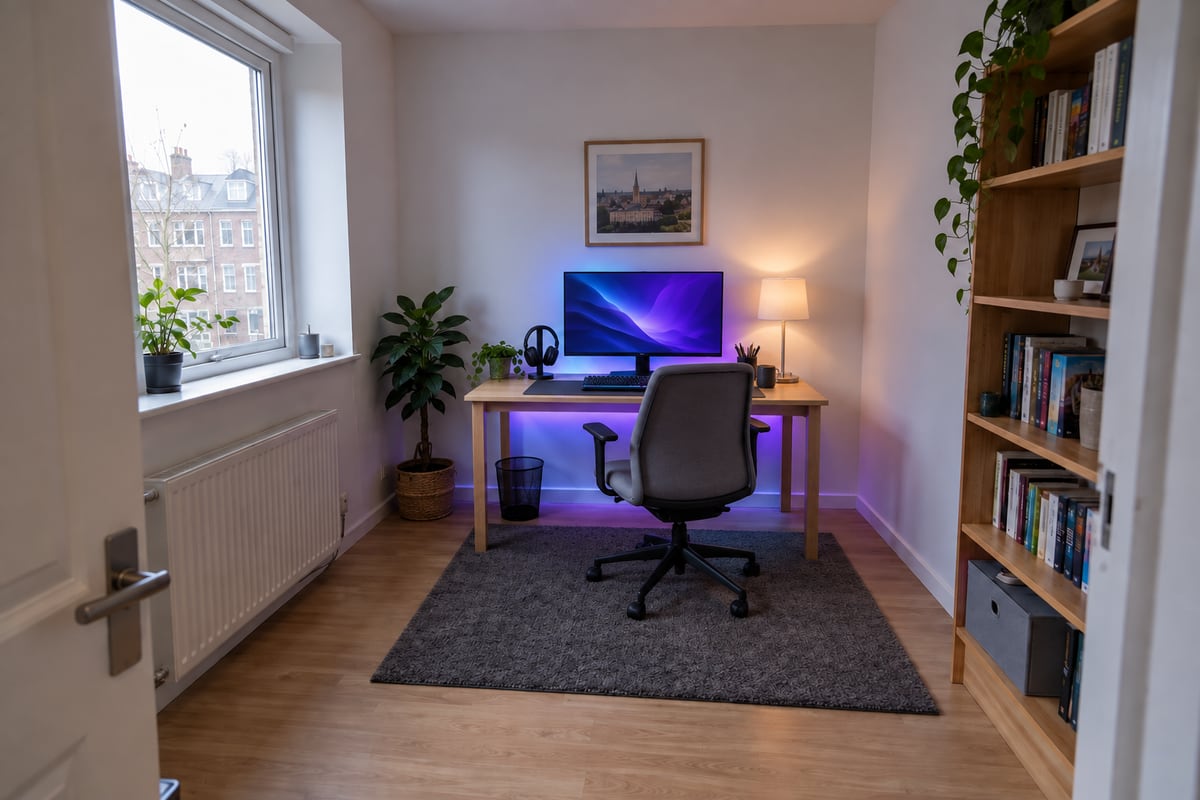
Explore a fresh atmosphere and see this style in your own space.
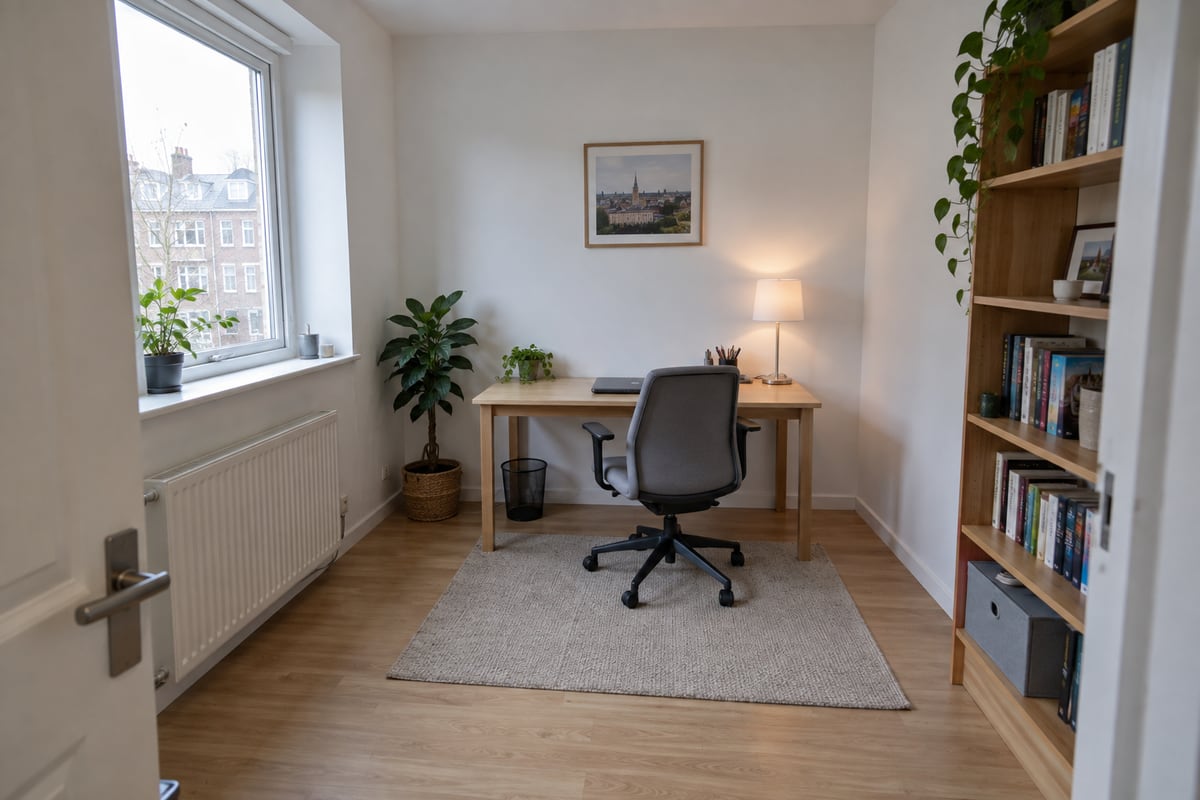
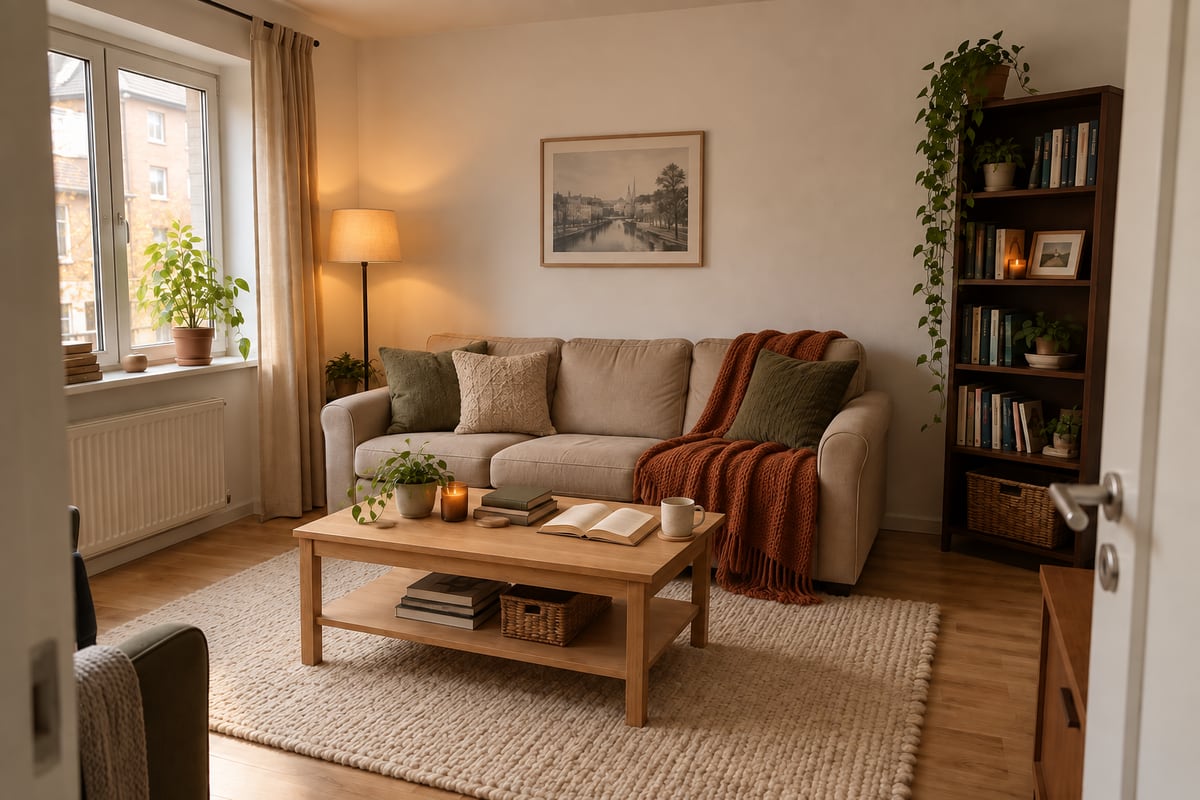
Explore a fresh atmosphere and see this style in your own space.
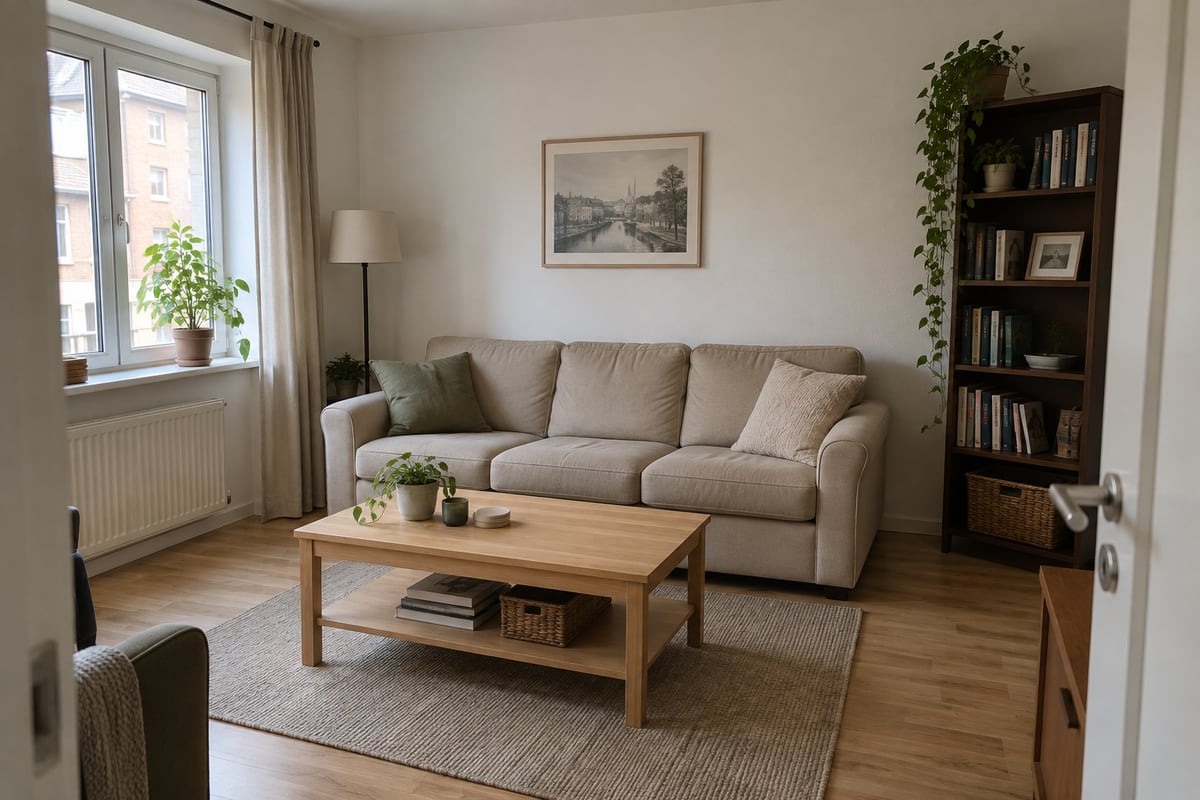
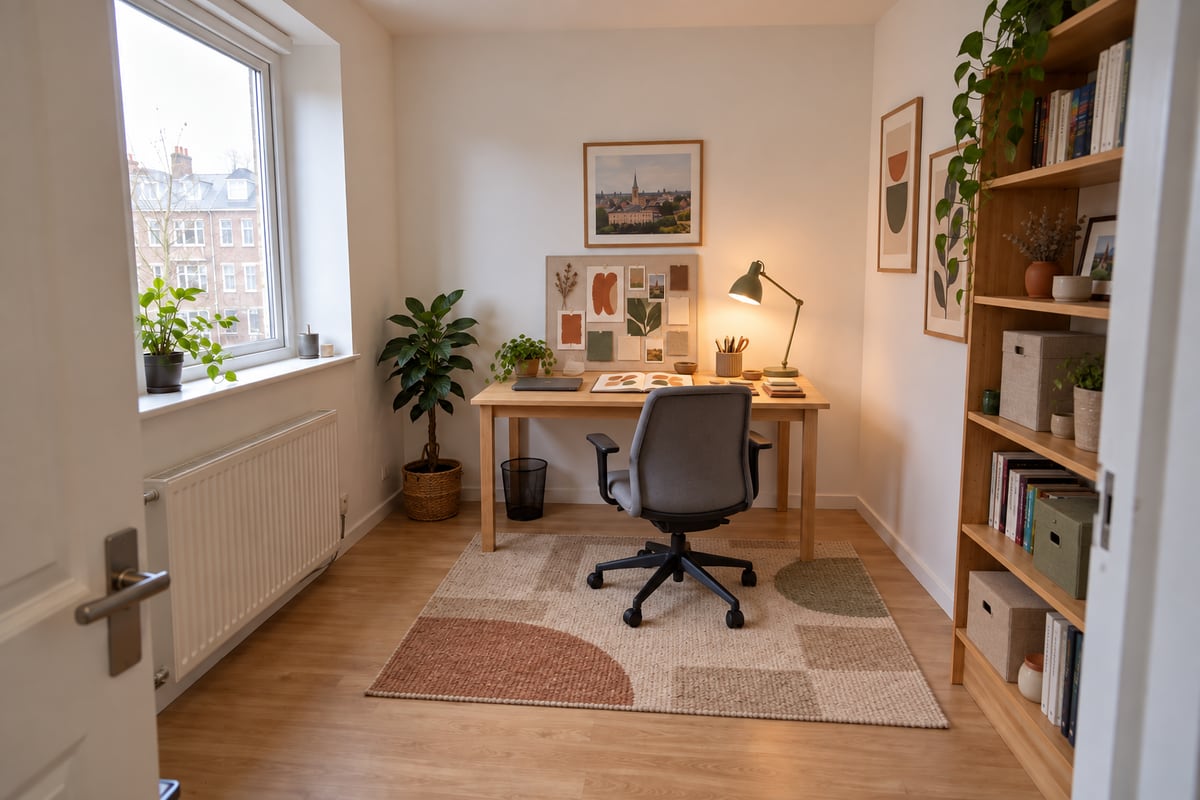
Explore a fresh atmosphere and see this style in your own space.
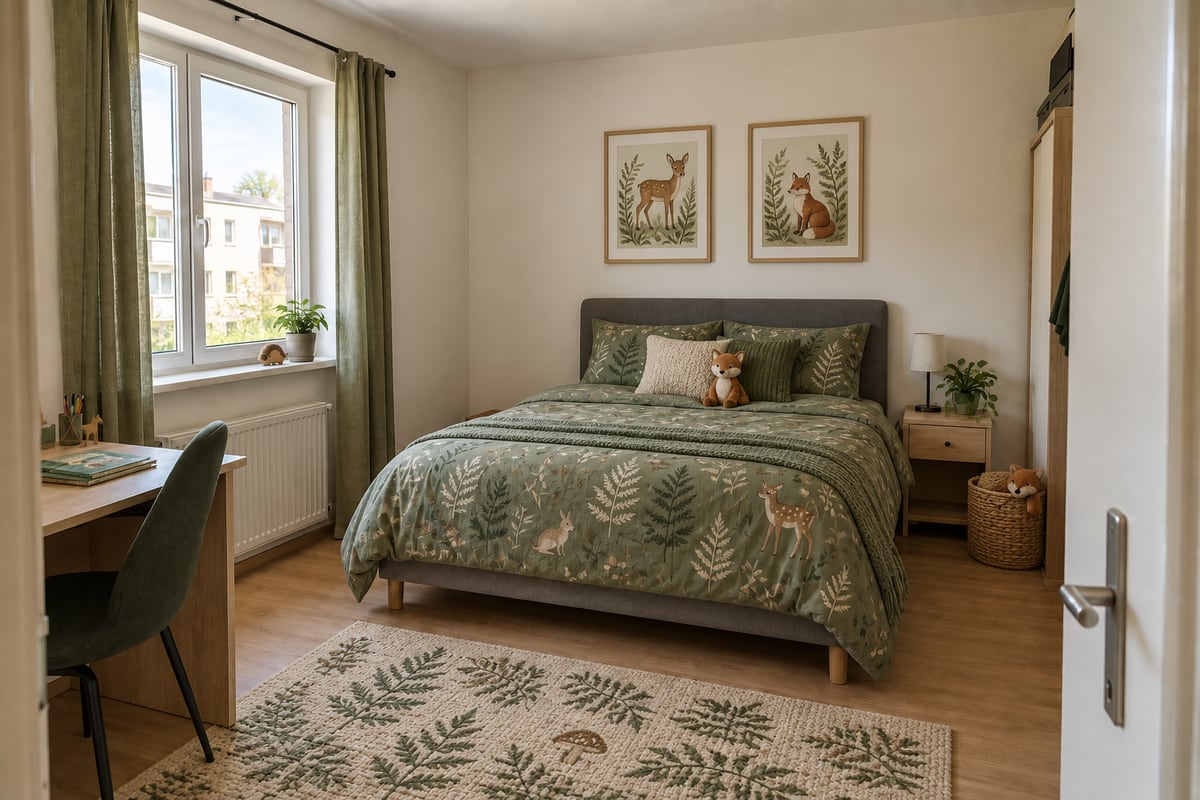
Explore a fresh atmosphere and see this style in your own space.
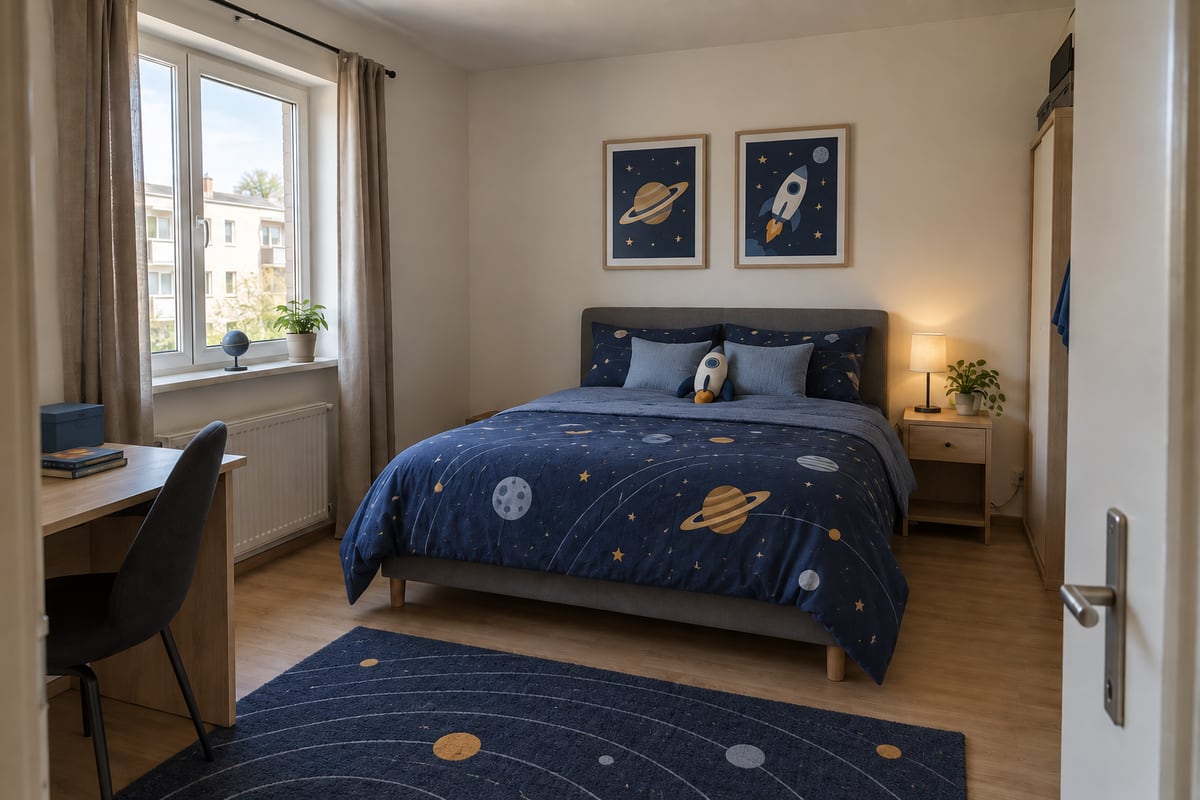
Explore a fresh atmosphere and see this style in your own space.
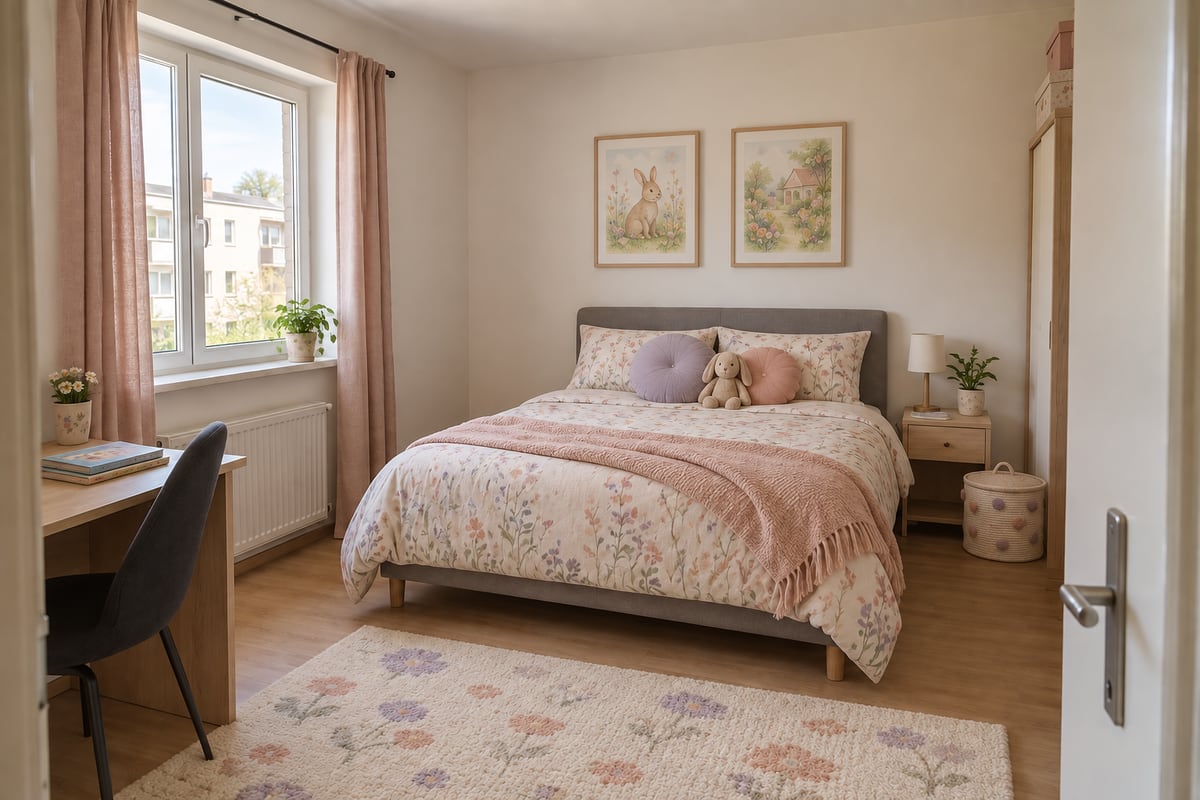
Explore a fresh atmosphere and see this style in your own space.
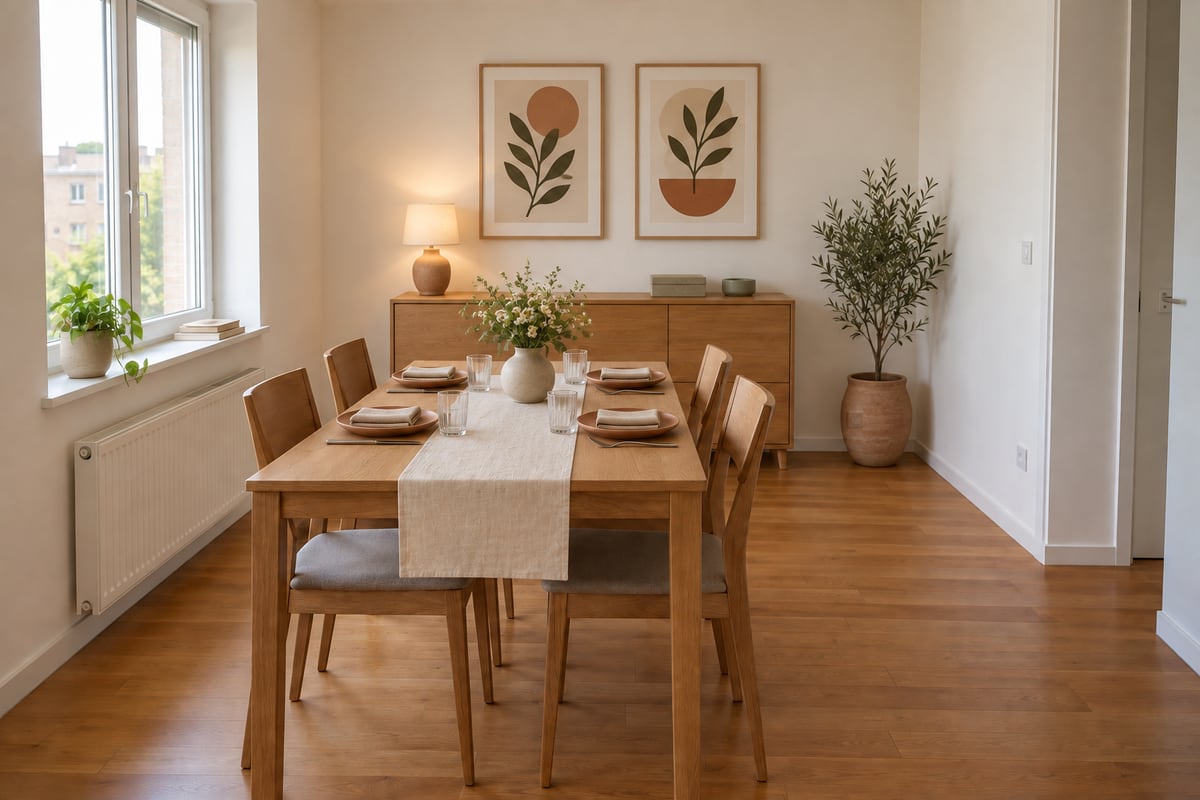
Explore a fresh atmosphere and see this style in your own space.
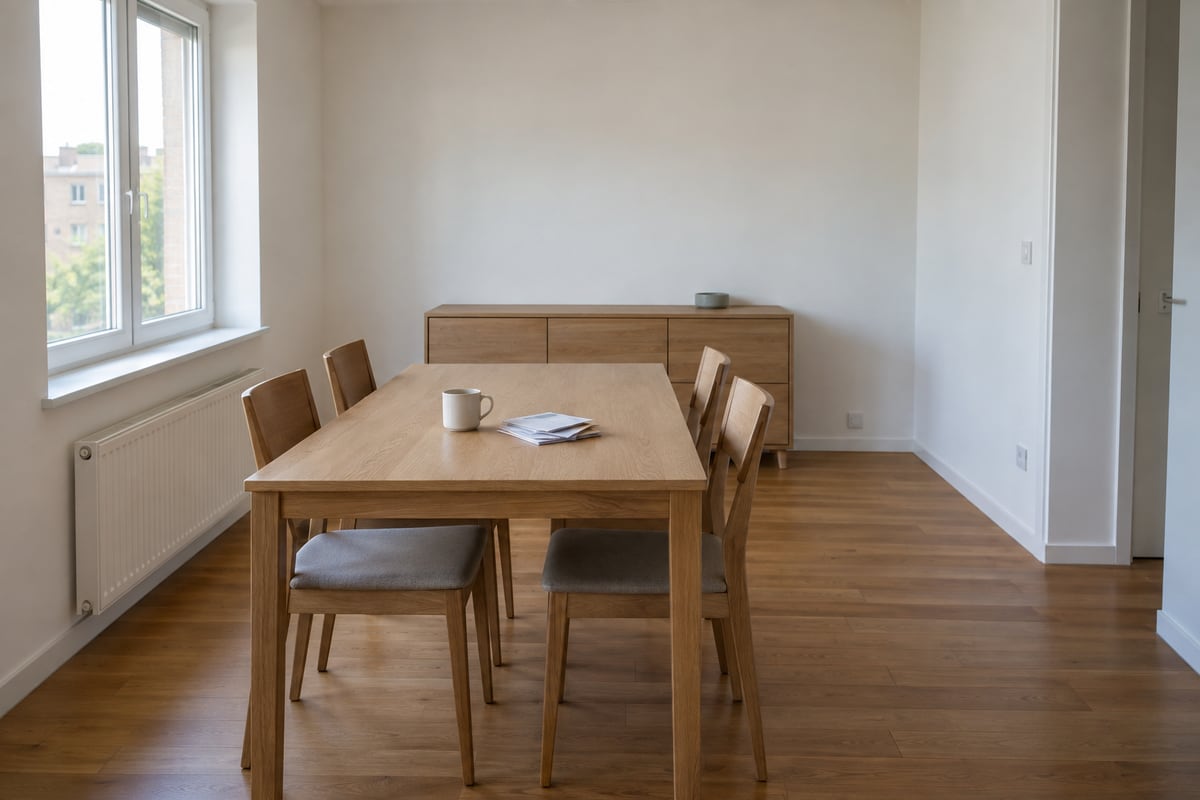
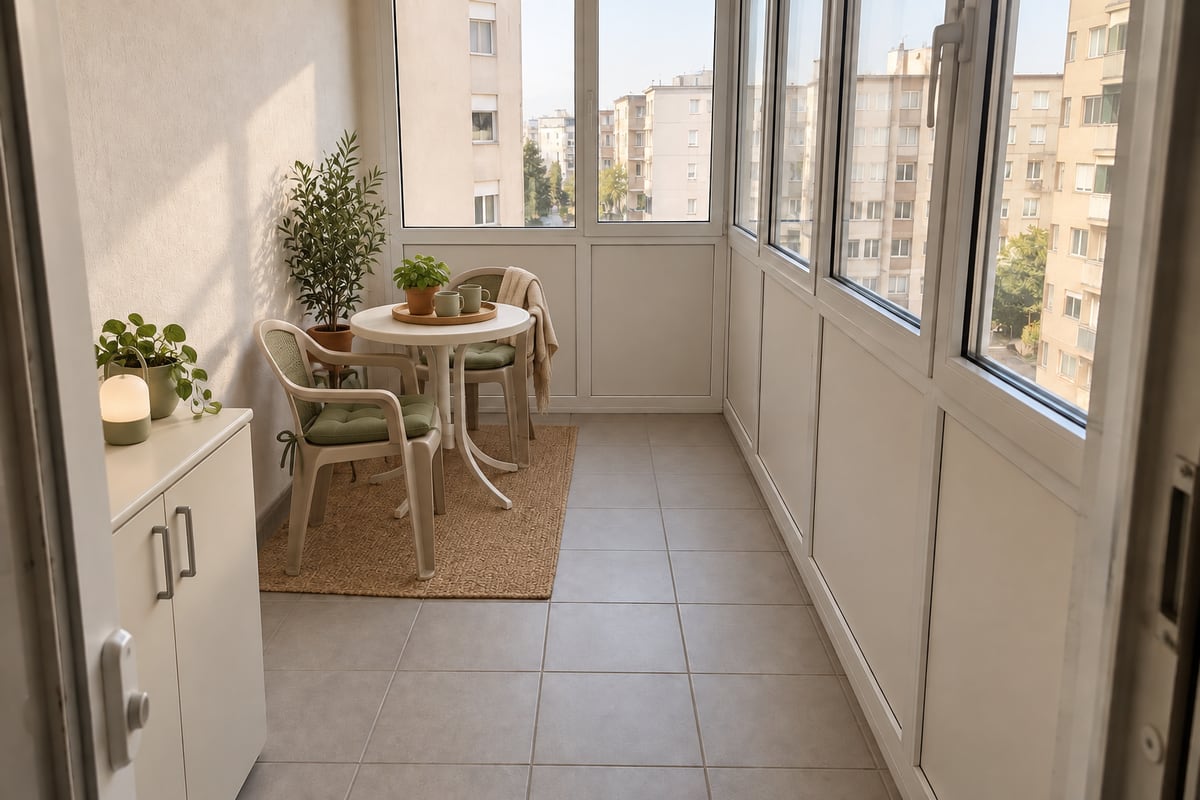
Explore a fresh atmosphere and see this style in your own space.
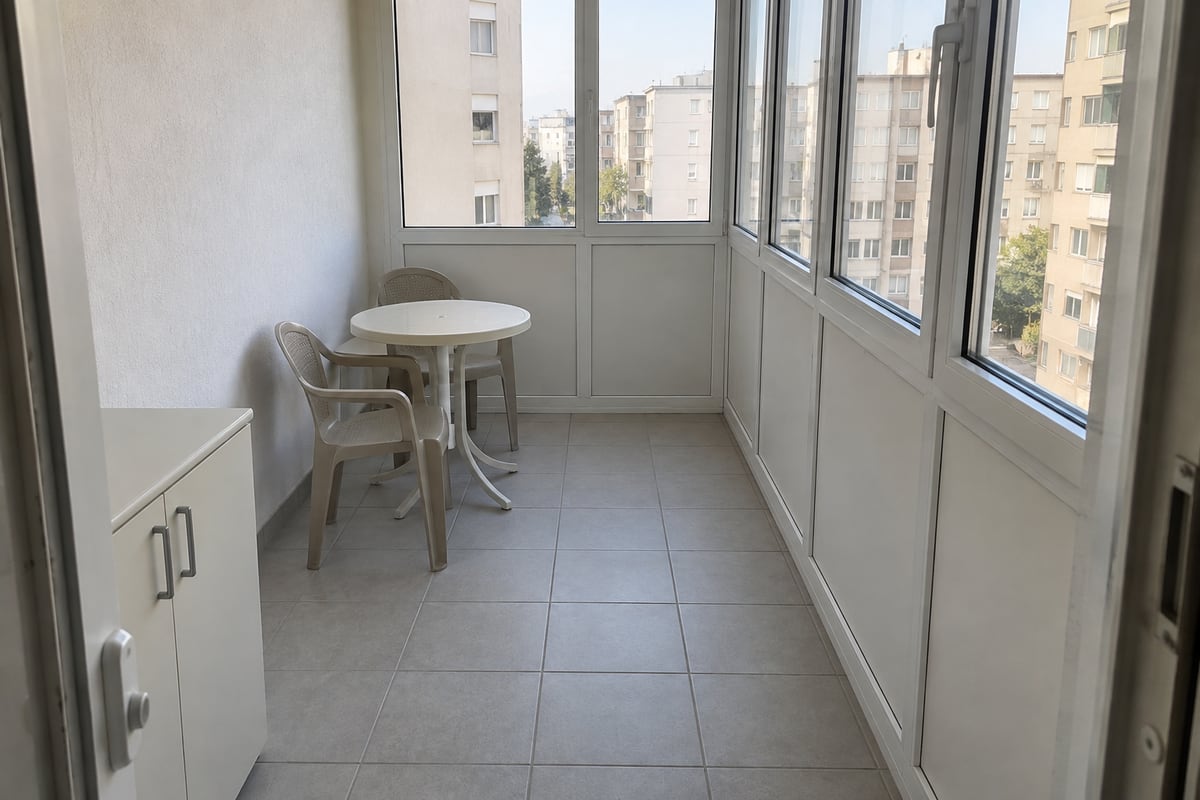
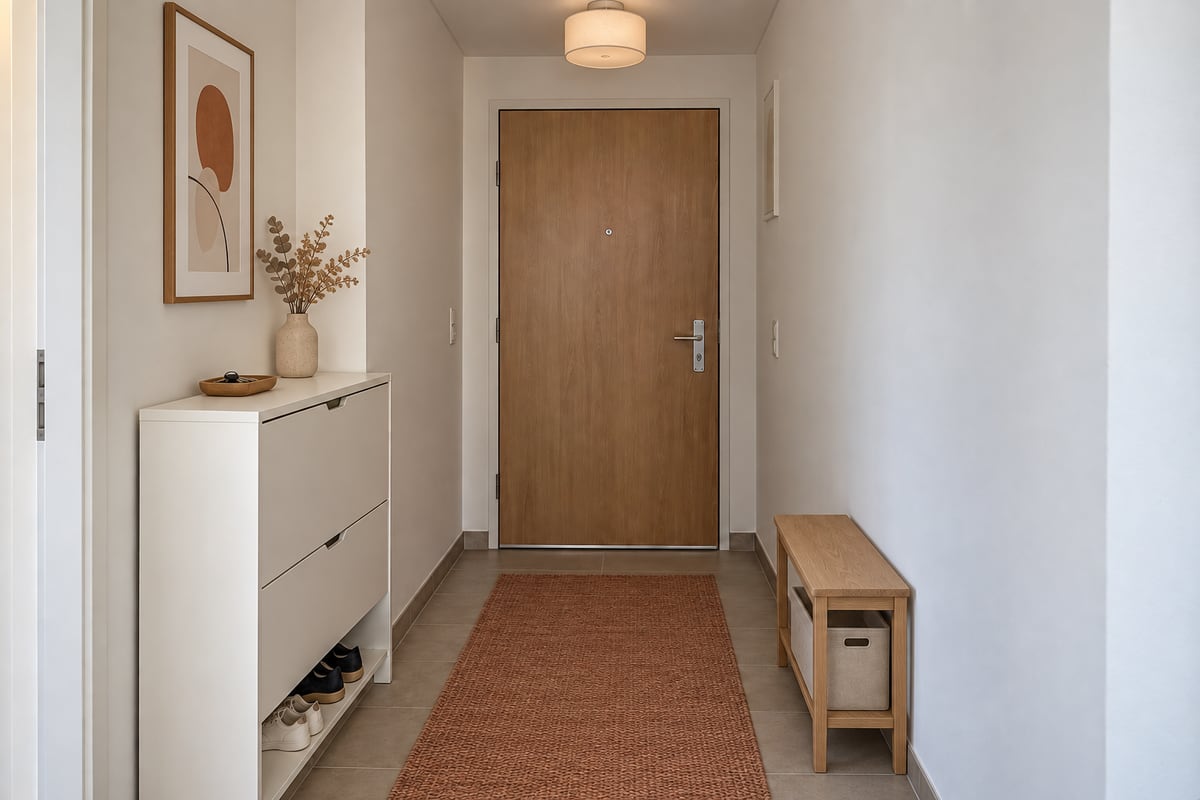
Explore a fresh atmosphere and see this style in your own space.
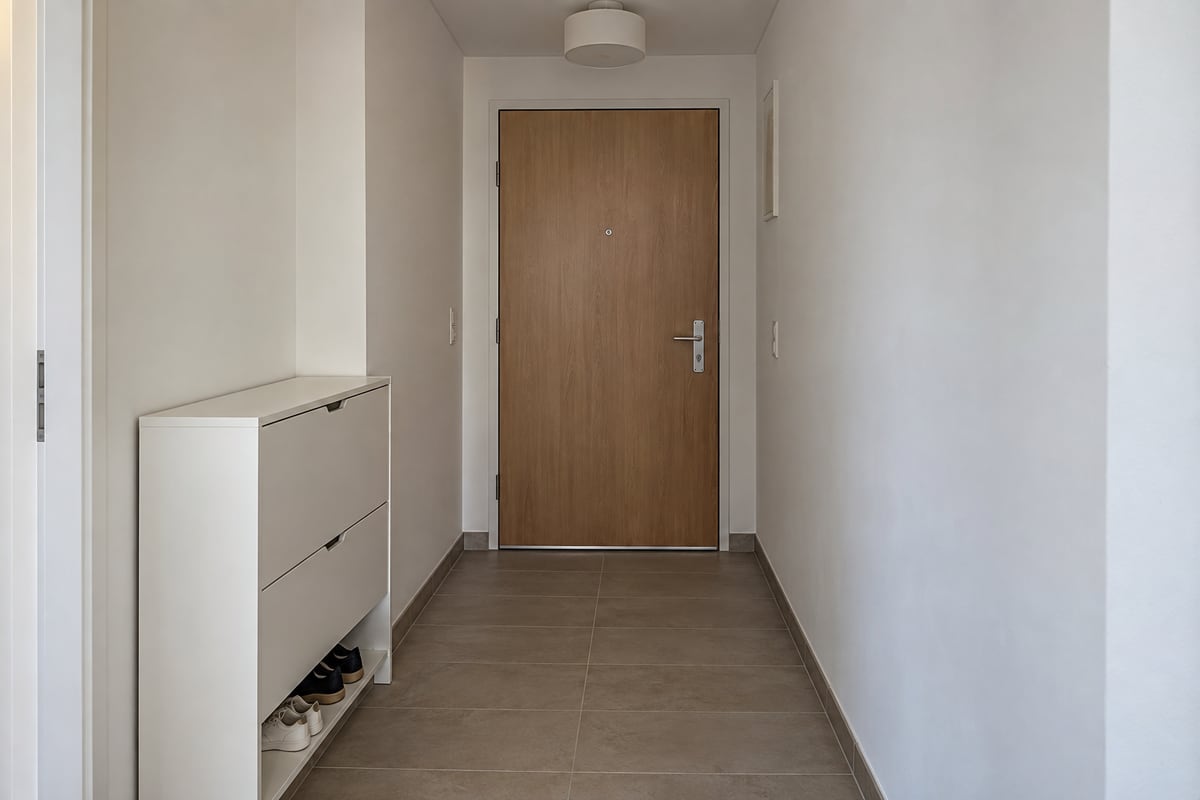
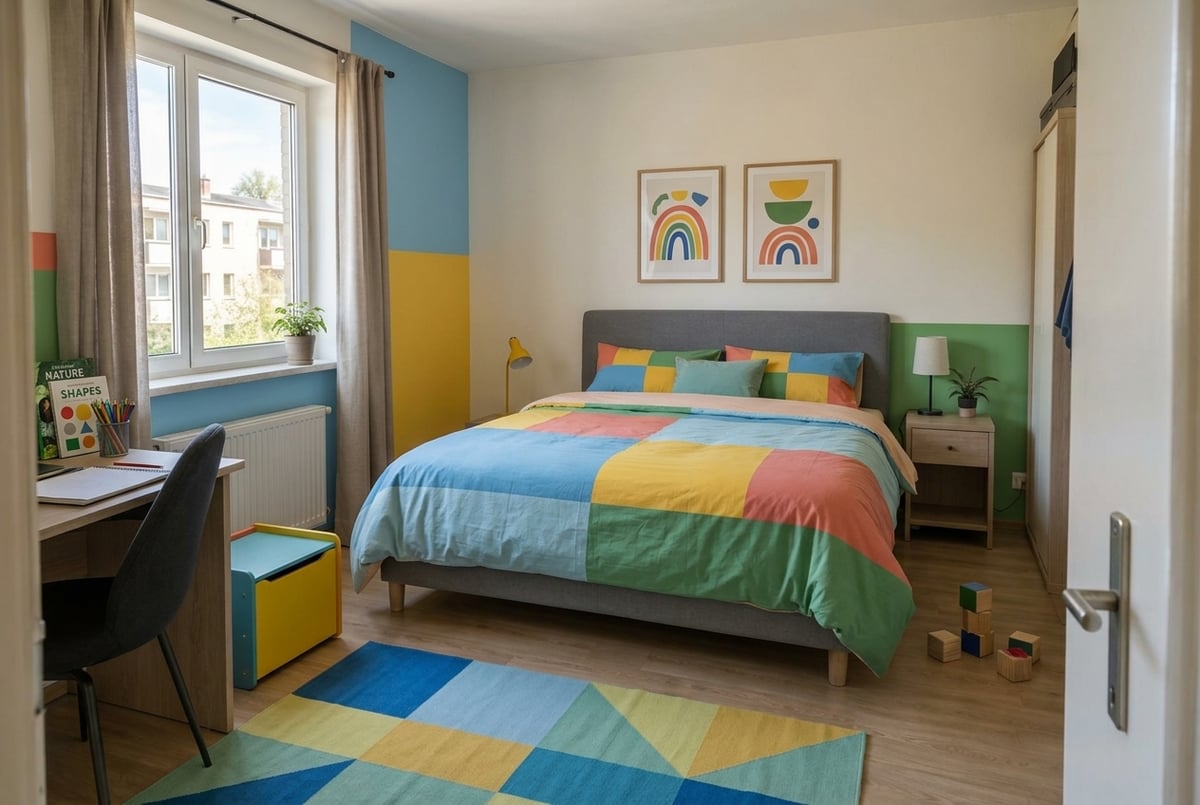
Explore a fresh atmosphere and see this style in your own space.
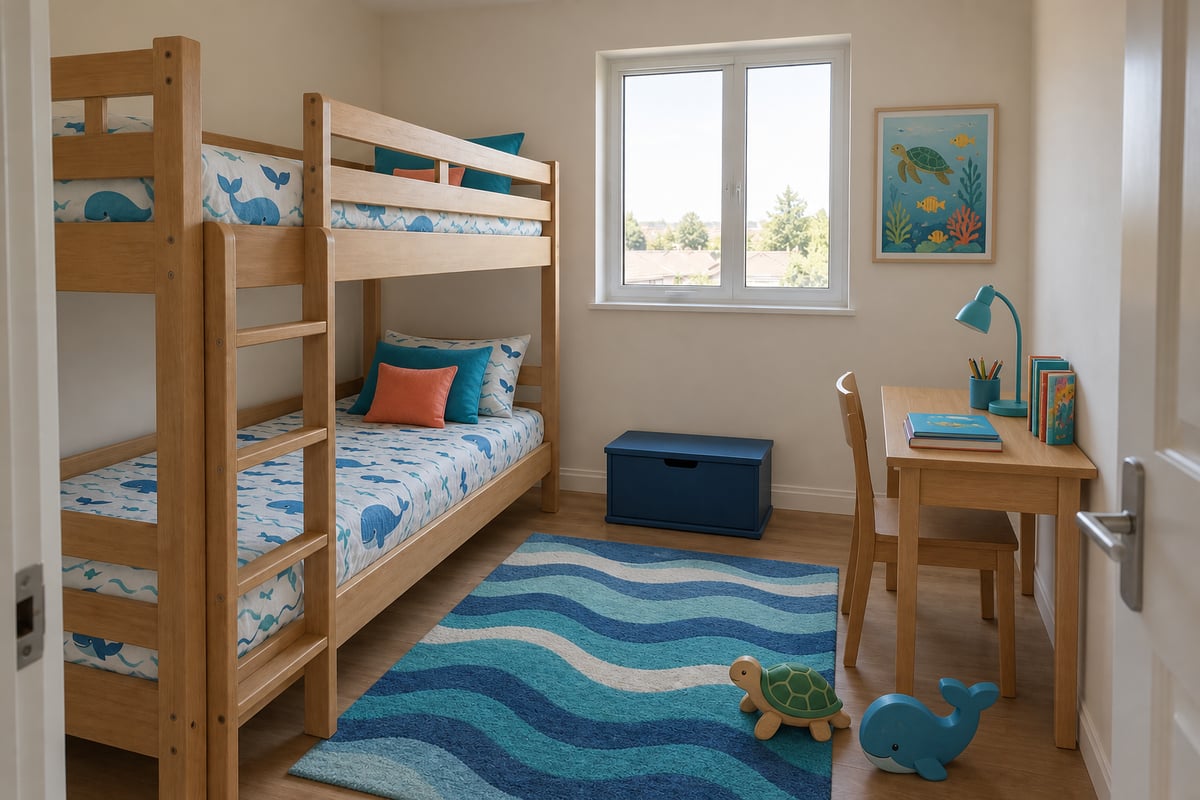
Explore a fresh atmosphere and see this style in your own space.
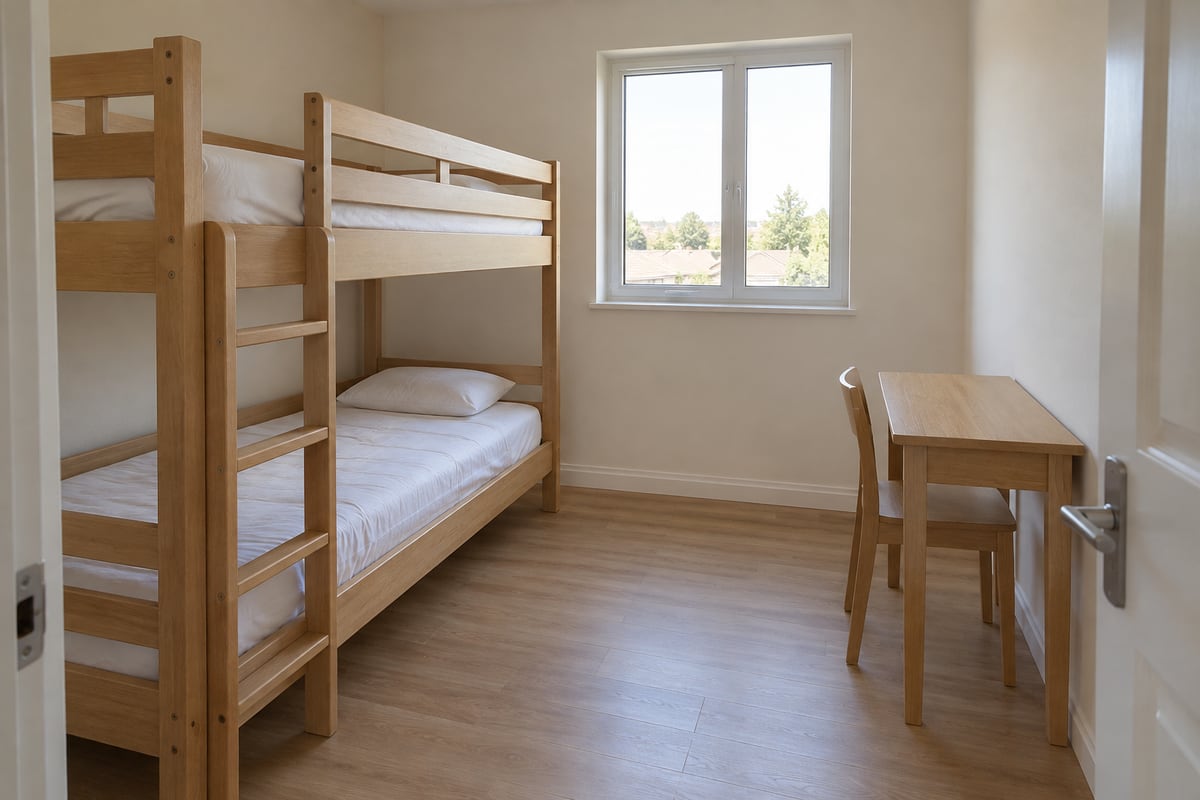
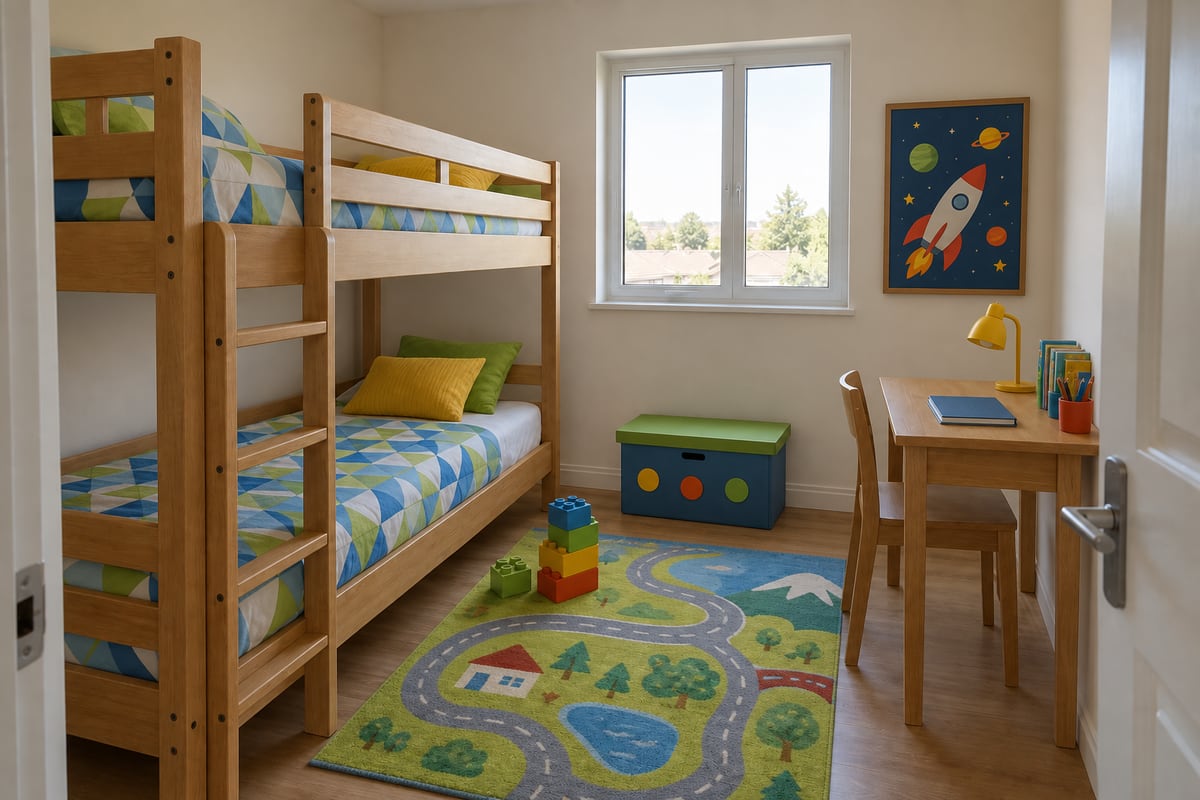
Explore a fresh atmosphere and see this style in your own space.
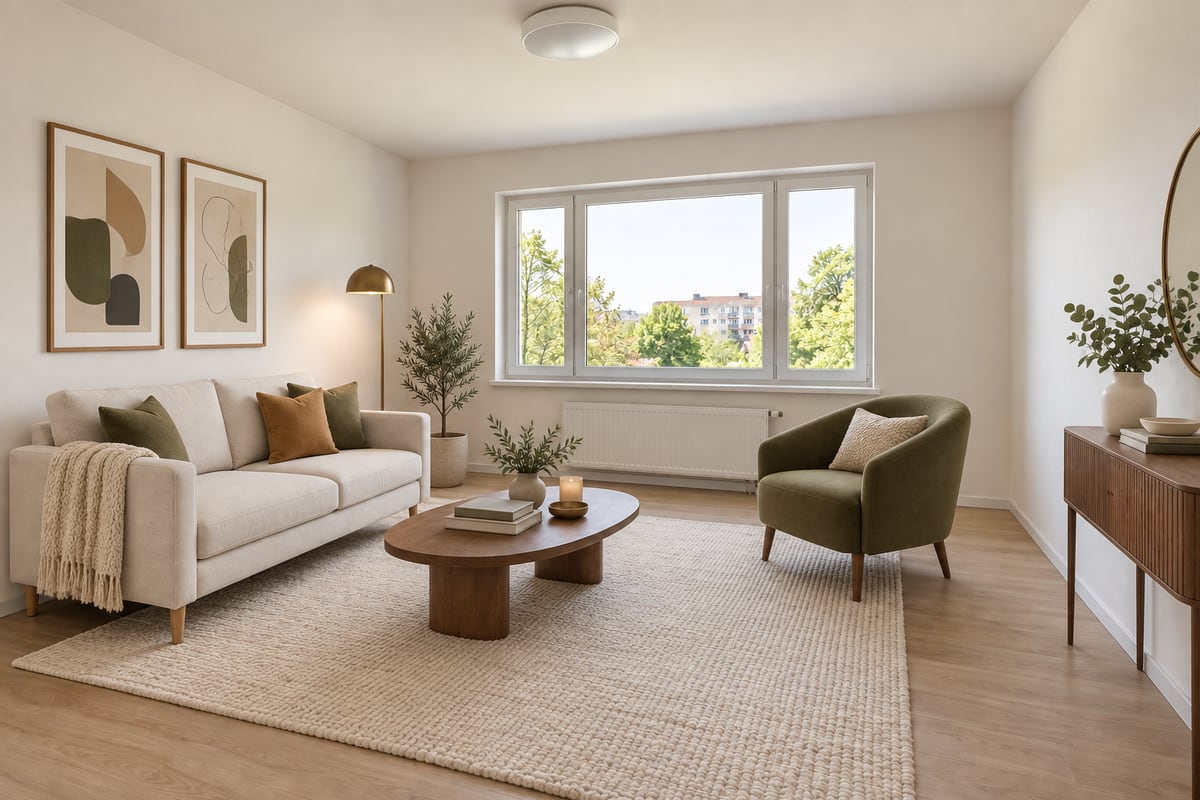
Explore a fresh atmosphere and see this style in your own space.
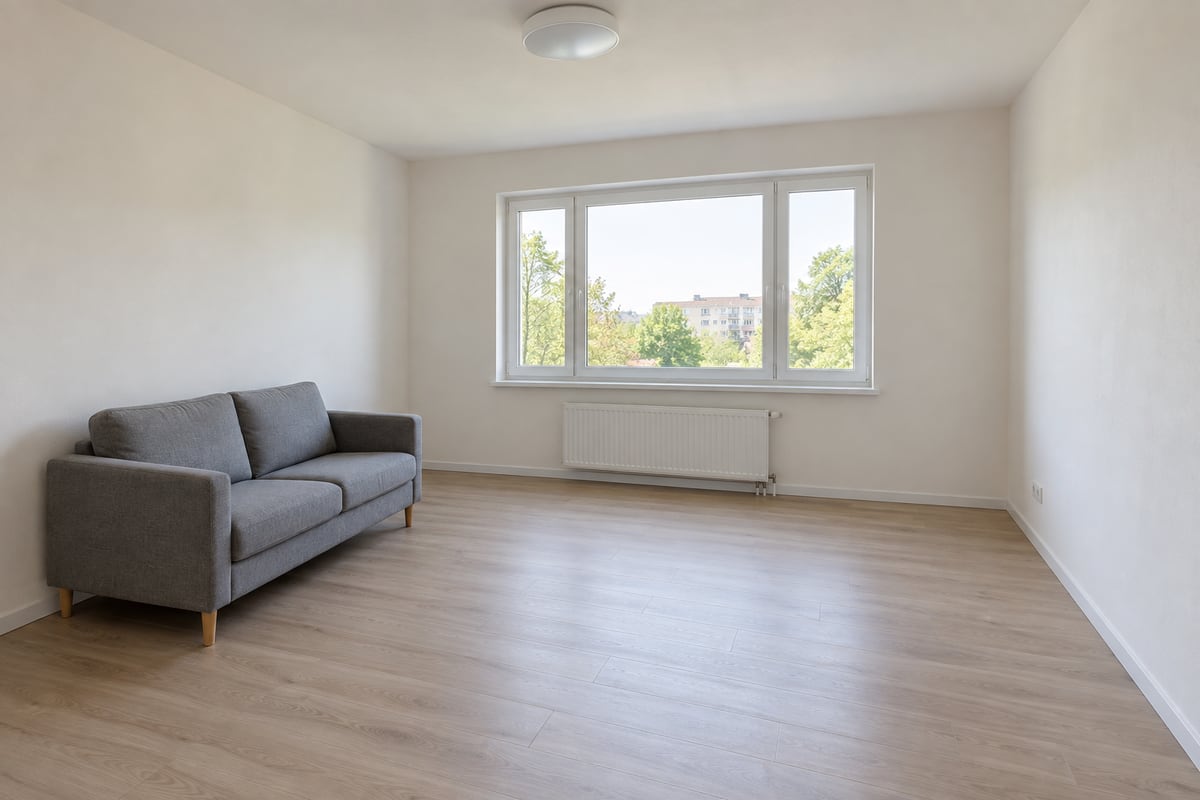
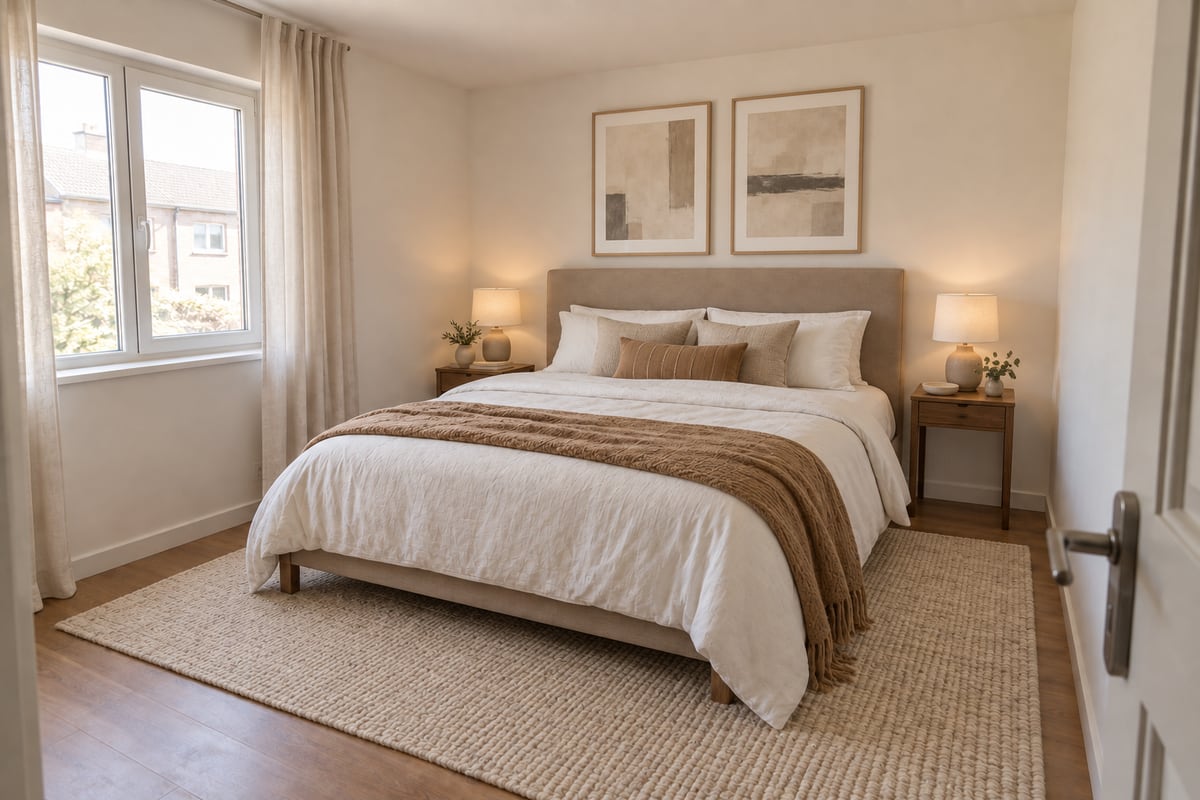
Explore a fresh atmosphere and see this style in your own space.
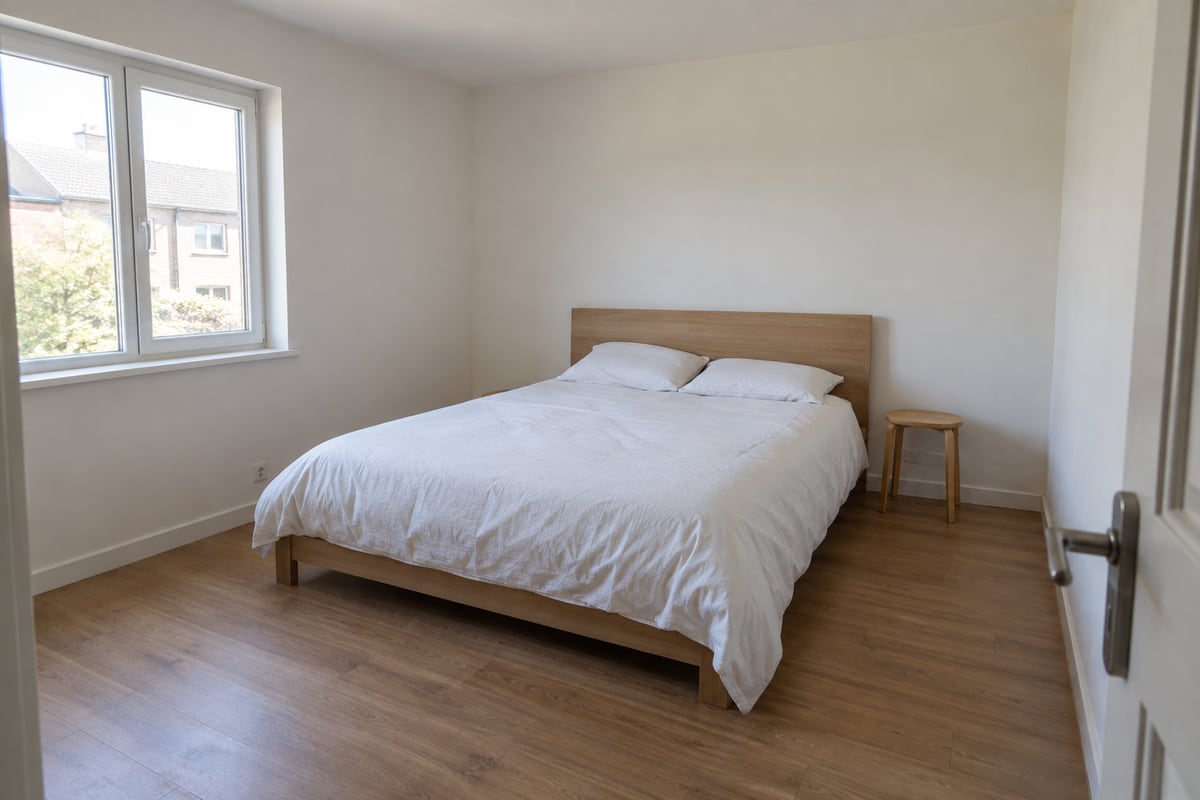
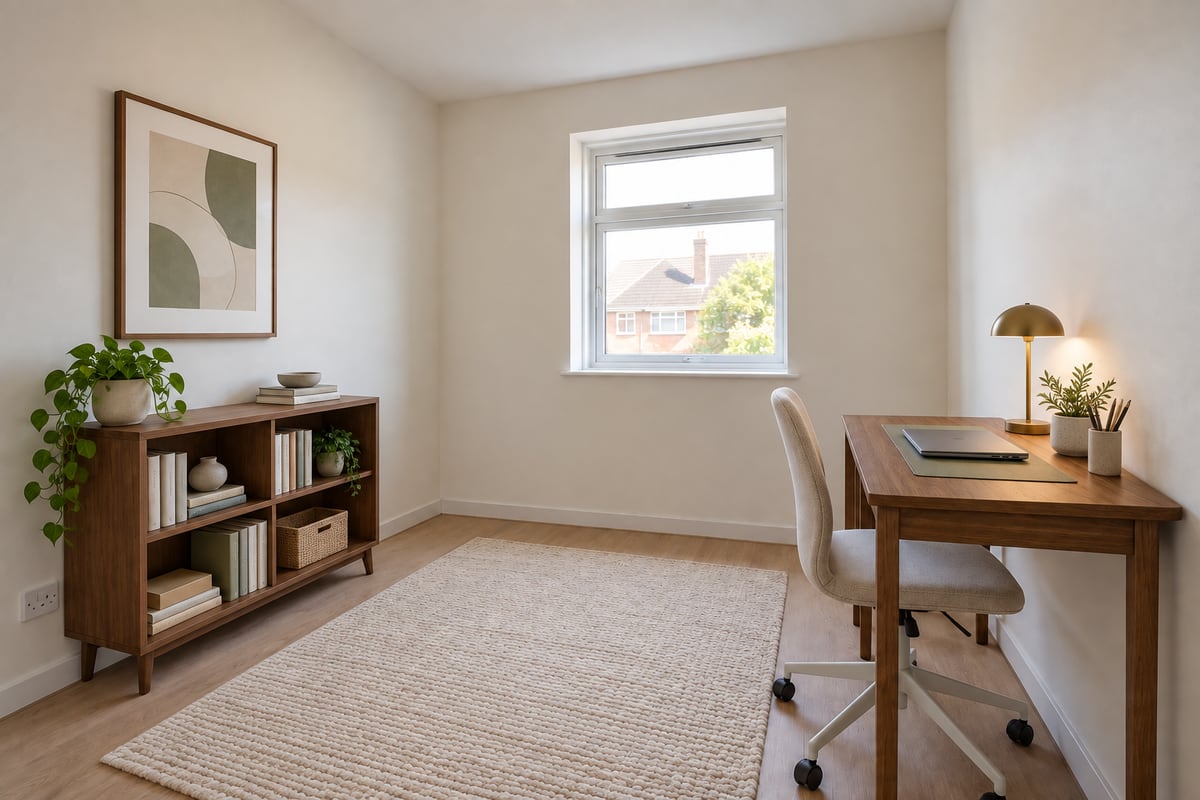
Explore a fresh atmosphere and see this style in your own space.
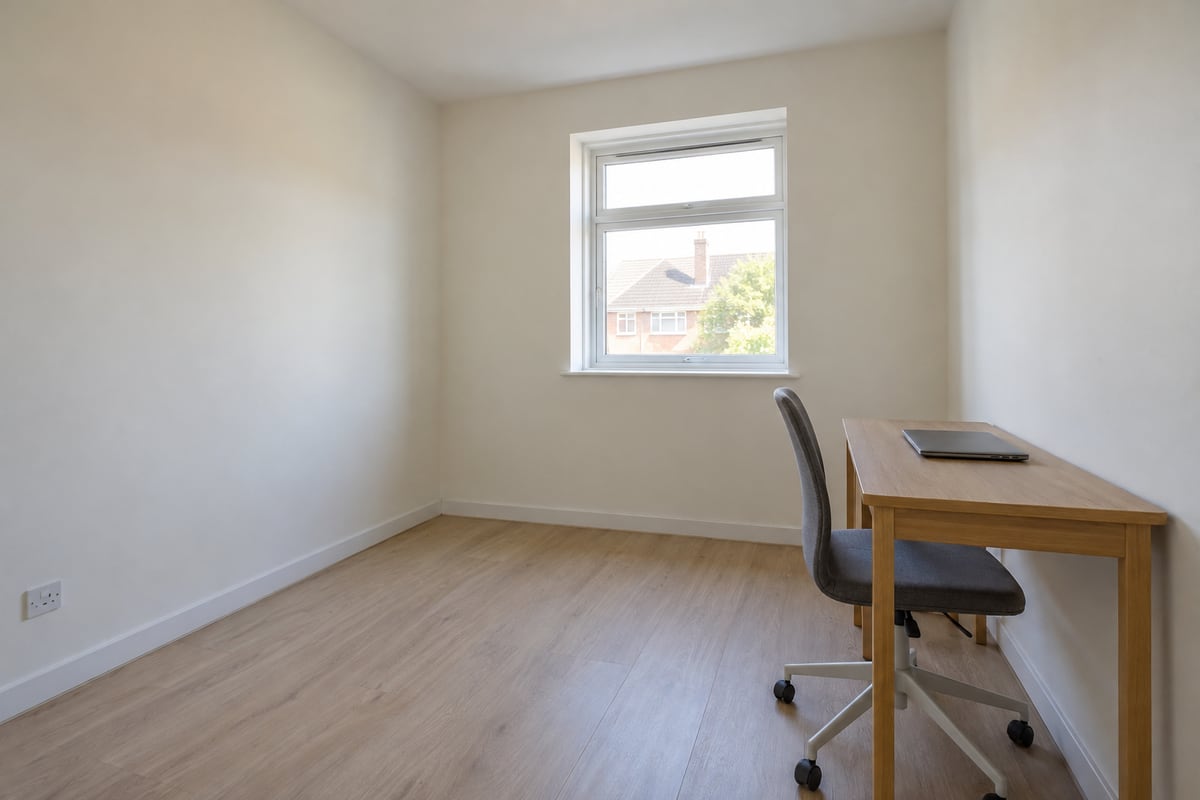
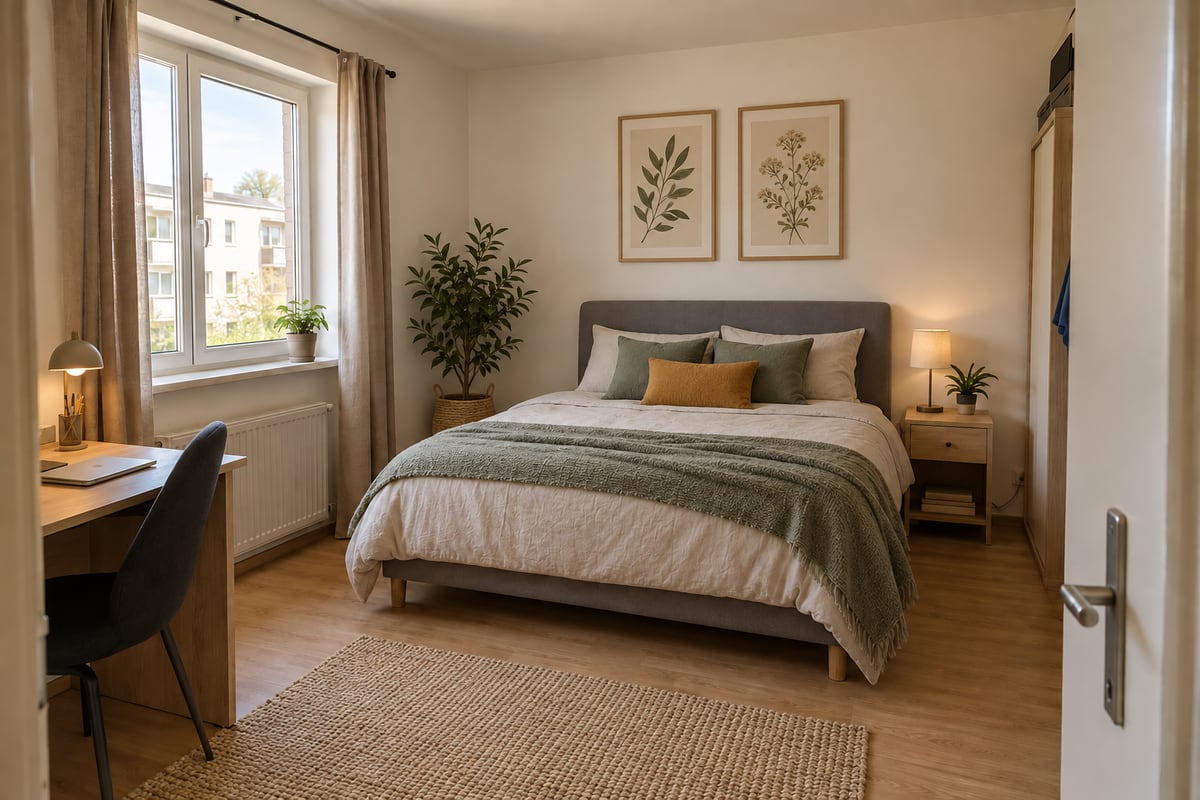
Explore a fresh atmosphere and see this style in your own space.
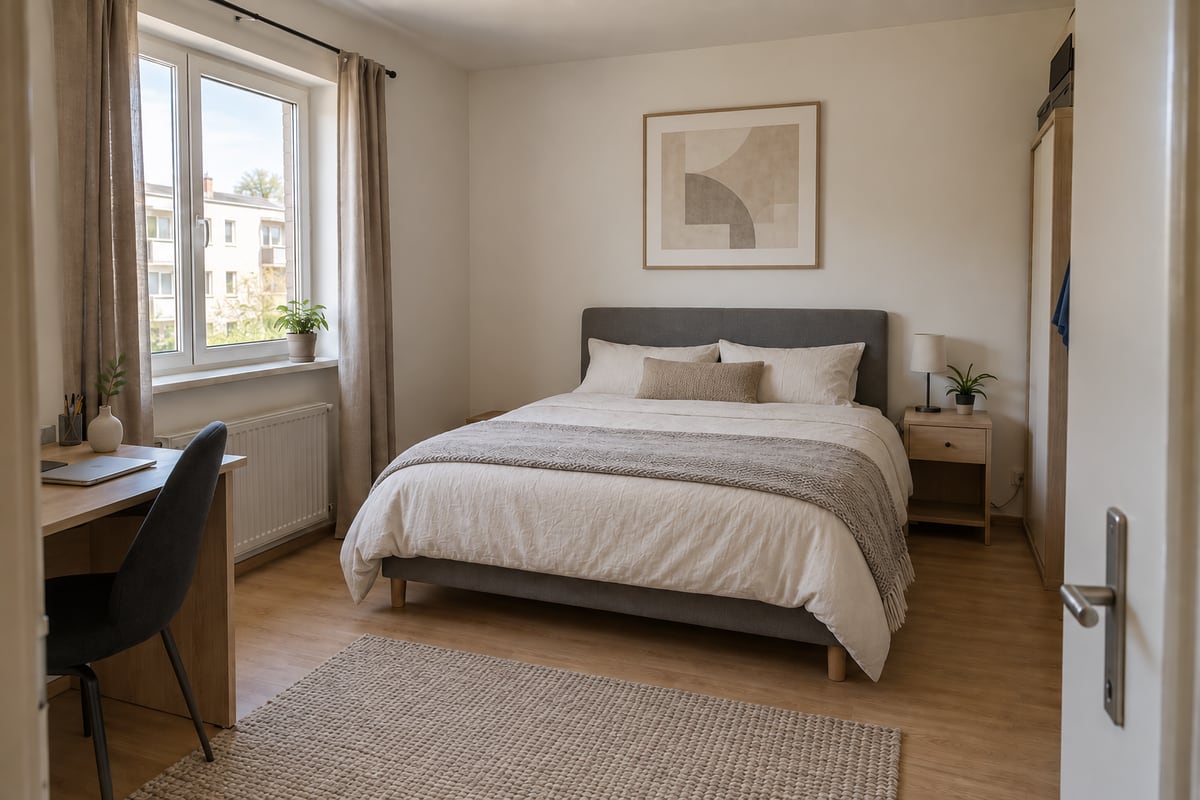
Explore a fresh atmosphere and see this style in your own space.
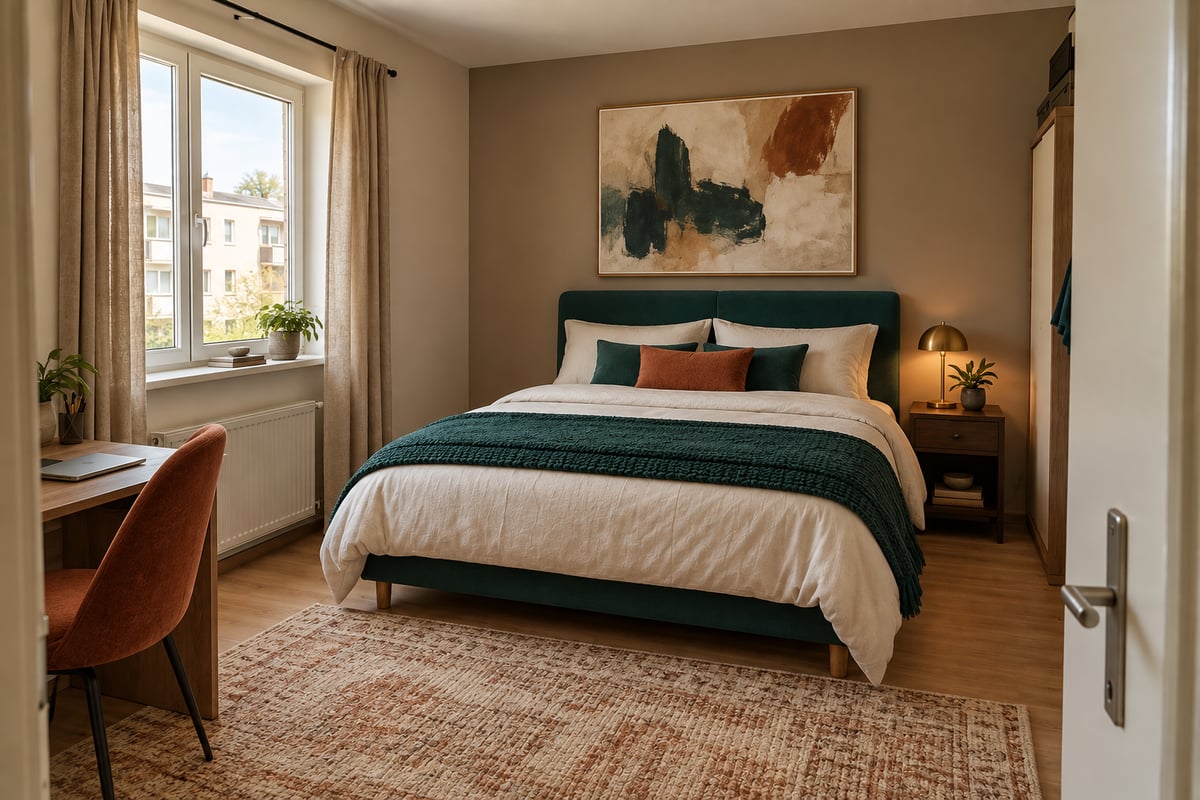
Explore a fresh atmosphere and see this style in your own space.
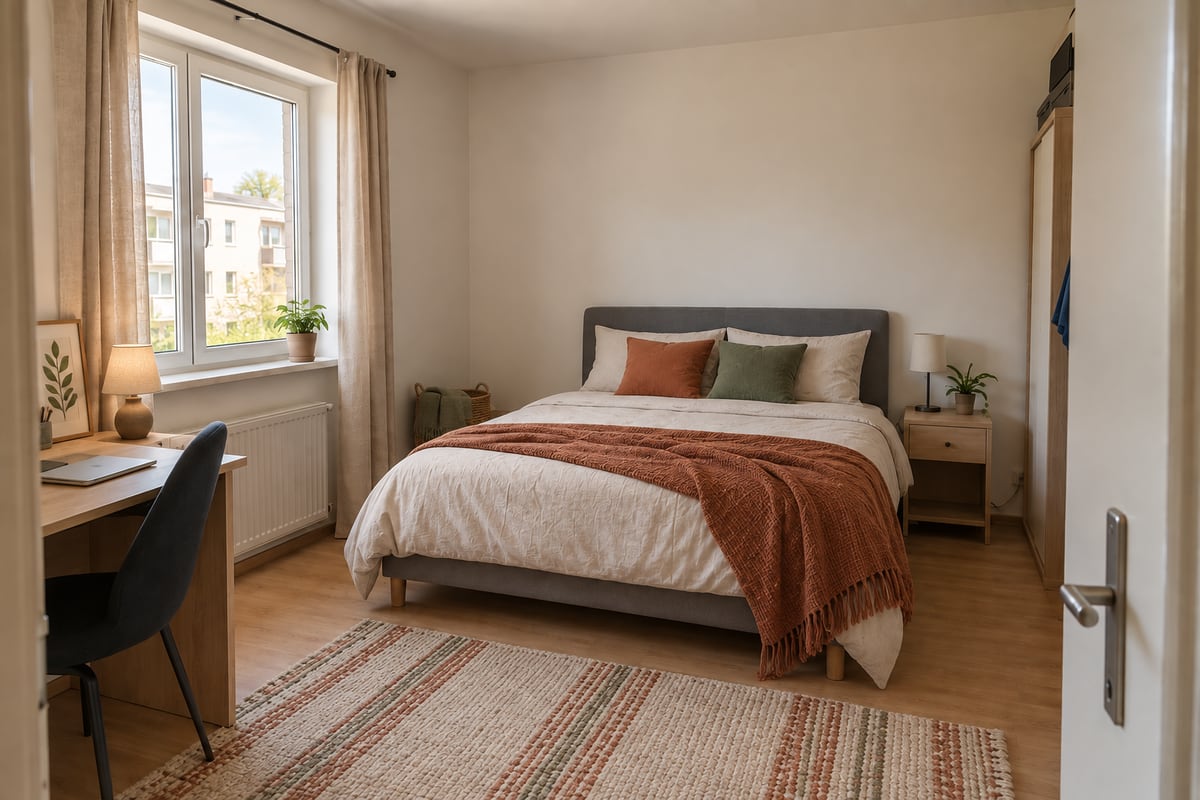
Explore a fresh atmosphere and see this style in your own space.
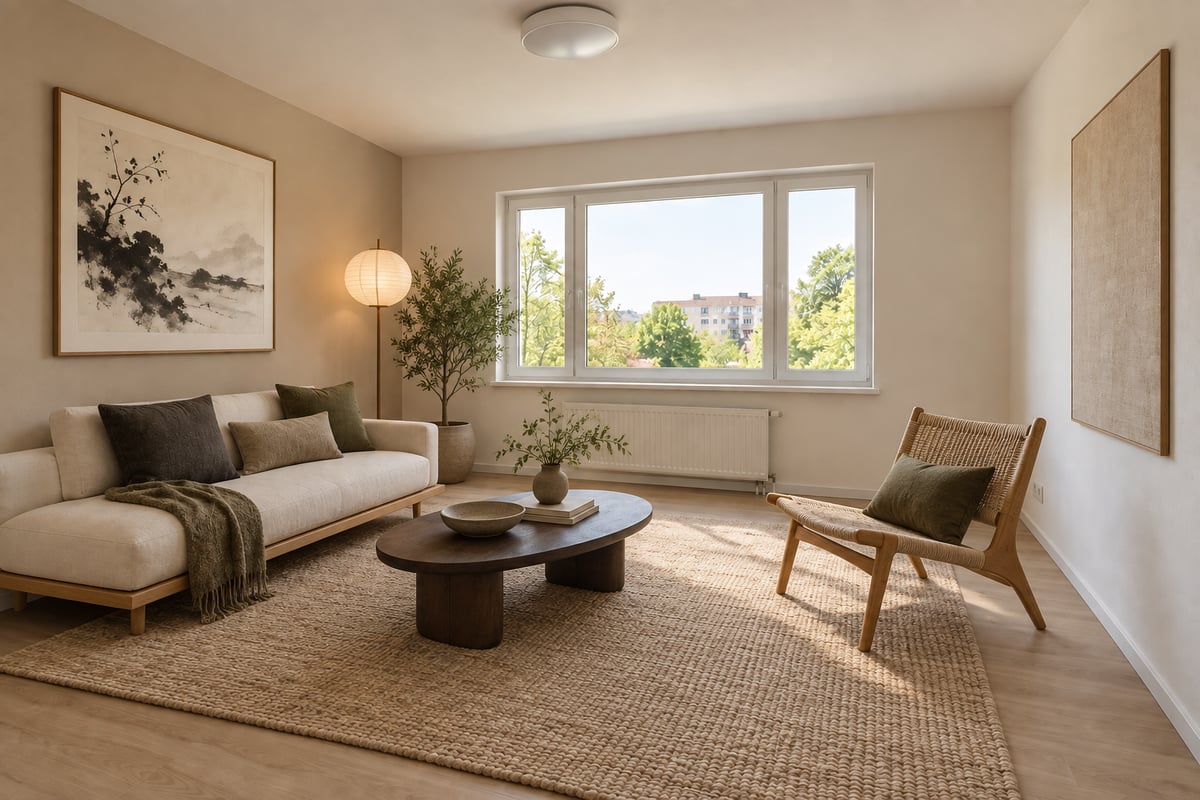
Explore a fresh atmosphere and see this style in your own space.
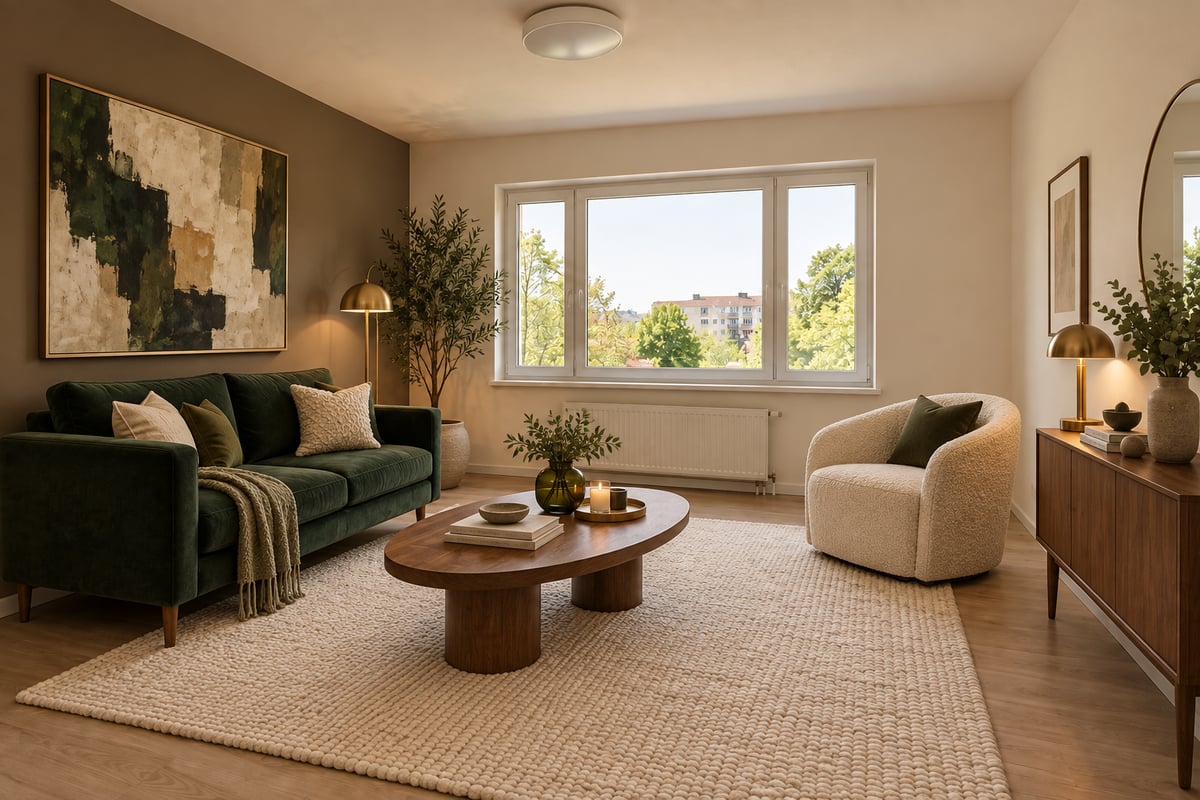
Explore a fresh atmosphere and see this style in your own space.
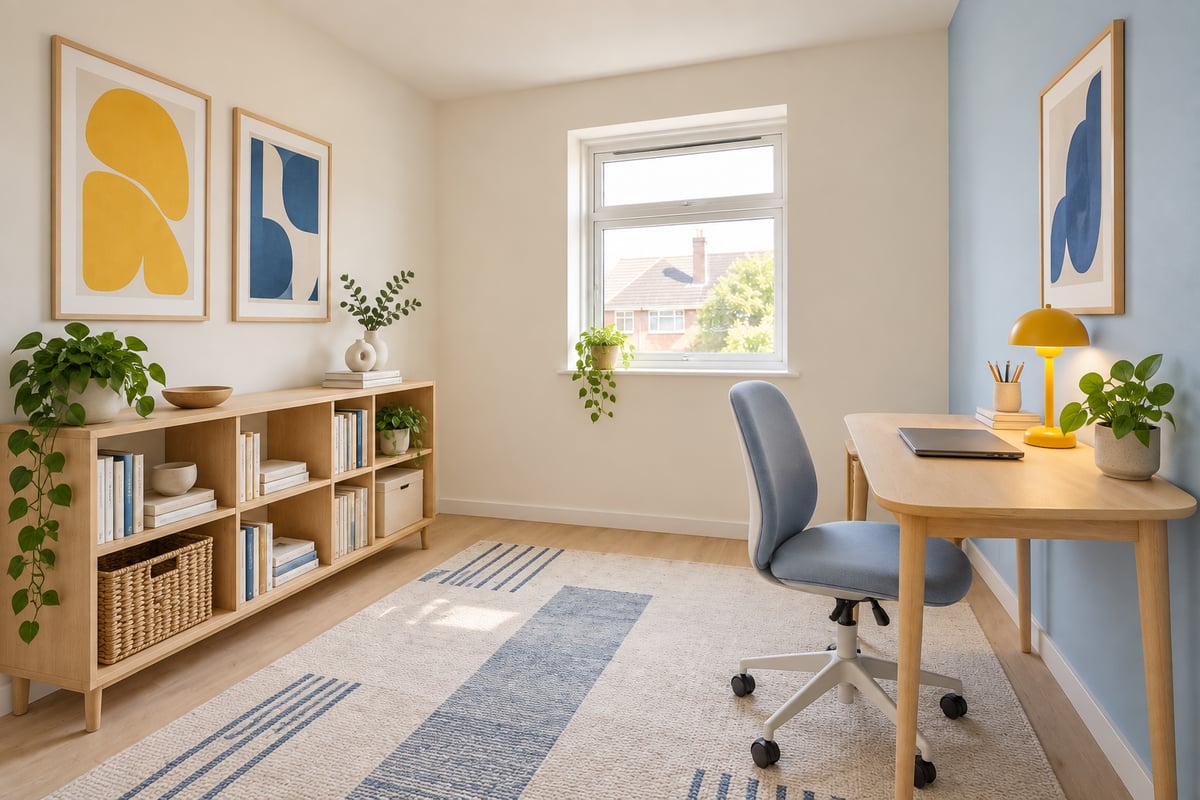
Explore a fresh atmosphere and see this style in your own space.
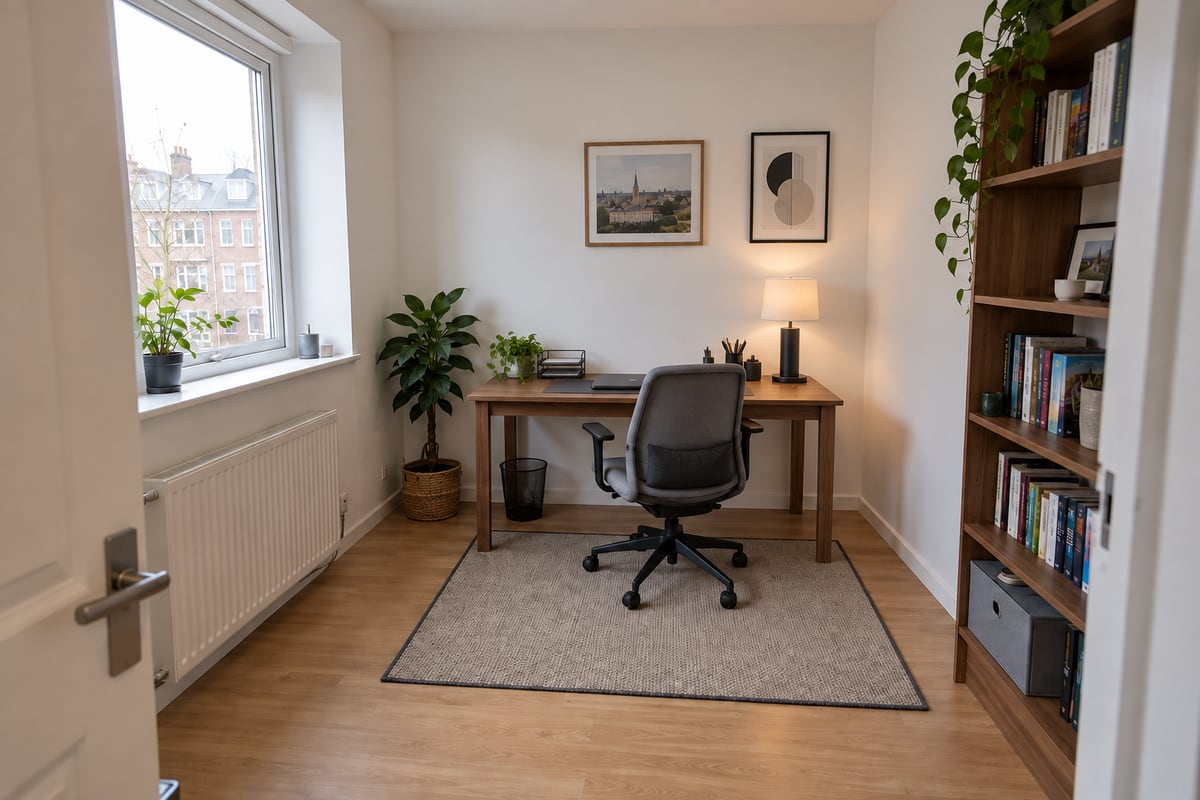
Explore a fresh atmosphere and see this style in your own space.
AI-created demonstration photos, not customer results. Examples illustrate the styling direction; your result depends on your photo.
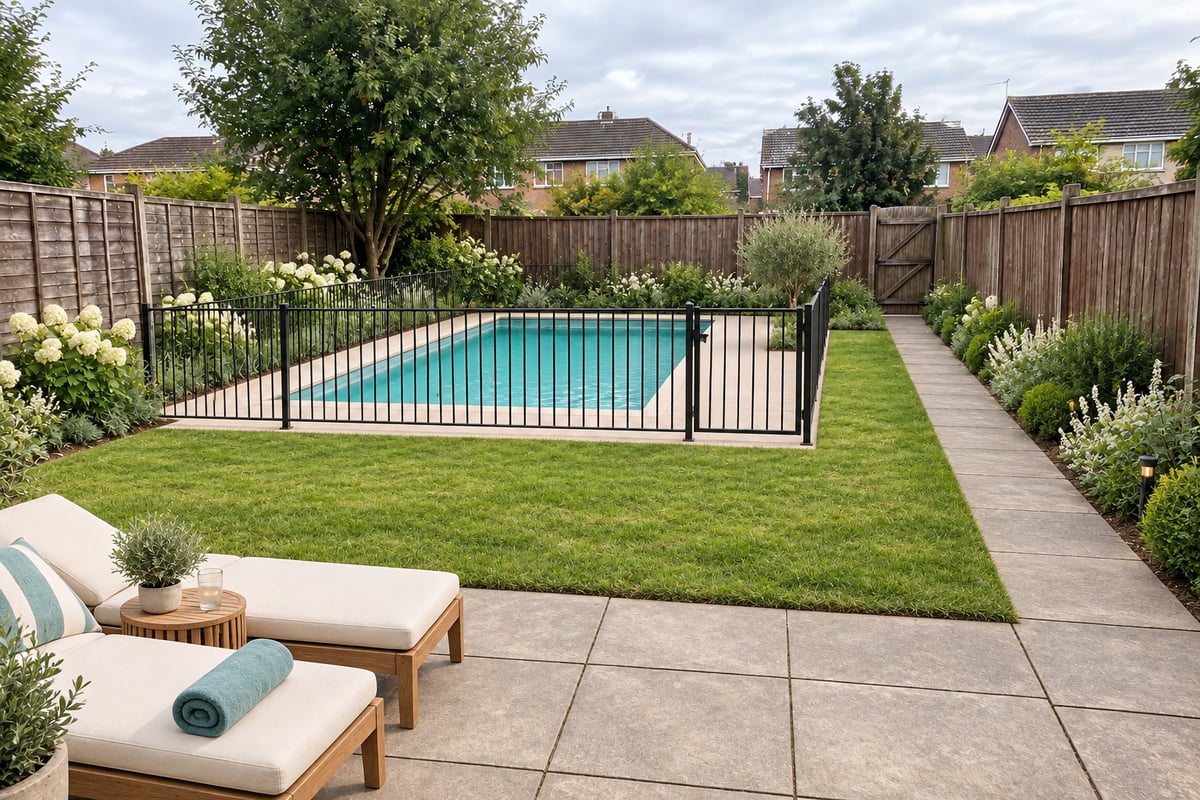
For spacious gardens: a realistically scaled pool, layered planting and a resort-inspired lounge. Concept only.
View template ↗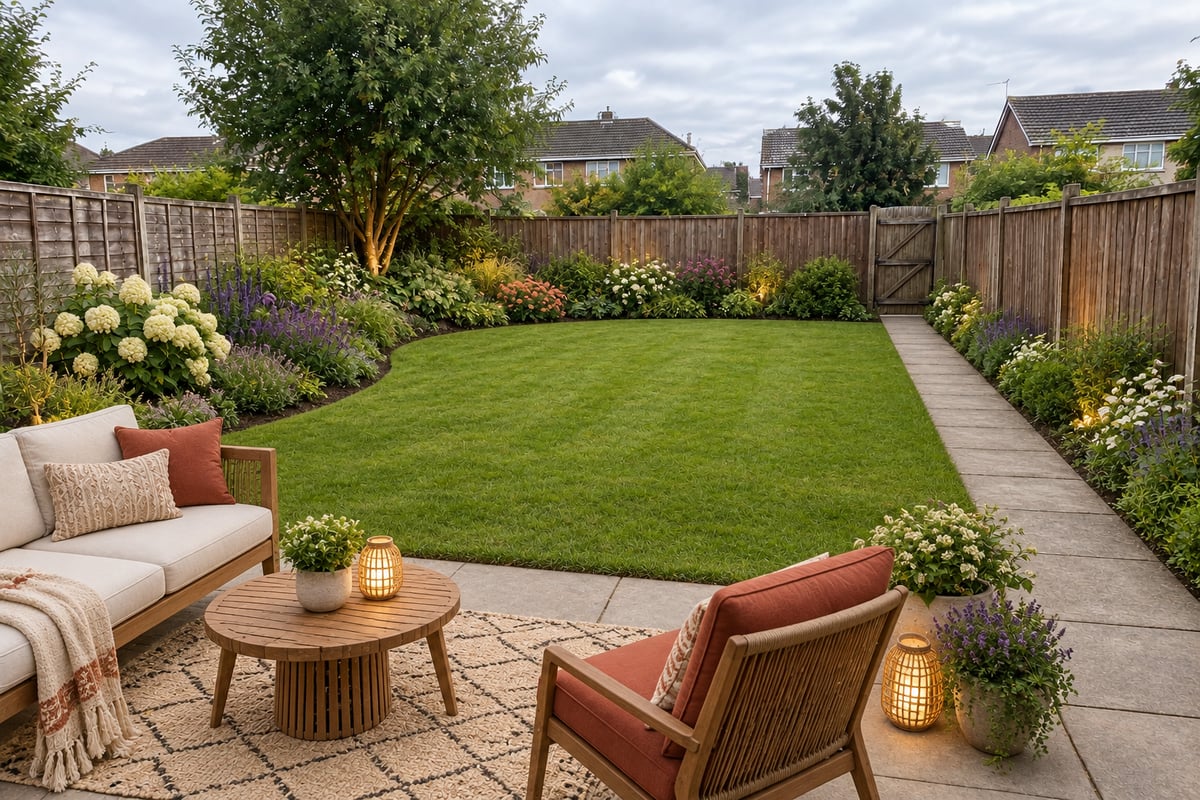
Replace visual weed clutter with a generous green lawn, crisp borders and a welcoming outdoor lounge.
View template ↗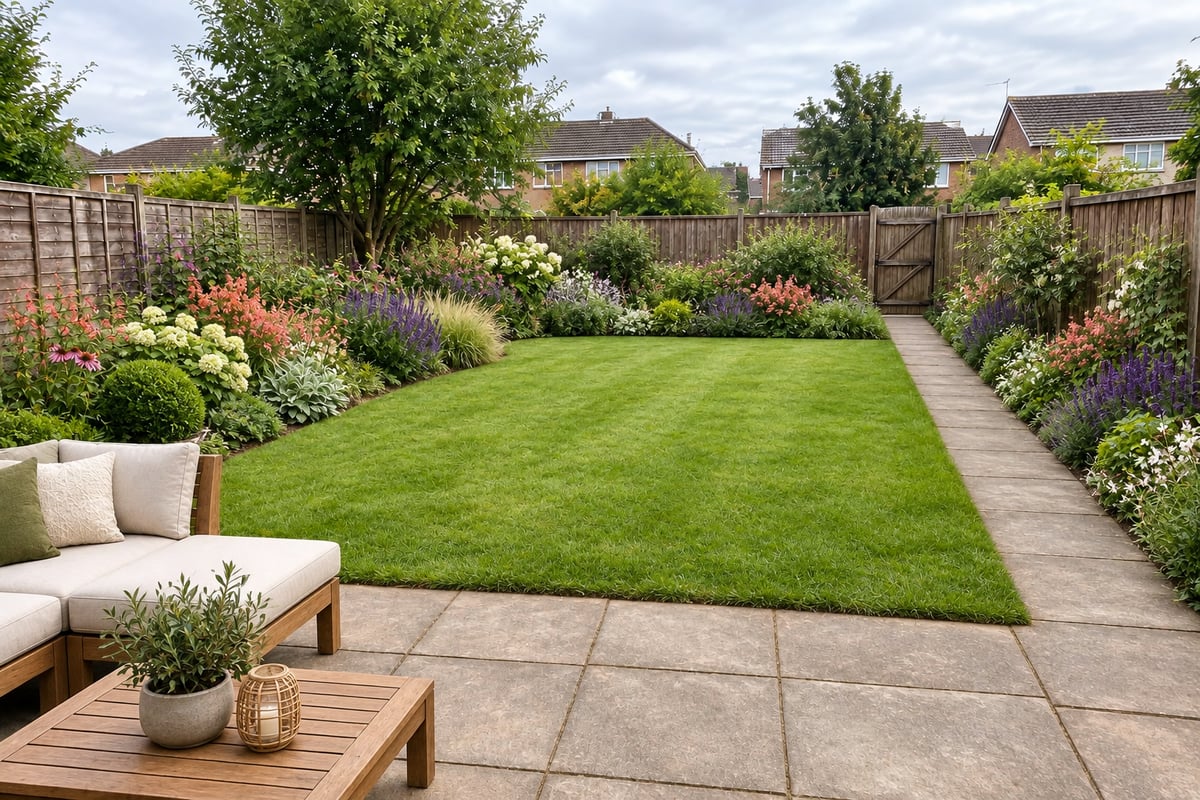
A fresh central lawn, sweeping flower borders and a small seating corner bring a plain garden to life.
View template ↗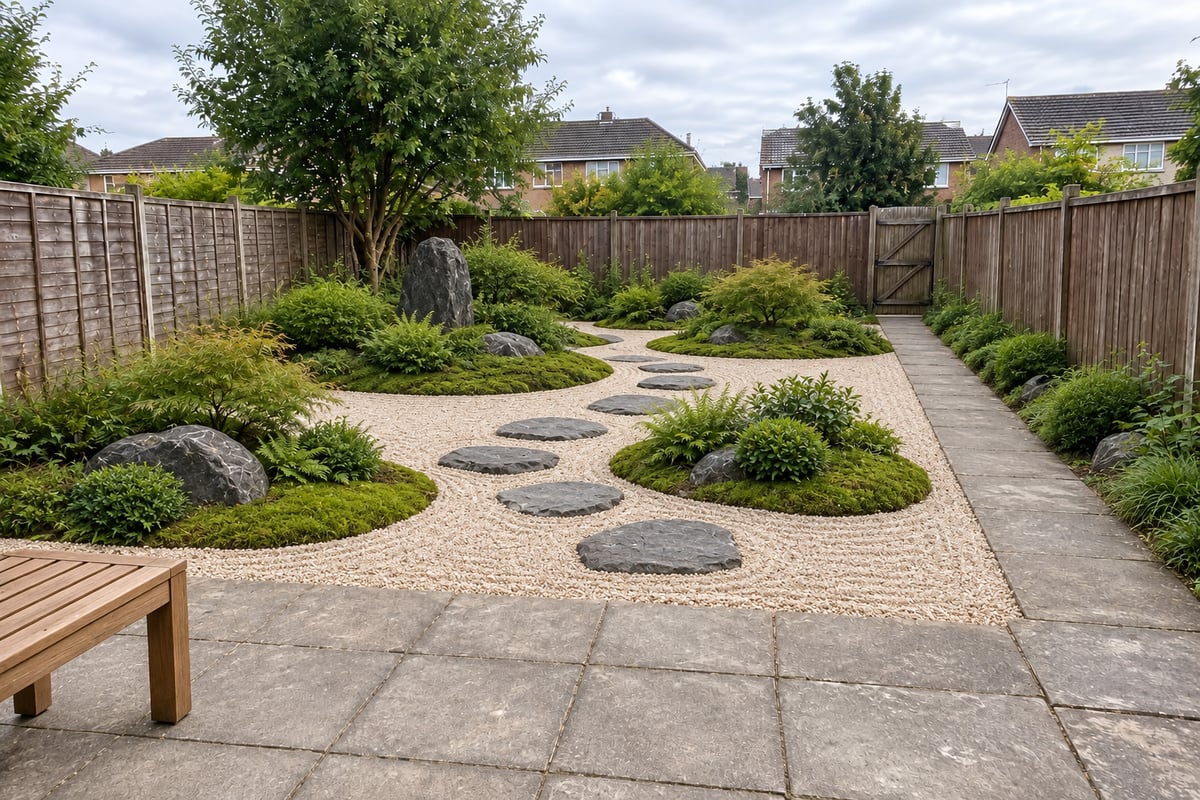
Pale gravel, sculptural stones and layered green planting transform an underused lawn into a quiet garden.
View template ↗TinyForge × Stores
Upload your photo, try on brand favorites, and discover your next look.
Up to 2 free tries per person, per activity, while the free allocation lasts.
Loading…
TinyForge × Stores
Discover home-brand sponsored makeovers. Upload your room photo and try a product-inspired space, up to twice per activity.
Loading…
Organize lecture notes into key ideas, source-linked recall questions, and a separate answer key for printable self-testing.
View template guideTurn lecture notes into a cue-and-explanation table with a short summary and unanswered questions for your next review.
View template guideConnect each recorded exam mistake to a likely cause, a correction step, and a retest check without inventing marks or diagnoses.
View template guideBuild a repeatable practice cycle from recorded mistakes, with correction, recall, mixed practice, and retests across your chosen schedule.
View template guideOrganize meeting notes into decision and action branches, with owners, deadlines, source cues, and unassigned work kept visible.
View template guideSeparate confirmed decisions, proposals, evidence, and open questions in a visual map that keeps meeting approvals and uncertainty distinct.
View template guideUse recall questions for self-testing, a cue table for quick review, an error log for diagnosis, or a practice cycle for repeated checks. For meetings, choose an action map to clarify ownership or an evidence map to separate decisions from proposals.
The previews are illustrative layouts made by TinyForge, not private customer results. Your output follows your input and selected tool; exact pagination and placement can vary.